
Why Oman Is Now India's Most Strategic Trade Partner

Infrastructure Bet Fuels Cement Surge

Apollo FY26: When Healthcare Becomes a Flywheel

NITI Blueprint Could Turn Brain Drain Into $135Bn Engine
Technicals for Wipro Limited



Price Summary
On 2026-06-03, Wipro Limited's stock opened at 208.0, reached a high of 208.4, dropped to a low of 202.0, and closed lower -1.87% at 204.1, with a trading volume of 62142748 shares.The stock's peak price over the last 52 weeks is 272.67, with the lowest being 187.54.
The price outlook for WIPRO is between 170.0 and 255.0, with an average expectation of 209.775, as estimated by 40 analysts.
Technicals
Support and Resistance: The current price of 204.1 for WIPRO is supported at 202.23 and faces resistance at 214.09. These levels indicate that 202.23 could act as a floor, while 214.09 might limit any further price increases.
Aroon: The current state of the AROON is neutral for WIPRO, providing no clear indication of a trend in either direction. This suggests that the market may be lacking momentum, making it difficult to predict future movements.

Bol. Bands: The BOLL BANDS is currently in a neutral position, offering no clear indication of movement up or down. This suggests that the market may be experiencing a period of equilibrium, with no strong trend in play.

Parabolic SAR: The PSAR remains bullish, setting a strong support level that could underpin further upward movement. This persistent bullish outlook suggests that the market may continue its positive trajectory, with the established support acting as a safety net.

Stochastic: The stochastic indicator is in a bullish position, with the K-line above both the D-line and the 80 level. This configuration suggests strong upward momentum, indicating that the market may continue its positive trend. Traders might view this as a sign of ongoing strength in the market.

Tripple Moving Agerage: The alignment of the 20, 50, and 100 moving averages suggests a bullish trend, with their upward slopes further reinforcing this sentiment. This indicates a mildly bullish overall market condition, where gains are expected to be gradual and steady. Investors may interpret this as a sign of a stable, positive trend with moderate gains likely over time for WIPRO.

When evaluating a company's technical indicators like price trends and trading volume, it's important to also assess its fundamentals. Key factors include the company's profitability, growth rate, and financial stability. Furthermore, considering the industry within which the company operates provides additional context, as factors like competition and market demand can affect performance. By combining this analysis, you can make more informed judgments about the company's future prospects.
If you have enjoyed reading, spread the word:
Good prospects:
Companies with the best and the worst fundamentals.
Latest Regulatory Filings for NSE500
Companies with the best and the worst technicals.
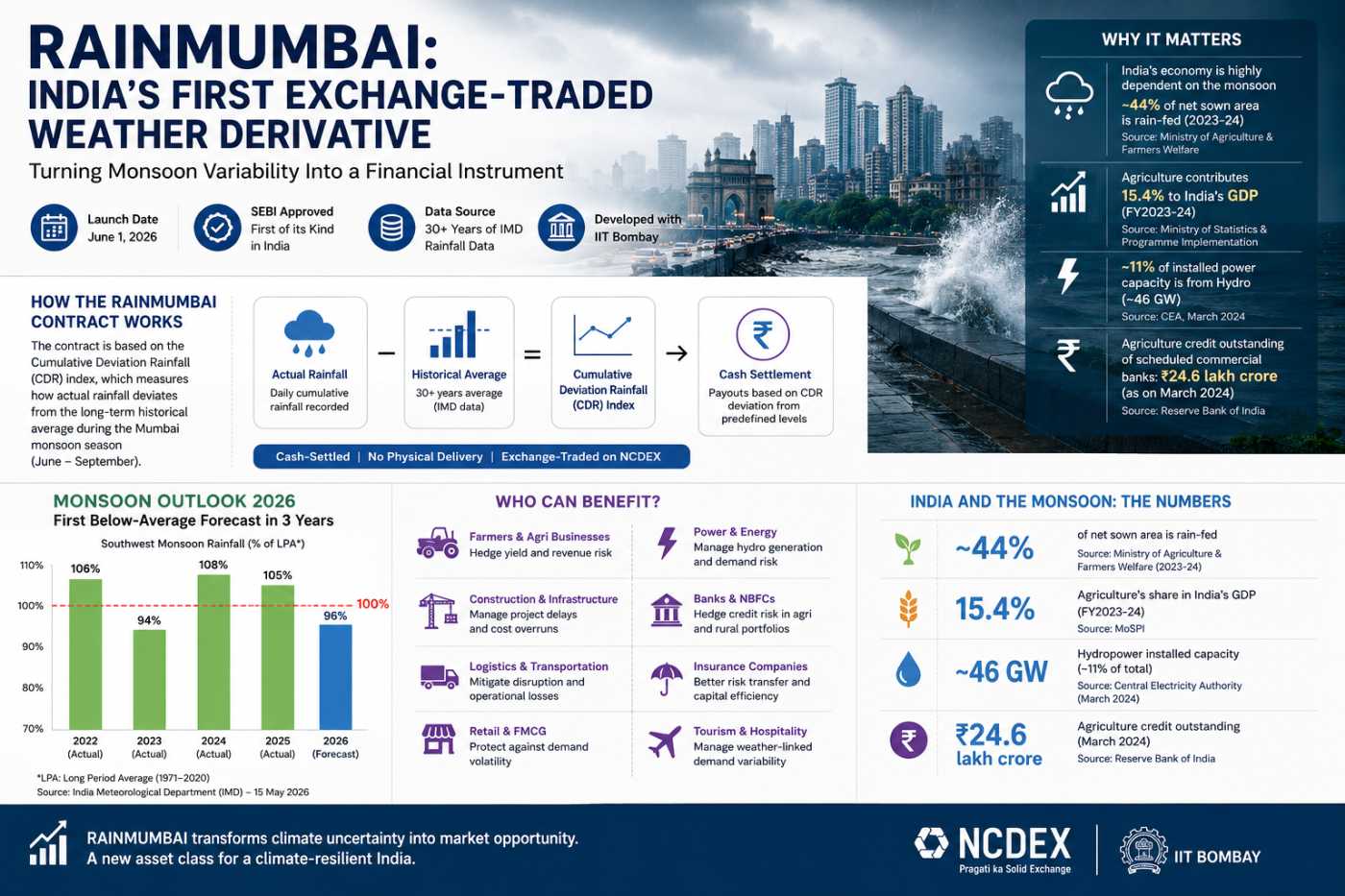
RAINMUMBAI Turns Rain Into a Financial Asset

India’s IT Sector Faces a Historic Breaking Point

How Independent Directors Failed Rs 2,500 Crore in Value