
More about Vardhman Textiles Limited
Fundamentals for Vardhman Textiles Limited
Regulatory Filings for Vardhman Textiles Limited

Apollo FY26: When Healthcare Becomes a Flywheel
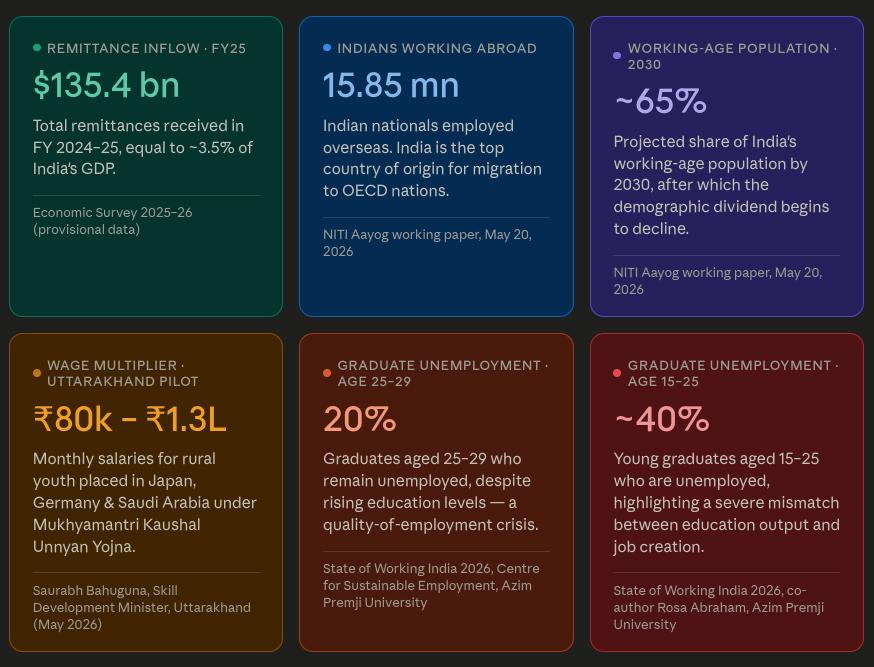
NITI Blueprint Could Turn Brain Drain Into $135Bn Engine
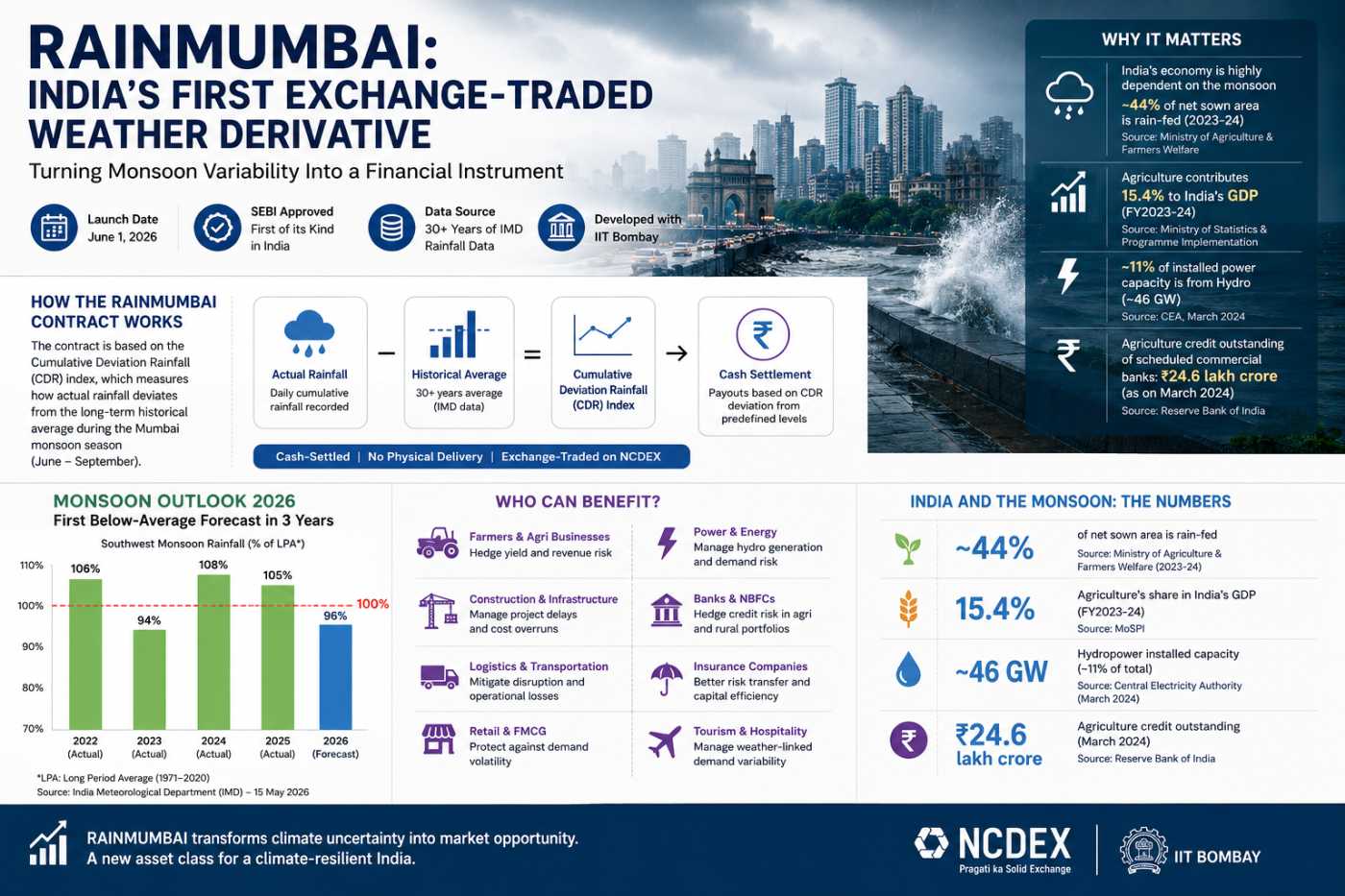
RAINMUMBAI Turns Rain Into a Financial Asset

India’s IT Sector Faces a Historic Breaking Point
Fundamentals for Vardhman Textiles Limited



Business Operations:
Sector: Consumer CyclicalIndustry: Textile Manufacturing
Vardhman Textiles Limited, together with its subsidiaries, manufactures, purchases, and sells textiles and fibres in India and internationally. The company offers yarns, fabrics, acrylic fibers, threads, and garments. It also provides specialized greige and dyed yarns in cotton, polyester, acrylic, viscose, specialized fibers, and various blends; fabrics, such as piece dyed, yarn dyed, printed, fiber blends, weaved, and specialty finishes. In addition, the company is involved in lending and investing activities; and the manufacture and sale of hot rolled bars, and special and alloy steel products, including carbon steel, case hardening steel, through hardening steel, and other products for automotive, engineering, bearing, and allied industries. It also exports its products. The company was formerly known as Mahavir Spinning Mills Limited and changed its name to Vardhman Textiles Limited in September 2006. Vardhman Textiles Limited was founded in 1965 and is based in Ludhiana, India.
Revenue projections:
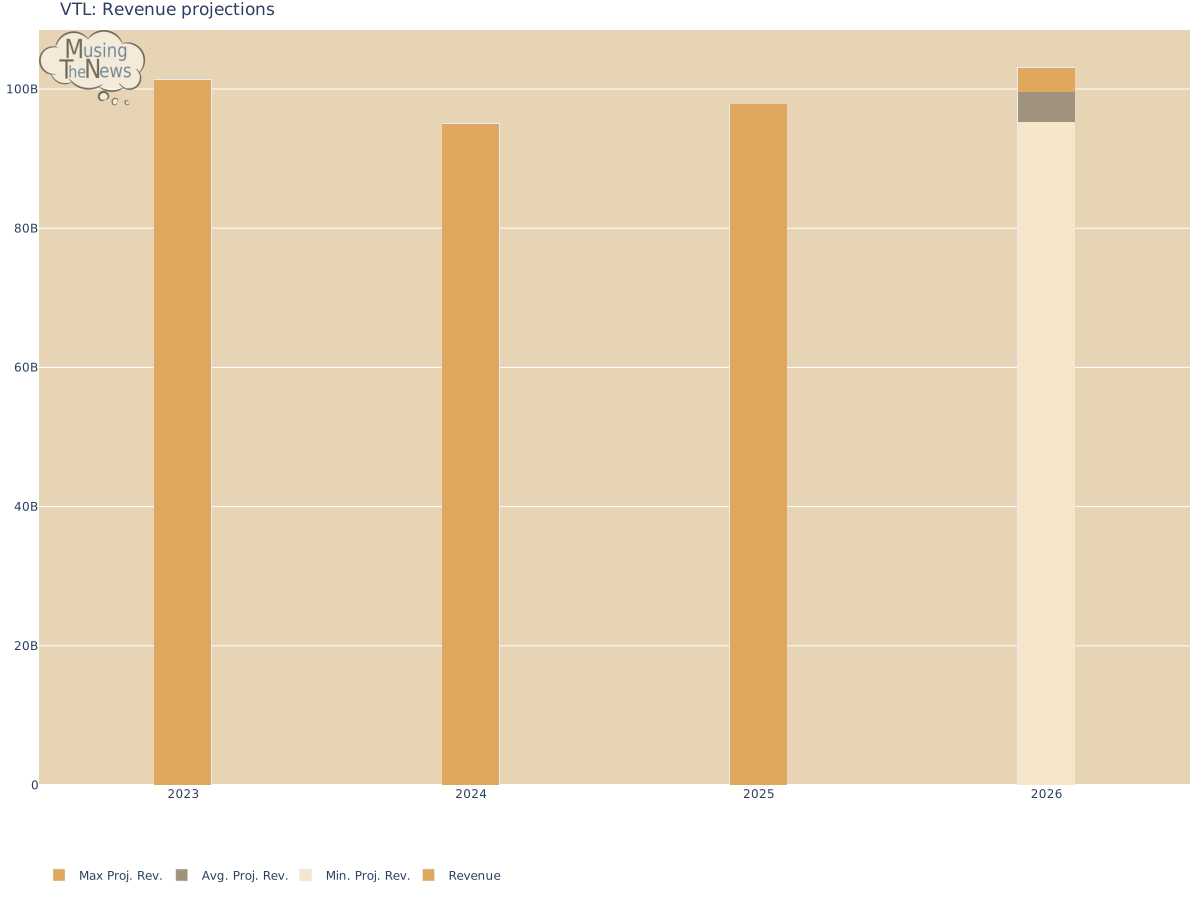
VTL is projected to see lower revenues than in the previous year, a trend that usually concerns investors. Declining revenues often harm a company's profitability, leading investors to exercise caution as they weigh the potential risks of continued financial downturns.
Financial Ratios:
| currentRatio | 4.152000 |
|---|---|
| forwardPE | 13.139895 |
| debtToEquity | 17.520000 |
| earningsGrowth | -0.223000 |
| revenueGrowth | -0.004000 |
| grossMargins | 0.448160 |
| operatingMargins | 0.068650 |
| trailingEps | 26.160000 |
| forwardEps | 45.320000 |
The current ratio for VTL is 4.152, indicating that the company can service its short-term debt using available cash and assets. This suggests VTL has strong liquidity, with more than enough resources to meet its immediate financial commitments.
VTL's Forward PE being in a good range indicates the stock is priced well relative to its earnings. It is not overvalued, leaving space for future growth, making it an appealing option for investors interested in long-term value appreciation.
VTL's low Debt-to-Equity ratio shows the company avoids heavy reliance on debt. This balanced approach reduces financial risk, as it maintains a healthy equity position without excessive leverage, providing greater financial stability and flexibility.
VTL's low earnings and revenue growth suggest that its profits could shrink. This points to a potential downturn in the company's financial outlook and may indicate challenges in maintaining profitability.
VTL's negative gross and operating margins suggest that the company is currently facing financial difficulties, as it is unable to cover production and operational costs. This could result in significant losses if not addressed.
VTL's forward EPS is higher than its trailing EPS, suggesting the company is expected to improve its profitability this financial year. This reflects growing confidence in VTL's earnings potential, with forecasts indicating better financial performance than in the prior year.
Price projections:
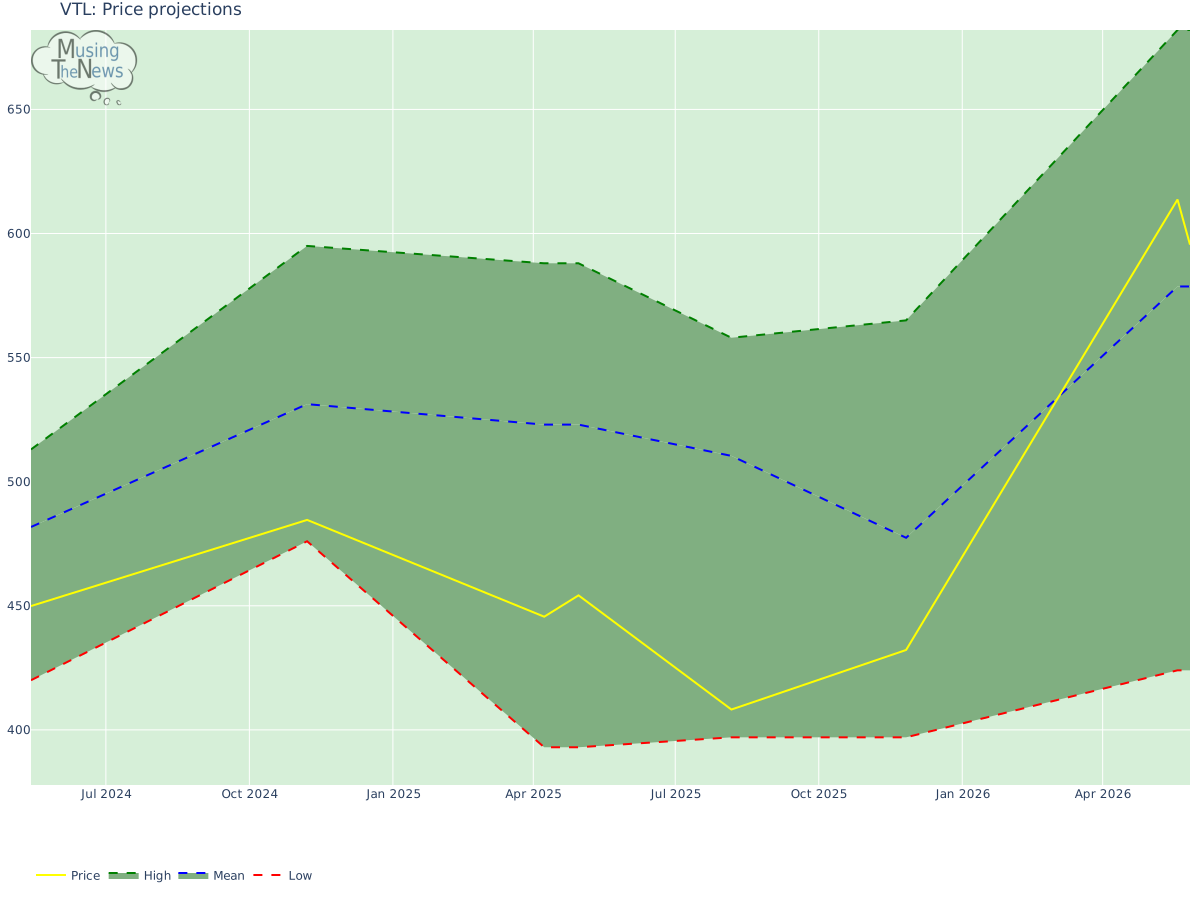
The stock price of Vardhman Textiles Limited has often been near the lower end of projections, indicating that it may not be meeting investor expectations. This trend could suggest challenges ahead for the company.
Recommendation changes over time:
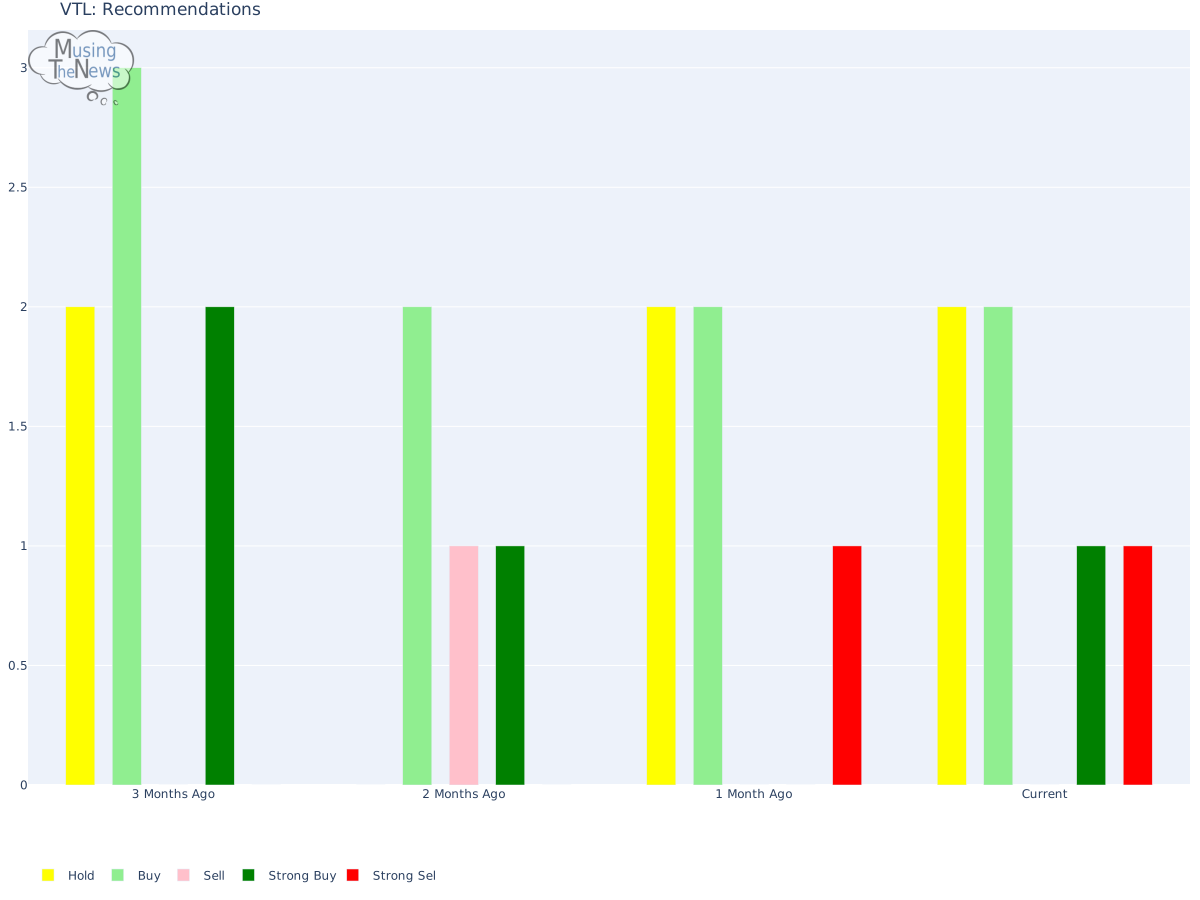
The analysts' recent buy bias for VTL indicates strong confidence in the stock's future performance. This could encourage more investors to view VTL as a worthwhile investment, positioning the company as a top choice for those seeking financial security and long-term growth opportunities.
If you have enjoyed reading, spread the word:
Good prospects:
Companies with the best and the worst fundamentals.
Latest Regulatory Filings for NSE500
Companies with the best and the worst technicals.

How Independent Directors Failed Rs 2,500 Crore in Value
India’s Stock Market May Be Sitting on a Trap

Beyond Sugar: India's Bio-Economy Bets Big on Biofuel