
More about Schaeffler India Limited
Fundamentals for Schaeffler India Limited
Regulatory Filings for Schaeffler India Limited

Why Oman Is Now India's Most Strategic Trade Partner

Infrastructure Bet Fuels Cement Surge

Apollo FY26: When Healthcare Becomes a Flywheel
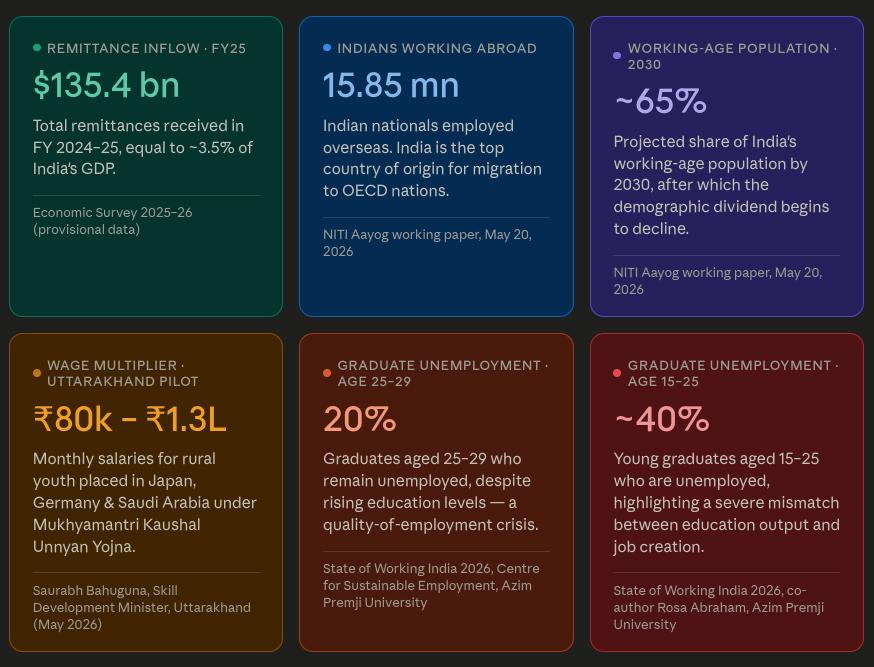
NITI Blueprint Could Turn Brain Drain Into $135Bn Engine
Technicals for Schaeffler India Limited



Price Summary
On 2026-06-03, Schaeffler India Limited's stock opened at 4072.0, peaked at 4118.3, hit a low of 4002.0, and closed -0.54% down at 4049.9, with 310410 shares changing hands.The stock's peak price over the last 52 weeks is 4357.2, with the lowest being 3563.3.
Technicals
Support and Resistance: The price sits at 4049.9, supported by 3928.2 and resisted by 4134.3. This indicates a trading range where 3928.2 provides a floor, preventing declines, and 4134.3 acts as a ceiling, limiting further price increases for SCHAEFFLER.
Aroon: The AROON is in a neutral stance, with no clear direction indicated for the market. This lack of clarity suggests that the market may be in a state of equilibrium for SCHAEFFLER, with no strong trend emerging.

Bol. Bands: The BOLL BANDS is currently neutral, offering no clear guidance on market direction. This suggests that the market may be in a state of pause, with no strong trend emerging.

Parabolic SAR: The PSAR remains bullish in its outlook, establishing a key support level that could serve as a foundation for further upward movement. This persistent bullish stance suggests that the market may continue to trend higher, with the established support providing a potential safety net for investors.

Stochastic: The current state of the STOCHASTIC is neutral, providing no clear signals for either an upward or downward movement. This indicates that the market may be in a state of equilibrium, with no strong momentum in either direction.

Tripple Moving Agerage: The current state of the Tripple MOVING AVG is neutral, providing no clear signals for either an upward or downward movement. This indicates that the market may be in a state of equilibrium, with no strong momentum in either direction.

A thorough analysis of a company involves looking at both its fundamentals and technical data. The fundamentals, including revenue, profitability, and management quality, offer insight into the company's long-term value. Additionally, understanding the broader industry context, such as market competition and regulatory challenges, helps to better interpret the company's stock performance. By combining both fundamental and technical analysis, you can derive more meaningful inferences about the company's future prospects.
If you have enjoyed reading, spread the word:
Good prospects:
Companies with the best and the worst fundamentals.
Latest Regulatory Filings for NSE500
Companies with the best and the worst technicals.
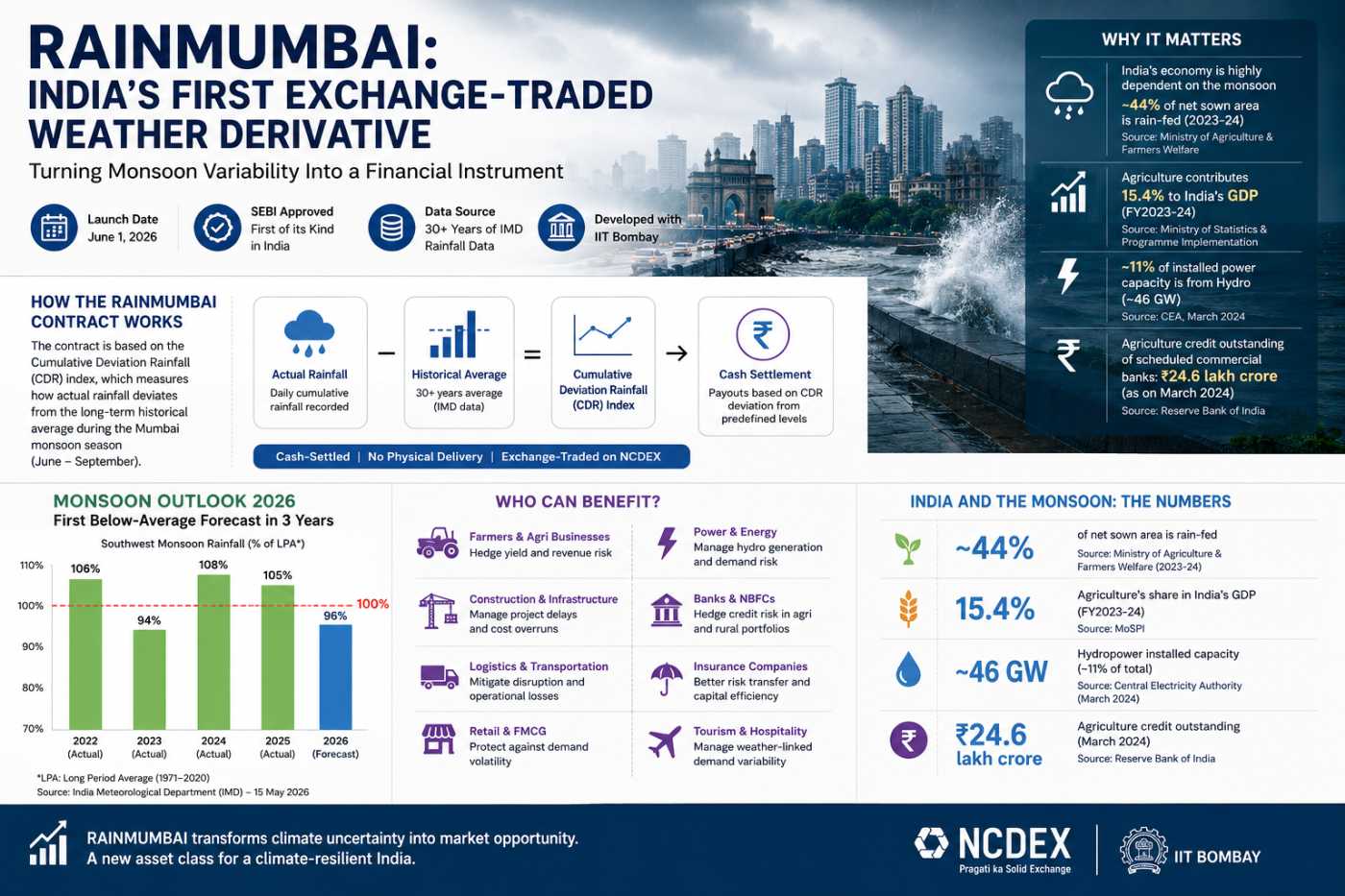
RAINMUMBAI Turns Rain Into a Financial Asset

India’s IT Sector Faces a Historic Breaking Point

How Independent Directors Failed Rs 2,500 Crore in Value