
More about SBI Life Insurance Company Limited
Fundamentals for SBI Life Insurance Company Limited
Regulatory Filings for SBI Life Insurance Company Limited

Apollo FY26: When Healthcare Becomes a Flywheel
NITI Blueprint Could Turn Brain Drain Into $135Bn Engine
RAINMUMBAI Turns Rain Into a Financial Asset

India’s IT Sector Faces a Historic Breaking Point
Fundamentals for SBI Life Insurance Company Limited



Business Operations:
Sector: Financial ServicesIndustry: Insurance - Life
SBI Life Insurance Company Limited operates as a private life insurance company in India. The company's life insurance business comprising individual and group life insurance products, including participating, non-participating, pension, group gratuity, group leave encashment, group superannuation, individual and group immediate annuity, unit-linked and variable insurance products, health, and micro insurance. It also provides accident and disability benefit, level term, and critical illness insurance products. The company offers its products through a multi-channel distribution network comprising individual agents, brokers, corporate agents, bancassurance partners, as well as certified insurance facilitators. It operates various partner branches. The company was incorporated in 2000 and is based in Mumbai, India. SBI Life Insurance Company Limited operates as a subsidiary of State Bank of India.
Revenue projections:
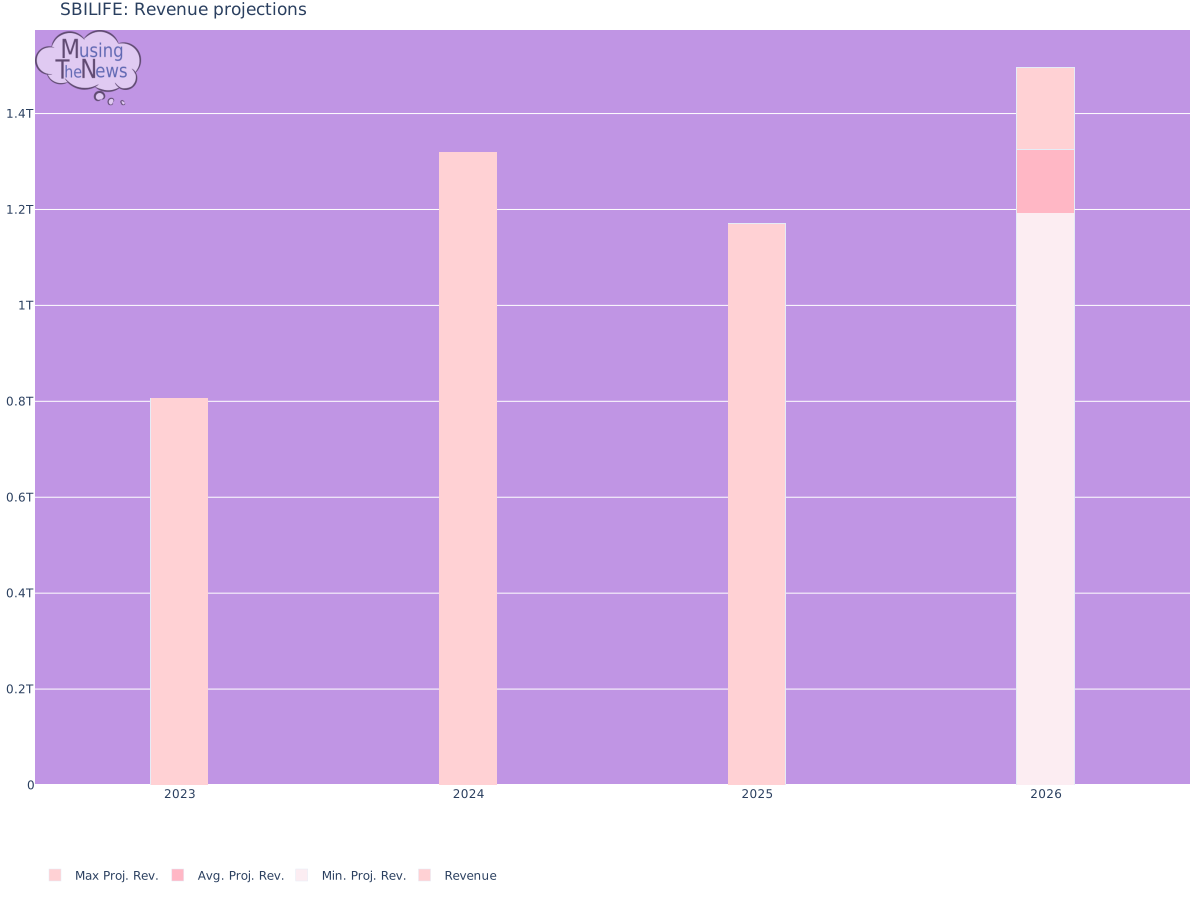
SBI Life Insurance Company Limited's revenue is projected to decrease from last year, a development that could lead investors to adopt a more cautious approach. A revenue decline can negatively affect profitability, signaling challenges for the company and making it less attractive for those seeking solid financial performance.
Financial Ratios:
| currentRatio | 1.550000 |
|---|---|
| forwardPE | 53.843525 |
| debtToEquity | 0.000000 |
| earningsGrowth | -0.011000 |
| revenueGrowth | -0.822000 |
| grossMargins | 0.083750 |
| operatingMargins | 0.211720 |
| trailingEps | 24.670000 |
| forwardEps | 34.628120 |
SBILIFE's current ratio of 1.55 highlights the company's solid liquidity, indicating that it can easily service its short-term debt. SBILIFE's ample cash reserves and current assets ensure that the company is well-positioned to meet its immediate financial liabilities.
SBI Life Insurance Company Limited's forward PE ratio is too high, which may hinder future price growth and increase the risk of a price correction. Investors should carefully evaluate this metric along with other key financial indicators to get a full picture of the stock's potential.
SBILIFE's low earnings and revenue growth suggest shrinking profits. This negative trend could indicate that the company is struggling to maintain its financial performance and may face challenges ahead.
SBILIFE's negative gross and operating margins indicate that the company is currently unprofitable at both the production and operational levels. This suggests significant challenges in managing costs and generating revenue, which could impact its overall financial health.
With a forward EPS greater than its trailing EPS, SBILIFE is forecasted to be more profitable this year than last. This growth expectation reflects confidence in the company's earnings potential and suggests an improving financial trajectory for the year ahead.
Price projections:
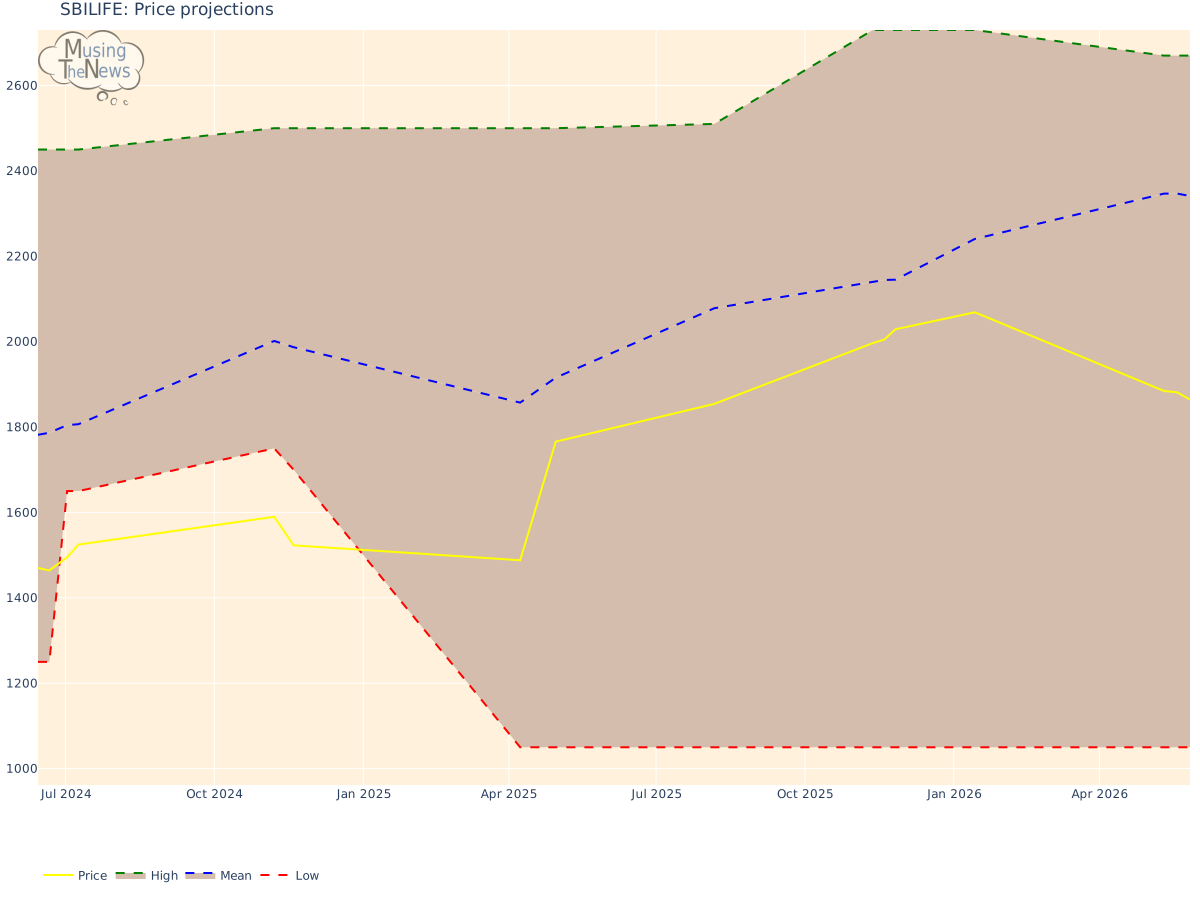
The price of SBILIFE has remained consistently close to the lower limit of projections. This ongoing pattern raises concerns about the stock's performance and may reflect market hesitance regarding the company's growth prospects.
Recommendation changes over time:
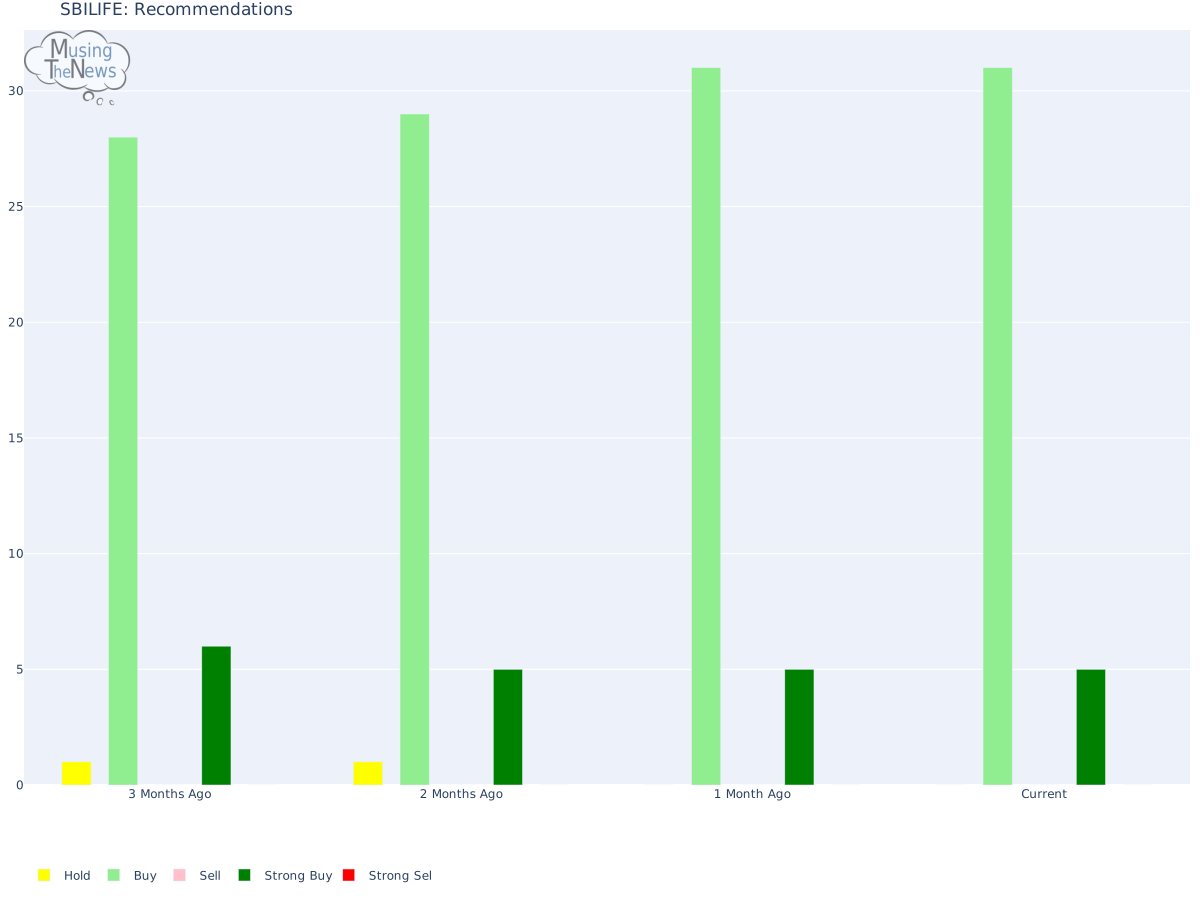
Analysts have shown a buy bias for SBILIFE, signaling it as a strong investment choice. This positive outlook could motivate investors to allocate funds to SBILIFE, seeing it as a reliable and potentially profitable option, especially in an environment where the stock market is highly scrutinized.
If you have enjoyed reading, spread the word:
Good prospects:
Companies with the best and the worst fundamentals.
Latest Regulatory Filings for NSE500
Companies with the best and the worst technicals.

How Independent Directors Failed Rs 2,500 Crore in Value
India’s Stock Market May Be Sitting on a Trap

Beyond Sugar: India's Bio-Economy Bets Big on Biofuel