More about SBI Cards and Payment Services Limited
Fundamentals for SBI Cards and Payment Services Limited
Regulatory Filings for SBI Cards and Payment Services Limited

Why Oman Is Now India's Most Strategic Trade Partner

Infrastructure Bet Fuels Cement Surge

Apollo FY26: When Healthcare Becomes a Flywheel
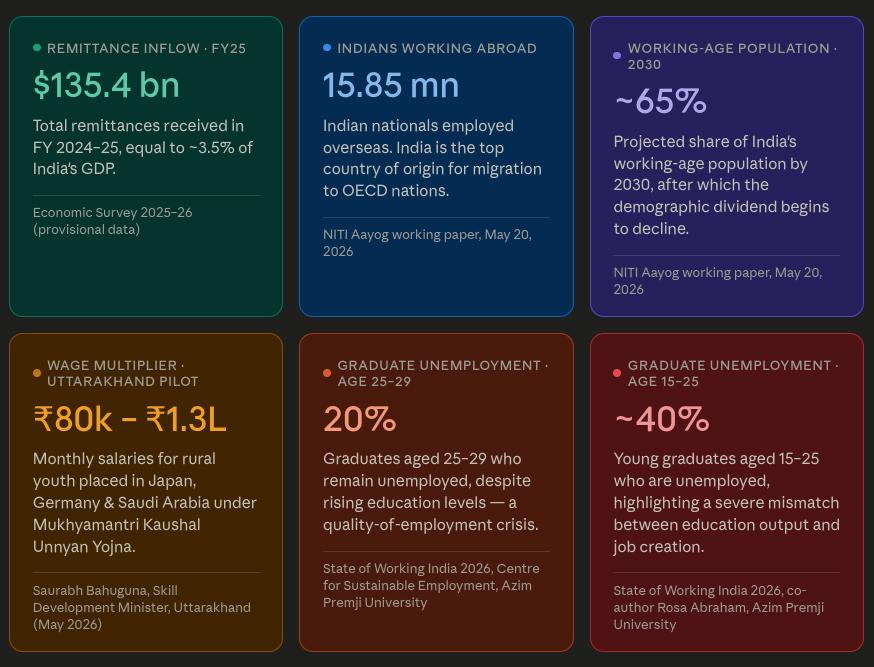
NITI Blueprint Could Turn Brain Drain Into $135Bn Engine
Technicals for SBI Cards and Payment Services Limited



Price Summary
On 2026-06-03, SBI Cards and Payment Services Limited's shares started at 608.0, peaked at 608.0, bottomed out at 594.45, and ended -1.88% lower at 596.55, with 1150762 shares traded.The stock's peak price over the last 52 weeks is 1017.0, with the lowest being 596.55.
Technicals
Aroon: The Aroon indicator signals a continued bearish trend, with Aroon Down holding steady at the 100 level. This ongoing downward pressure requires further exploration with additional indicators to understand its broader implications.

Bol. Bands: The current price has moved under the lower Bollinger Band, signaling a potential oversold state. This decline indicates that selling pressure has driven prices below what is typically considered a lower boundary. The breach could suggest a continuation of the bearish trend, but it also might signal an upcoming reversal if buyers begin to see value at these lower levels for SBICARD.

Parabolic SAR: The PSAR for SBICARD continues to signal a bearish stance, reinforcing a resistance level that could restrict upward movement. This resistance suggests that the market may remain under bearish pressure, with limited potential for breaking higher.

Stochastic: The Stochastic K-line has moved below both the D-line and the 20 level, reflecting a mildly bearish signal for SBICARD. This suggests that the market might encounter some downward pressure, but the overall bearish tone is moderate. Traders should remain observant for any further indications of a downturn.

Tripple Moving Agerage: A bullish trend is indicated by the alignment of the 20-50-100 period moving averages for SBICARD, but this strength is tempered by the slopes of the faster averages, which hint at a possible reversal. The overall trend remains positive, yet the weakening signals from the shorter-term averages suggest that a change in direction may be imminent.

When evaluating a company's technical data, such as stock price charts or volume, it is essential to first consider its fundamentals. These fundamentals include financial stability, growth potential, and competitive advantages. Additionally, understanding the broader industry in which the company operates offers context that helps to make sense of technical patterns. By examining both the company's internal strengths and external environment, one can make more accurate and meaningful conclusions about its stock performance.
If you have enjoyed reading, spread the word:
Good prospects:
Companies with the best and the worst fundamentals.
Latest Regulatory Filings for NSE500
Companies with the best and the worst technicals.
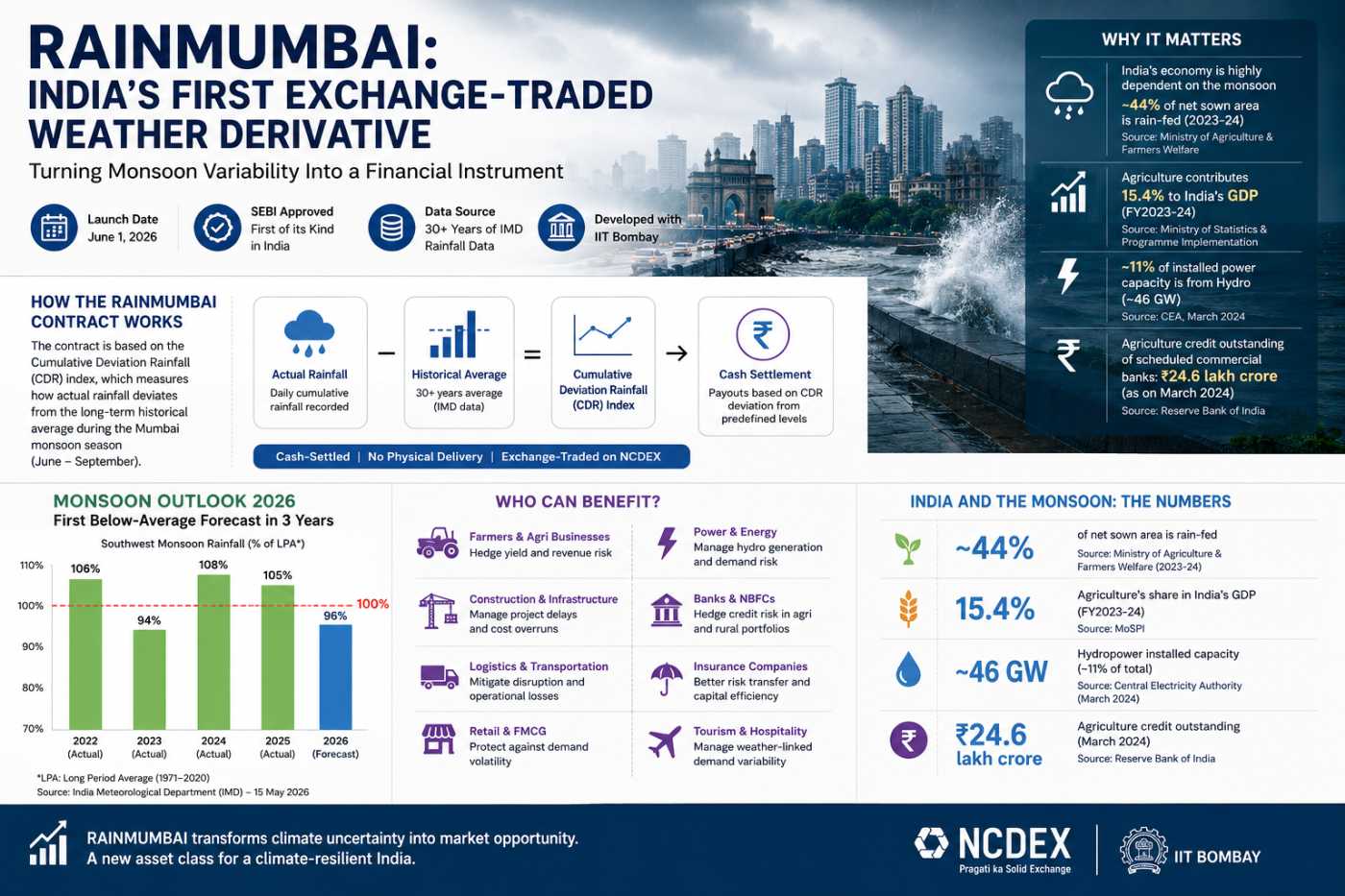
RAINMUMBAI Turns Rain Into a Financial Asset

India’s IT Sector Faces a Historic Breaking Point

How Independent Directors Failed Rs 2,500 Crore in Value