
More about Sanofi India Limited
Fundamentals for Sanofi India Limited
Regulatory Filings for Sanofi India Limited

IndiGo Implements Steep Fuel Surcharge as Iran Conflict Sends Jet Fuel Costs Soaring

The RBI's New Forex Fortress: Defensive Maneuvers in an Era of Oil Shocks

India's Fiscal Milestone: GST Collections Breach ₹2 Lakh Crore Mark for the First Time

AI Disruption Accelerates: Oracle Layoffs Raise Alarms for India’s Tech Workforce
Technicals for Sanofi India Limited



Price Summary
On 2026-04-09, Sanofi India Limited's stock opened at 3448.9, peaked at 3479.2, hit a low of 3378.3, and closed 0.42% higher at 3463.5, with 47174 shares changing hands.In the past year, the highest stock price was 6569.5, and the lowest was 0.0.
SANOFI's future price is expected to lie between 4800.0 and 6800.0, with an average expectation of 5937.6665, as per the recommendations of 3 analysts.
Technicals
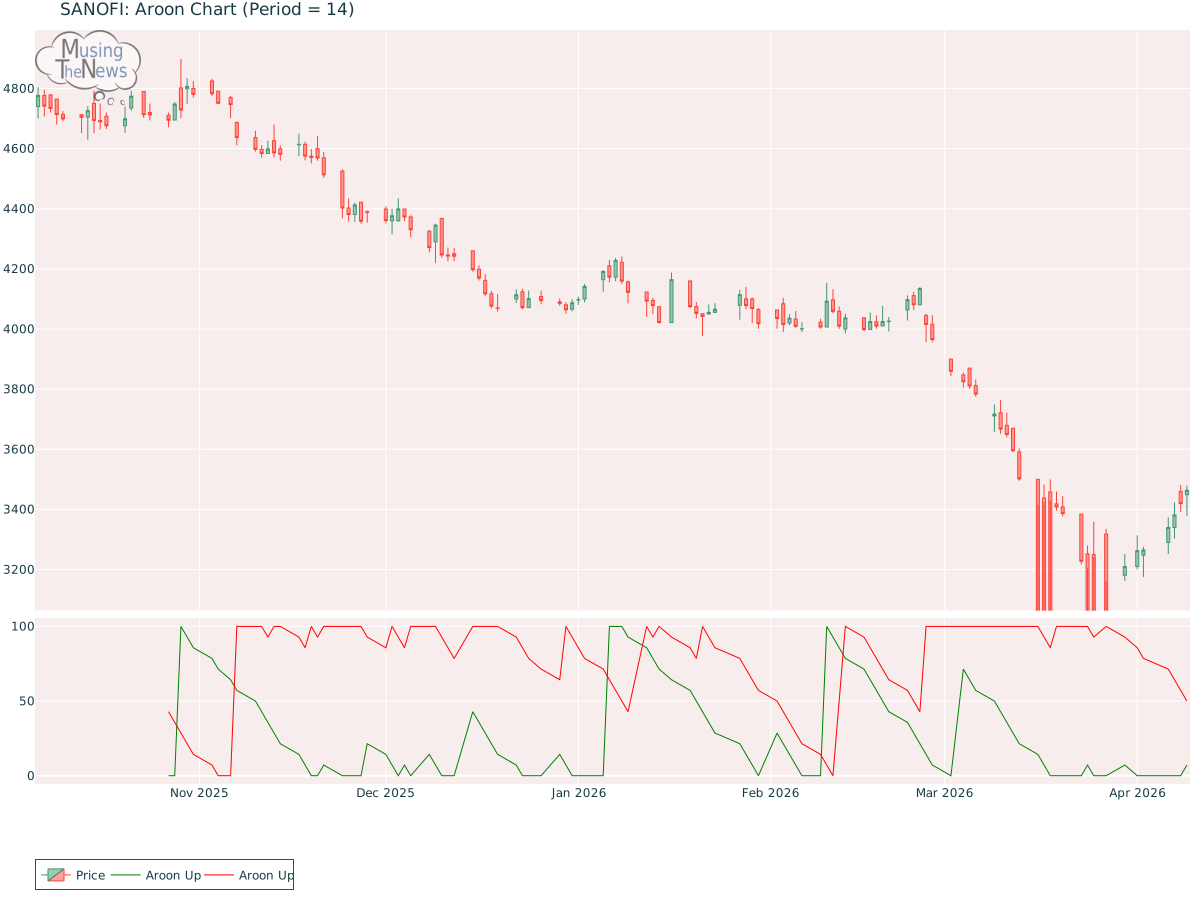
Aroon: The current reading of the AROON is neutral for SANOFI, with no clear signals for an upward or downward trend. This indicates that the market may be in a state of uncertainty, with no dominant force driving the direction.
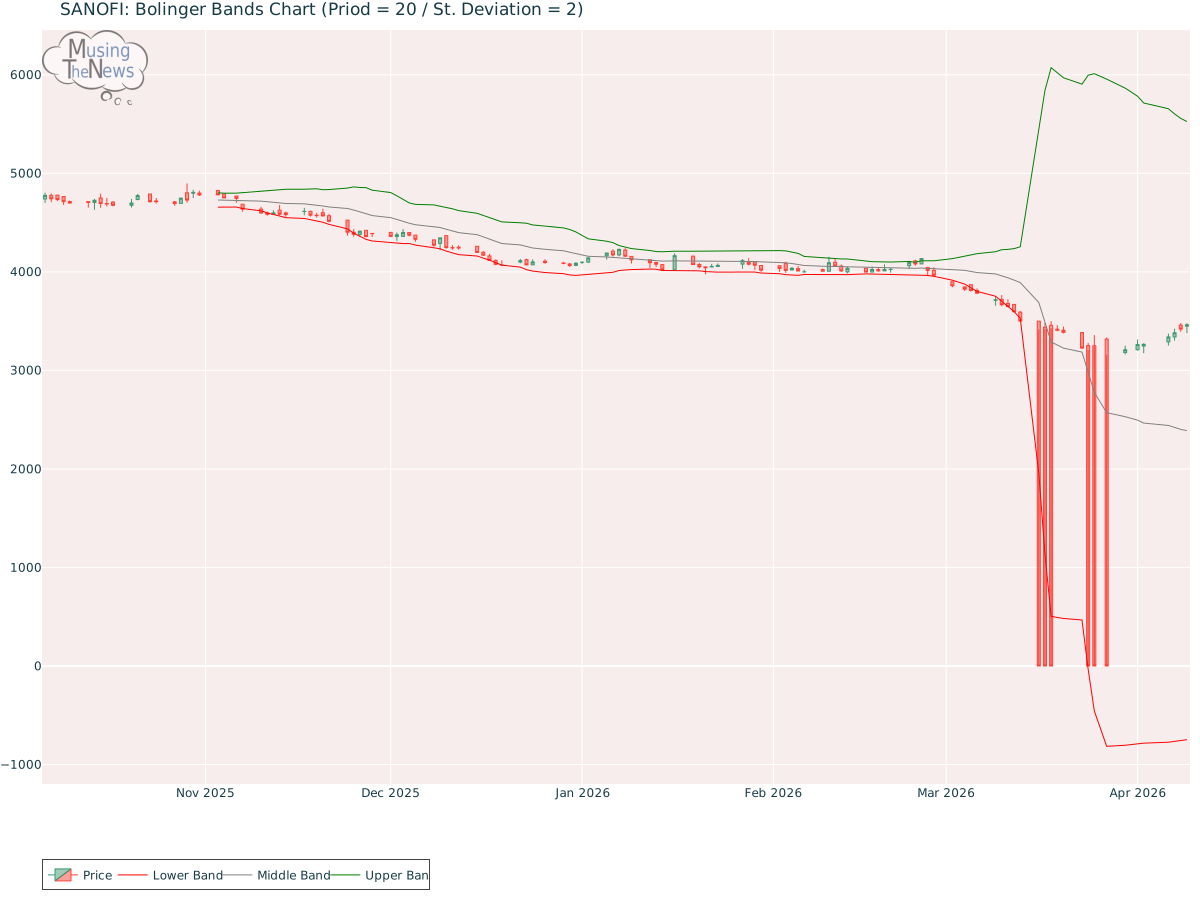
Bol. Bands: The BOLL BANDS is in a neutral stance, with no clear signals for movement up or down. This neutral position indicates a potential period of consolidation or uncertainty in the market.
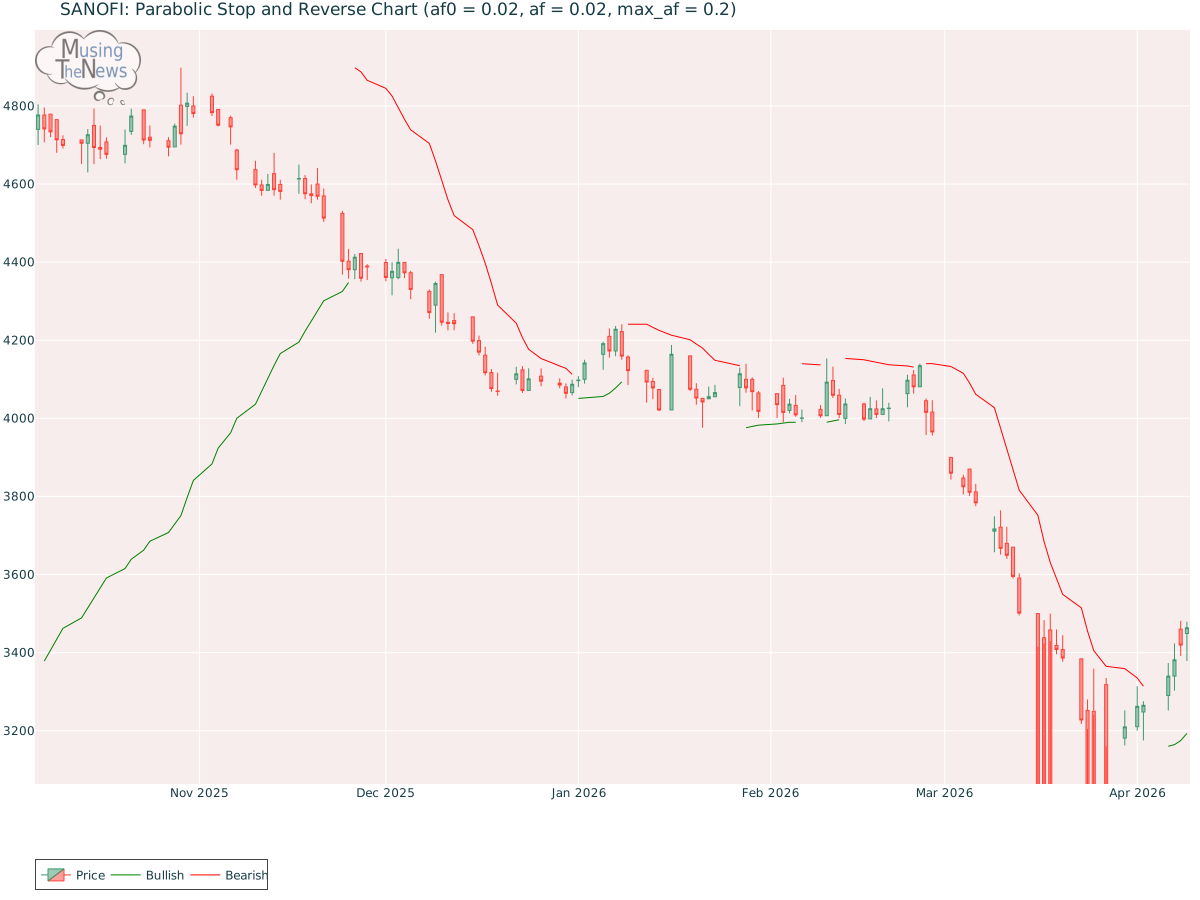
Parabolic SAR: The PSAR remains bullish in its outlook, establishing a key support level that could serve as a foundation for further upward movement. This persistent bullish stance suggests that the market may continue to trend higher, with the established support providing a potential safety net for investors.
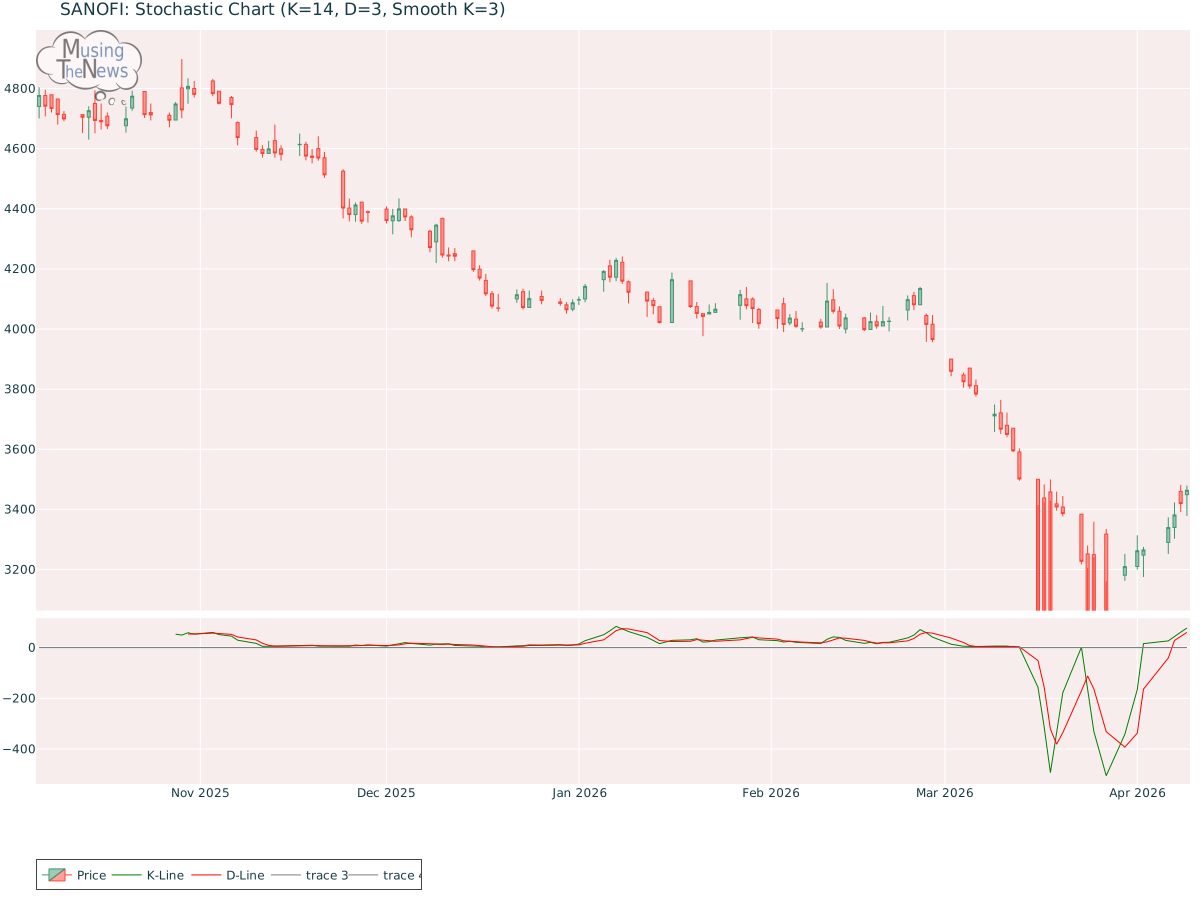
Stochastic: The STOCHASTIC is currently neutral, offering no clear guidance on market direction. This suggests that the market may be in a state of pause, with no strong trend emerging.
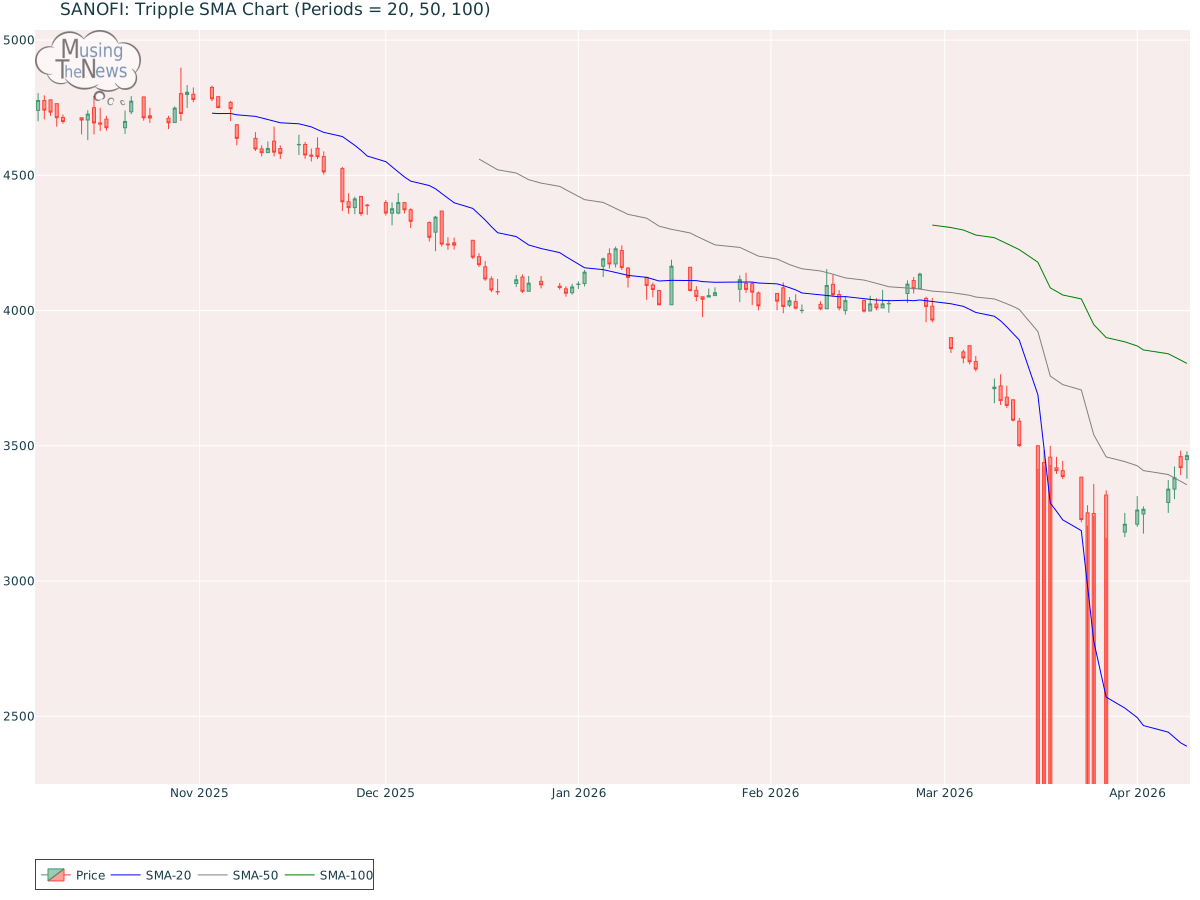
Tripple Moving Agerage: The 20-50-100 period moving averages suggest a bullish trend, though the weakening slopes of the shorter-term averages raise concerns about a potential reversal. While the overall momentum is still upward, the indications from the faster averages suggest that the trend might be nearing its end, warranting caution.
Understanding a company's fundamentals—such as revenue, earnings, and debt levels—provides a solid foundation for analyzing its technical performance. Similarly, knowledge of the industry, including key competitors and market trends, is critical. Combining this fundamental analysis with technical indicators like stock charts, moving averages, and trading volume enables a more comprehensive approach to evaluating the company's overall health and potential future performance.
DISCLAIMER: We provide information and our musings based on events, but nothing on this site can be considered professional advice of any kind.
If you have enjoyed reading, spread the word:
Good prospects:
Companies with the best and the worst fundamentals.
Latest Regulatory Filings for NSE500
Companies with the best and the worst technicals.

U.S. Labor Market in 2026: JOLTS and Consumer Confidence Reveal Why Hiring Cooled Without Unemployment Spike
Lending Unleashed: Assessing the Impact of the Federal Reserve’s Capital Rollback

Calendar Collision: How Mahavir Jayanti's Overlap With Fiscal Year-End Reshapes India's Tax-Loss Harvesting Landscape