
More about Patanjali Foods Limited
Fundamentals for Patanjali Foods Limited
Regulatory Filings for Patanjali Foods Limited

Apollo FY26: When Healthcare Becomes a Flywheel
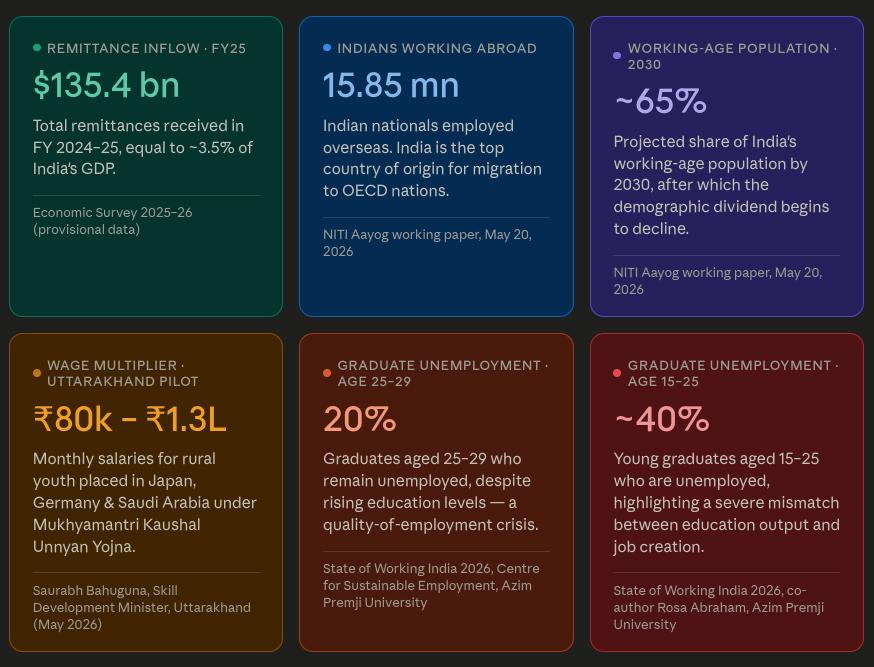
NITI Blueprint Could Turn Brain Drain Into $135Bn Engine
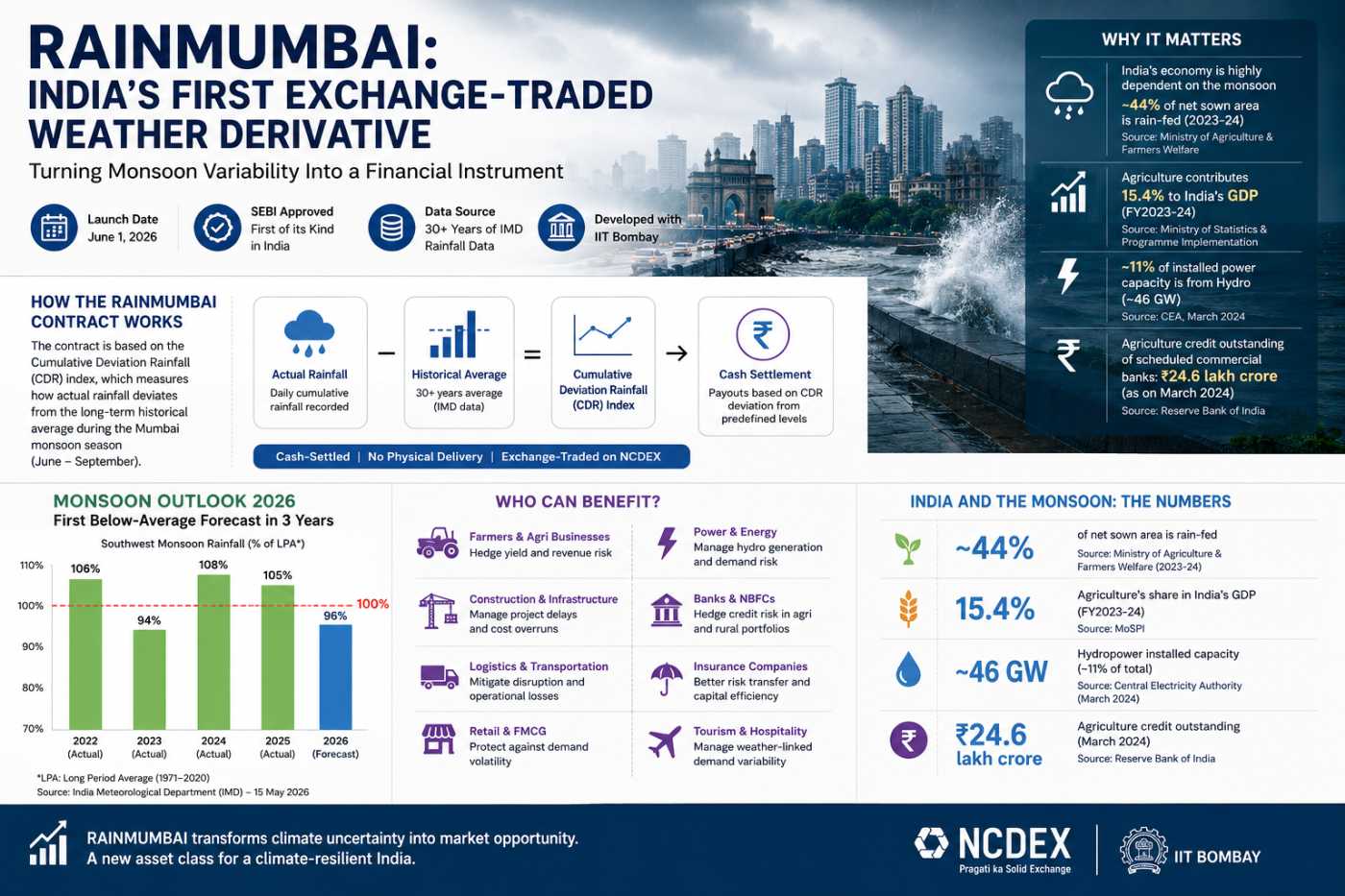
RAINMUMBAI Turns Rain Into a Financial Asset

India’s IT Sector Faces a Historic Breaking Point
Fundamentals for Patanjali Foods Limited



Business Operations:
Sector: Consumer DefensiveIndustry: Packaged Foods
Patanjali Foods Limited engages in the processing of oil seeds and refining crude oil for edible use in India. The company operates through Edible Oils, Food & FMCG, and Wind Power Generation segments. The company offers crude and refined oil; vanaspati, bakery fats, seed extractions, and other related products; mustard, soyabean, sunflower, rice bran, sesame, groundnut, and roasted/virgin coconut oil; palm, castor, and soya derivatives, as well as glycerine; and soya value-added products, such as soya flakes, lecithin, textured vegetable protein, grits, flour, and soybean meal. It also provides food products comprising dry fruits, ghee, honey, flour, sugar, salt, juices, beverages/drinks, sharbat, roasted diet, herbal products, rice, pulses, spices, and namkeen products; biscuits, breakfast cereals, candy, jam, noodles, pickles, sauces, sweets, and tea products; soya chunks and granules, maxs millet, maxx millet oats, maxx nuts; and nutraceutical products. In addition, the company generates electricity from windmills; and trading of various products. It sells its products under the Patanjali, Nutrela, Mahakosh, Sunrich, and Ruchi Gold brands. The company was formerly known as Ruchi Soya Industries Limited and changed its name to Patanjali Foods Limited in June 2022. Patanjali Foods Limited was incorporated in 1986 and is based in Indore, India.
Revenue projections:
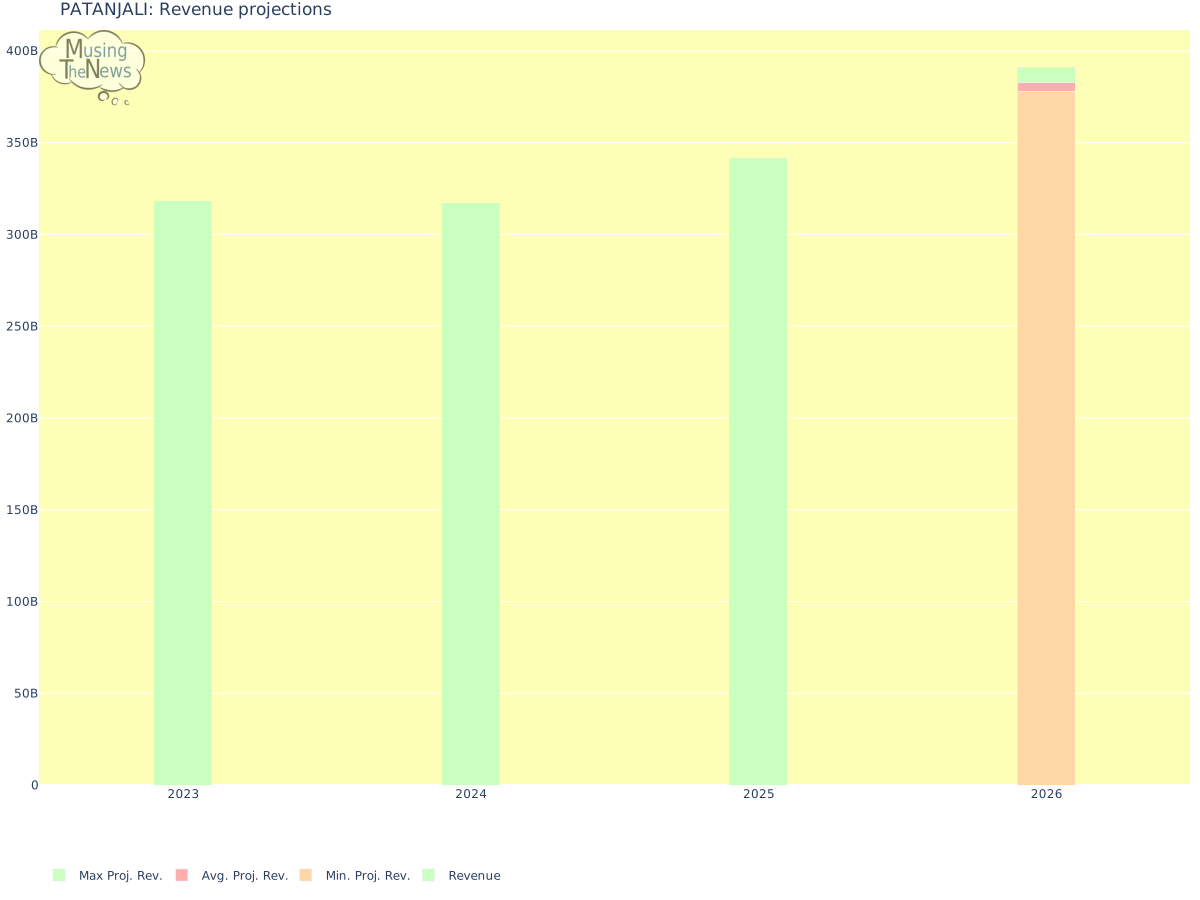
PATANJALI's revenue projections show a decrease from last year, which tends to make investors more cautious. This could have a negative impact on the company's bottom line, as lower revenues typically suggest reduced profitability and growth potential, prompting concern among investors.
Financial Ratios:
| currentRatio | 0.000000 |
|---|---|
| forwardPE | 28.605127 |
| debtToEquity | 23.903000 |
| earningsGrowth | 0.597000 |
| revenueGrowth | 0.152000 |
| grossMargins | 0.145590 |
| operatingMargins | 0.035510 |
| trailingEps | 15.140000 |
| forwardEps | 15.897500 |
Patanjali Foods Limited's Forward PE ratio suggests that the stock is priced appropriately in relation to its earnings. Not being overpriced, it offers room for growth, signaling potential upside for investors looking for a stock with reasonable valuation and growth potential.
Patanjali Foods Limited's low Debt-to-Equity ratio shows that the company isn't heavily reliant on debt for financing. This implies a conservative approach to leveraging, reducing financial risk and demonstrating a solid financial foundation, which can enhance investor confidence in the company's long-term stability.
With positive earnings and revenue growth, PATANJALI is on a path to expand its business. This strong financial performance suggests the company will continue to grow, as increasing profits and revenue highlight a healthy outlook.
PATANJALI's forward EPS is higher than its trailing EPS, which signals that the company is expected to achieve greater profitability this financial year. This suggests improved earnings performance, indicating a positive outlook for PATANJALI's financial growth.
Price projections:
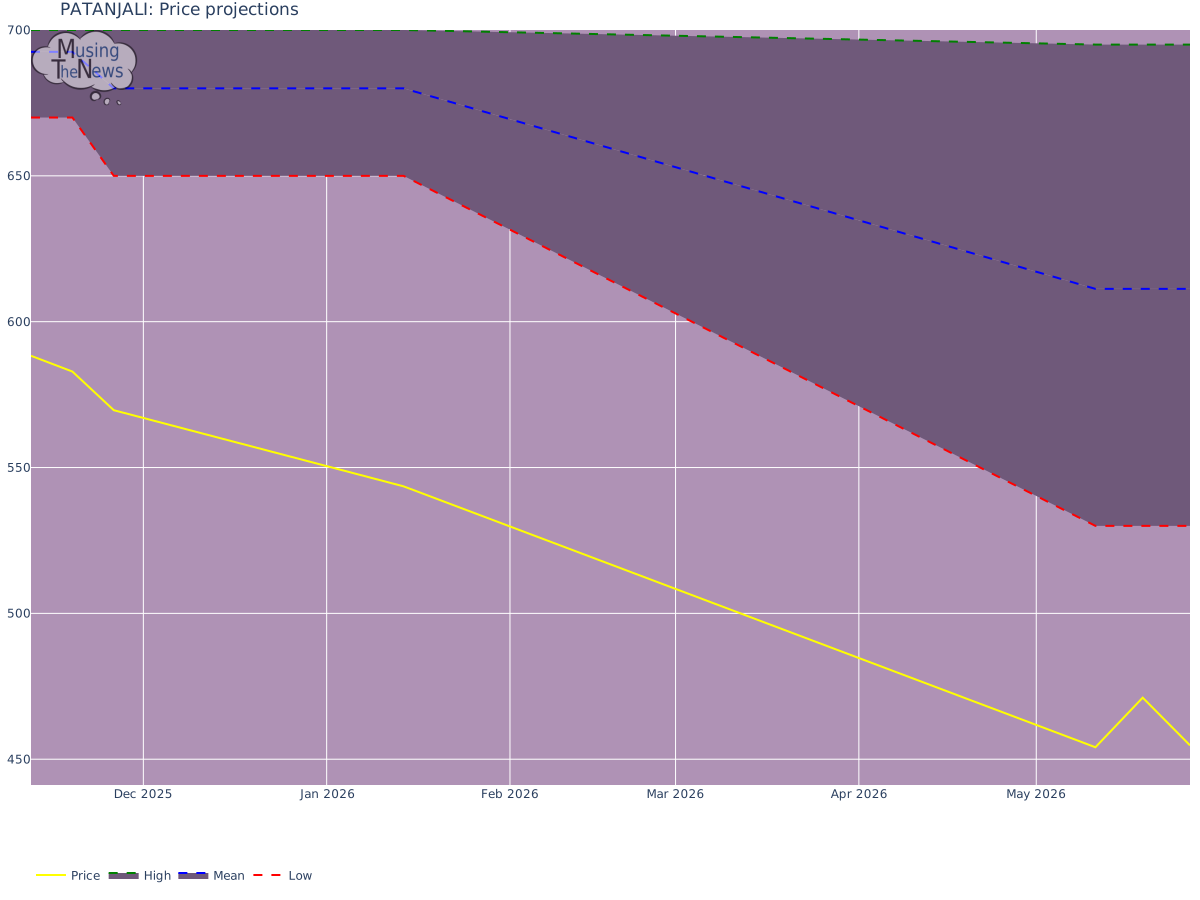
PATANJALI's present price relative to projections does not indicate any obvious risks or opportunities. This balanced situation suggests a period of stability, where investors may find it prudent to maintain their current strategies until more information becomes available.
Recommendation changes over time:
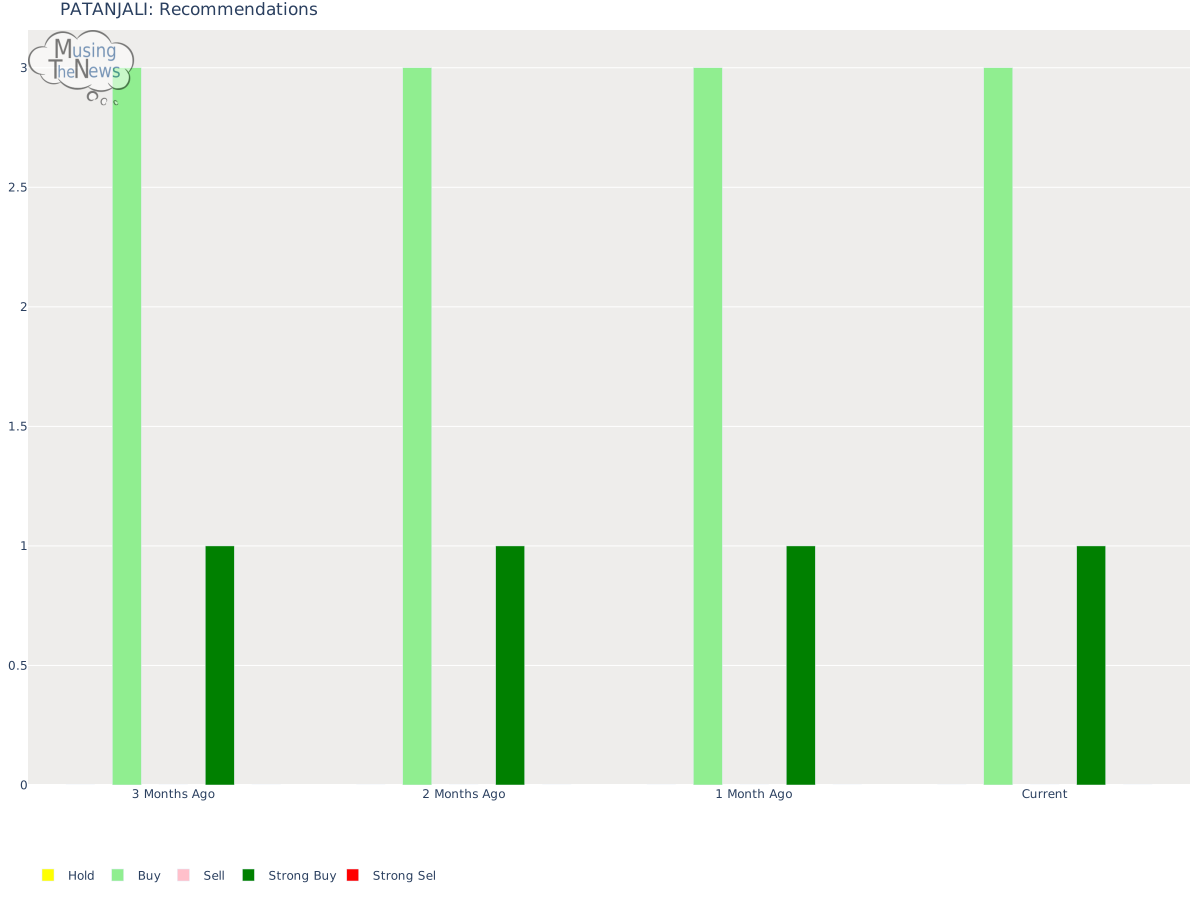
Analysts have maintained a buy bias for PATANJALI, which could prompt investors to consider the stock as a viable investment. With this positive outlook, PATANJALI is positioned as an attractive option for those looking to park their money in a stable and potentially lucrative company.
If you have enjoyed reading, spread the word:
Good prospects:
Companies with the best and the worst fundamentals.
Latest Regulatory Filings for NSE500
Companies with the best and the worst technicals.

How Independent Directors Failed Rs 2,500 Crore in Value

India’s Stock Market May Be Sitting on a Trap

Beyond Sugar: India's Bio-Economy Bets Big on Biofuel