
More about Oil India Limited
Fundamentals for Oil India Limited
Regulatory Filings for Oil India Limited

Apollo FY26: When Healthcare Becomes a Flywheel
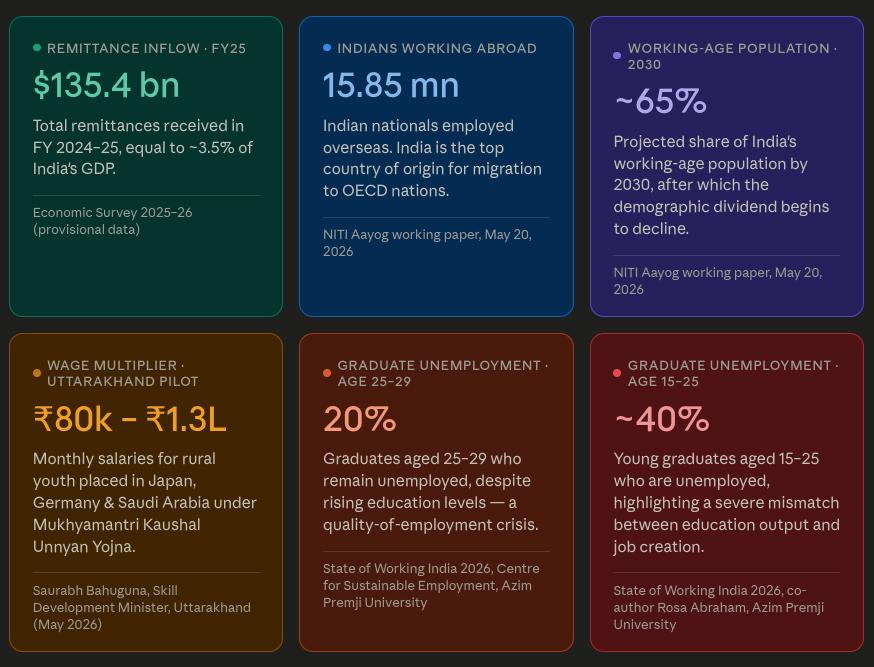
NITI Blueprint Could Turn Brain Drain Into $135Bn Engine
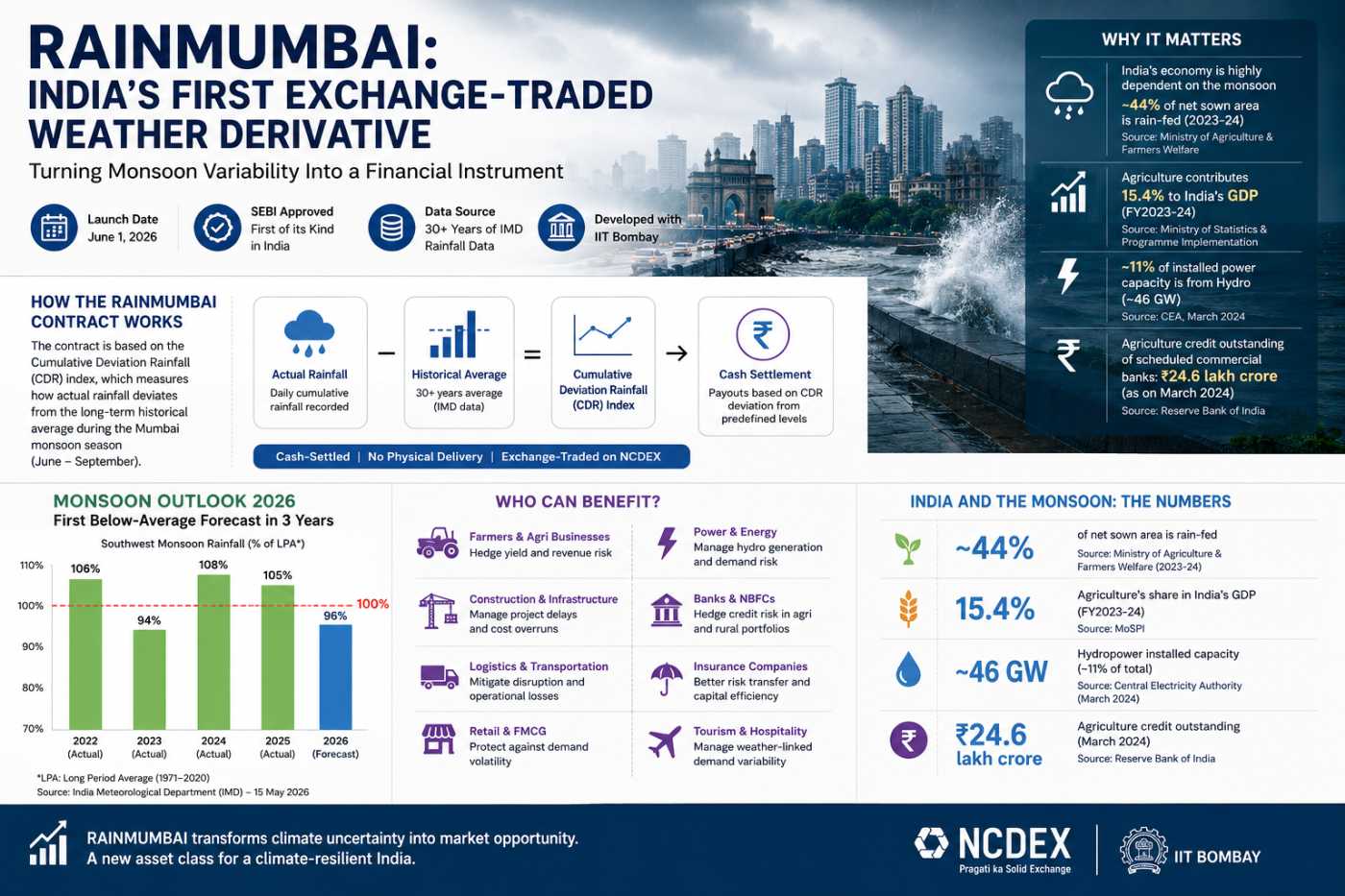
RAINMUMBAI Turns Rain Into a Financial Asset

India’s IT Sector Faces a Historic Breaking Point
Fundamentals for Oil India Limited



Business Operations:
Sector: EnergyIndustry: Oil & Gas Integrated
Oil India Limited engages in the exploration, development, and production of crude oil and natural gas in India. It operates through Crude Oil, Natural Gas, Liquefied Petroleum Gas (LPG), Pipeline Transportation, Renewable Energy, and Others segments. The company owns and operates automated crude oil trunk pipeline comprising an area of 1,157 kilometers, and drilling rigs and workover rigs. It is also involved in the transportation of crude oil and natural gas, and production of LPG, as well as in the pipeline transportation services. In addition, it generates energy through wind and solar power projects. Oil India Limited was founded in 1889 and is based in Noida, India.
Revenue projections:
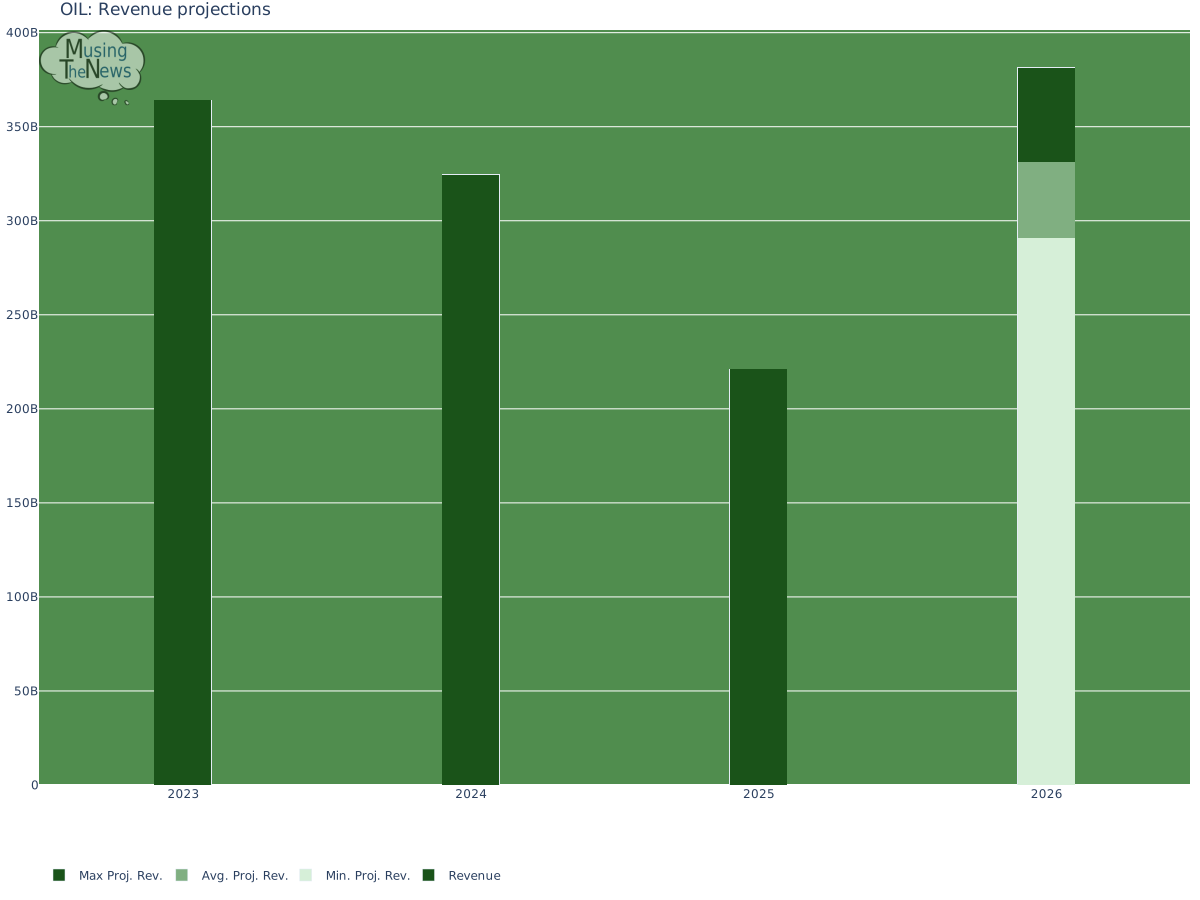
Investors may be wary of OIL as its revenues are expected to fall below the prior year's levels. A revenue decrease often leads to concerns about profitability, as it is likely to affect the company's bottom line, prompting investors to take a more cautious approach.
Financial Ratios:
| currentRatio | 1.089000 |
|---|---|
| forwardPE | 7.740042 |
| debtToEquity | 58.741000 |
| earningsGrowth | 0.604000 |
| revenueGrowth | 0.052000 |
| grossMargins | 0.553230 |
| operatingMargins | 0.277810 |
| trailingEps | 40.700000 |
| forwardEps | 63.048750 |
Oil India Limited's current ratio 1.089, suggesting the company has sufficient liquidity to service its short-term debt. With its cash reserves and current assets in good shape, Oil India Limited can comfortably meet its immediate liabilities, reflecting a healthy financial standing.
Positive gross and operating margins for OIL highlight the company's profitability. These metrics reflect OIL's efficiency in controlling costs while generating strong revenue from its core operations, signaling robust financial health.
OIL's forward EPS surpasses its trailing EPS, indicating that the company is expected to be more profitable in the current financial year. This reflects growing confidence in OIL's earnings potential, suggesting stronger financial performance compared to the previous year.
Price projections:
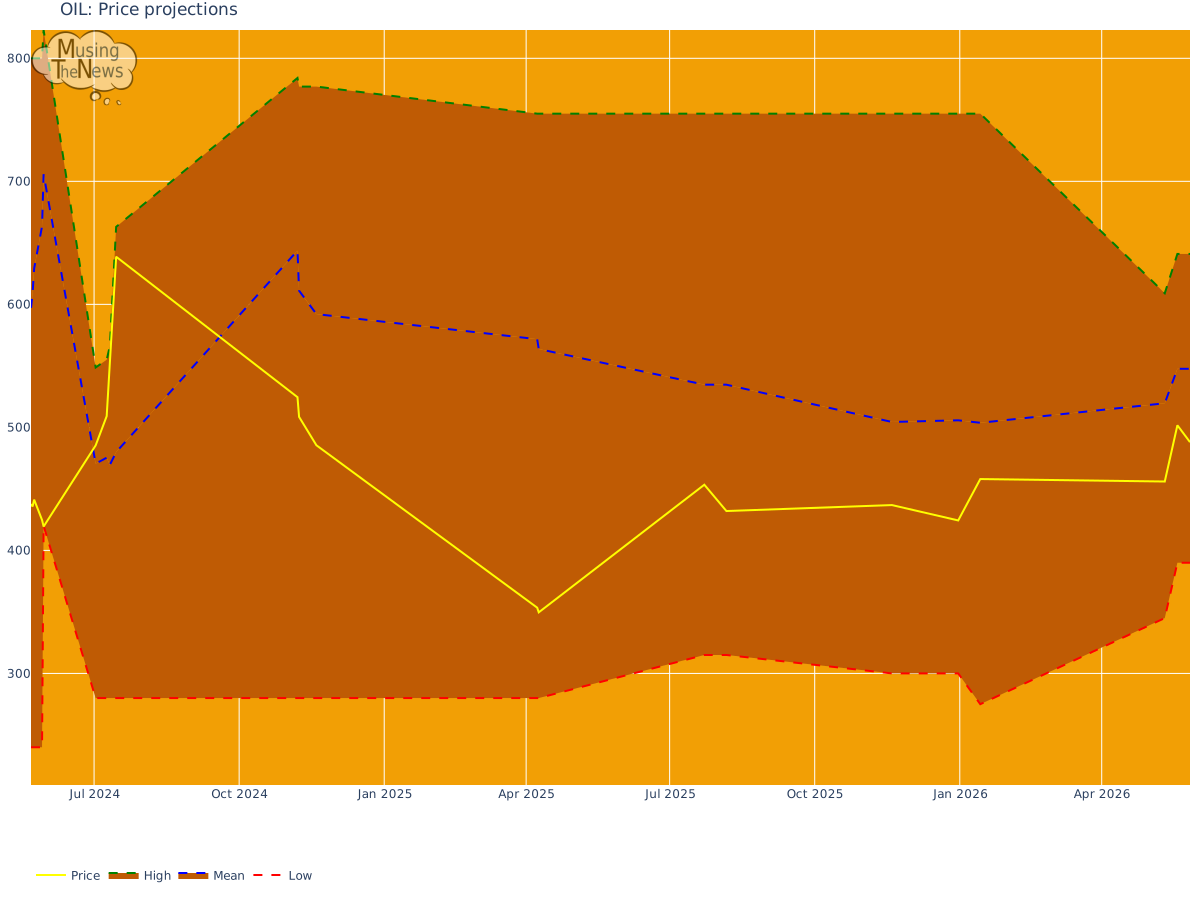
The price of OIL has regularly been close to the lower end of projections, suggesting that it might be struggling to meet market expectations. This trend raises questions about the company's future performance.
Recommendation changes over time:
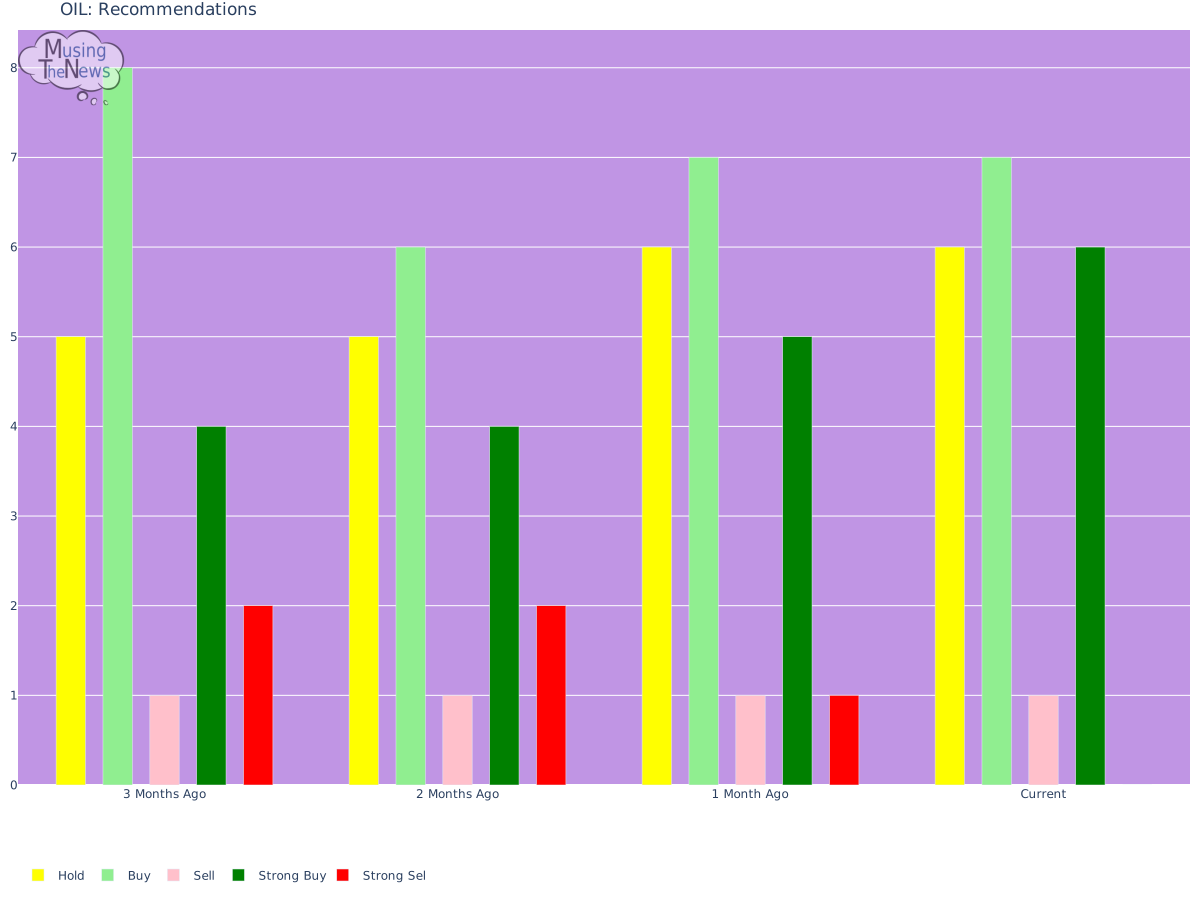
OIL has been receiving a buy bias from analysts, signaling strong confidence in the stock's future performance. This positive outlook might drive investors to view OIL as an attractive option for their portfolios, positioning the company as a stable and profitable investment choice.
If you have enjoyed reading, spread the word:
Good prospects:
Companies with the best and the worst fundamentals.
Latest Regulatory Filings for NSE500
Companies with the best and the worst technicals.

How Independent Directors Failed Rs 2,500 Crore in Value

India’s Stock Market May Be Sitting on a Trap

Beyond Sugar: India's Bio-Economy Bets Big on Biofuel