
More about The New India Assurance Company Limited
Fundamentals for The New India Assurance Company Limited
Regulatory Filings for The New India Assurance Company Limited

Why Oman Is Now India's Most Strategic Trade Partner

Infrastructure Bet Fuels Cement Surge

Apollo FY26: When Healthcare Becomes a Flywheel
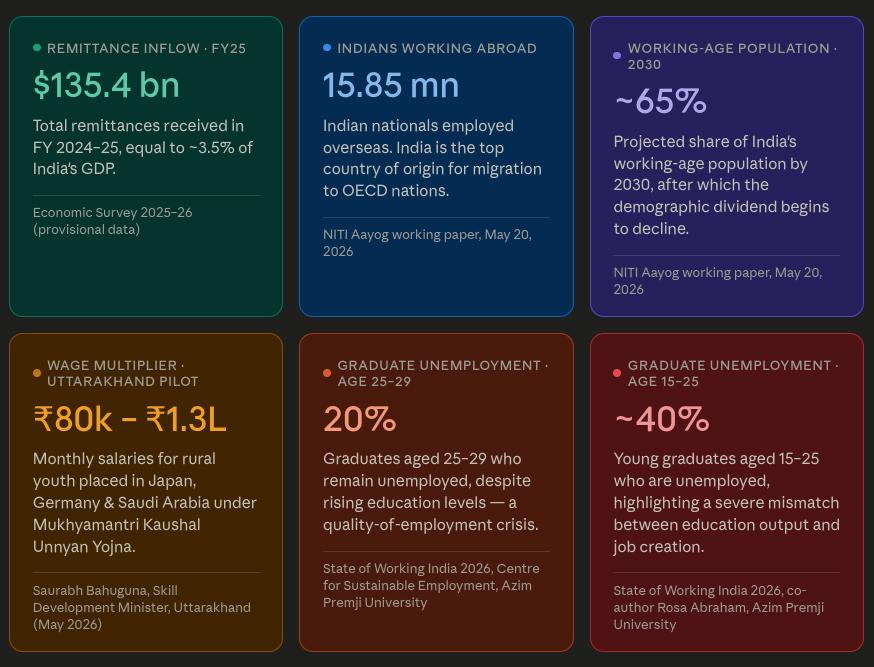
NITI Blueprint Could Turn Brain Drain Into $135Bn Engine
Technicals for The New India Assurance Company Limited



Price Summary
On 2026-06-03, The New India Assurance Company Limited's shares started at 148.25, peaked at 149.57, bottomed out at 145.58, and ended -0.72% down at 147.18, with 713906 shares traded.In the past year, the highest stock price was 204.35, and the lowest was 117.82.
Technicals
Support and Resistance: The price of 147.18 is supported at 143.8 and faces resistance at 150.49. This range suggests key levels for NIACL where the price may stabilize, with 143.8 acting as a support and 150.49 as a cap on gains.
Aroon: Aroon's bearish trend continues, with Aroon Down holding steady at the 100 level. This suggests ongoing weakness, but further exploration with other indicators is needed to fully assess the trend's implications.

Bol. Bands: After the last move, the price dropped below the lower Bollinger Band and has remained there. This ongoing position beneath the band suggests that the market is experiencing strong downward pressure, possibly leading to an oversold condition. The sustained stay in this zone indicates that the bearish trend might persist, making this a critical area for traders to watch closely for signs of a reversal.

Parabolic SAR: The PSAR remains bearish, reinforcing a resistance level that could restrict any upward movement. This resistance indicates that the market may remain under bearish control, with limited potential for gains.

Stochastic: With the Stochastic K-line below the D-line and under 20, the market shows signs of a mildly bearish trend. This configuration suggests possible weakness for NIACL, but the bearish sentiment is not overly strong. Traders should be aware of this potential shift and look for further confirmation.

Tripple Moving Agerage: The Tripple MOVING AVG is currently in a neutral position for The New India Assurance Company Limited, offering no clear guidance on whether the market is likely to move up or down. This neutral stance suggests that further observation may be necessary before a trend becomes apparent.

A thorough analysis of a company involves looking beyond its stock price movements and trading patterns. You must also examine its fundamentals, which include profitability, growth prospects, and competitive advantages. Additionally, the industry in which the company operates provides important context, as factors like technological innovations, regulation, and market demand influence performance. By integrating this information with technical analysis, more accurate predictions about the company's future can be made.
If you have enjoyed reading, spread the word:
Good prospects:
Companies with the best and the worst fundamentals.
Latest Regulatory Filings for NSE500
Companies with the best and the worst technicals.
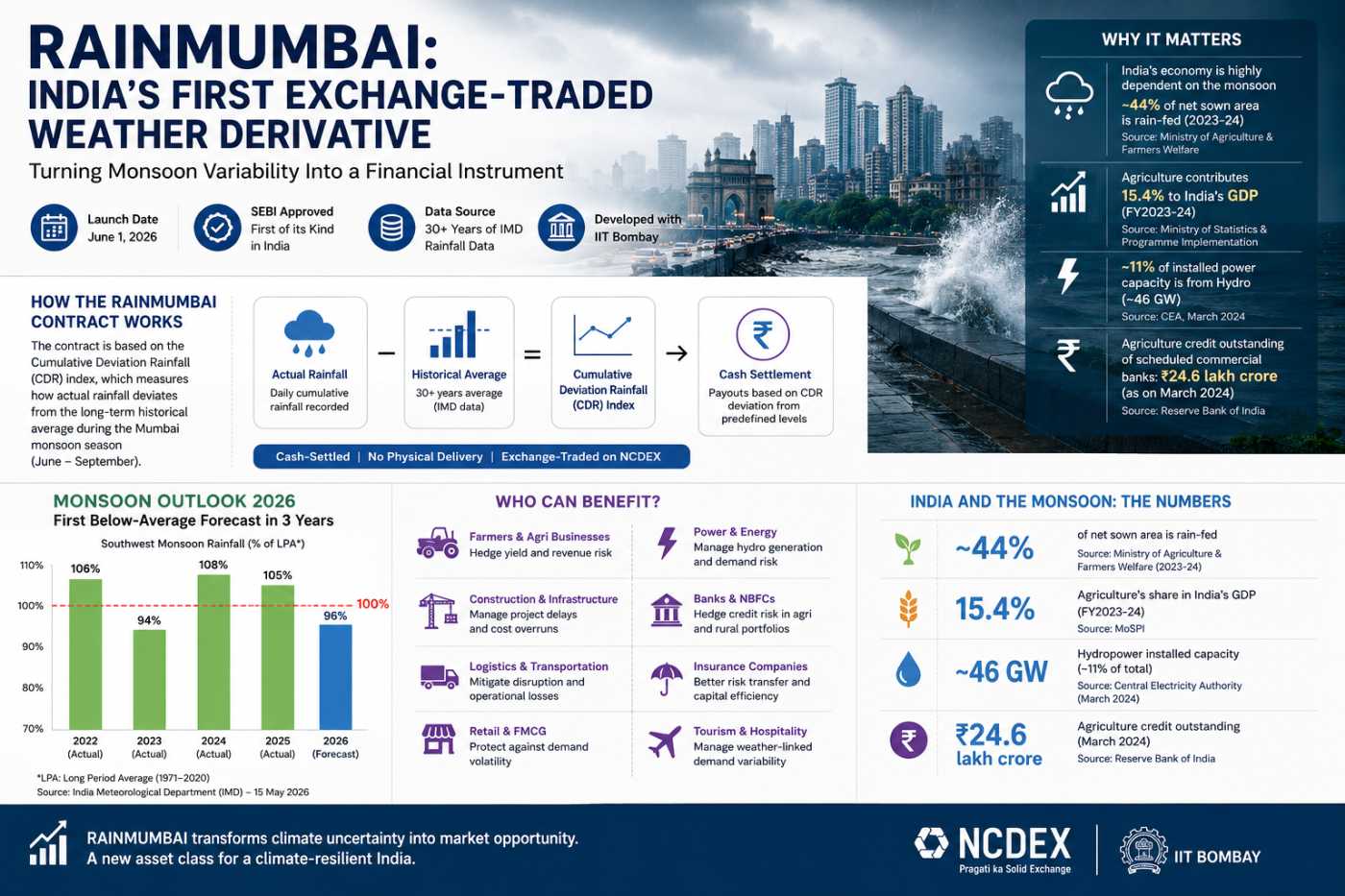
RAINMUMBAI Turns Rain Into a Financial Asset

India’s IT Sector Faces a Historic Breaking Point

How Independent Directors Failed Rs 2,500 Crore in Value