
More about Maruti Suzuki India Limited
Fundamentals for Maruti Suzuki India Limited
Regulatory Filings for Maruti Suzuki India Limited

Apollo FY26: When Healthcare Becomes a Flywheel
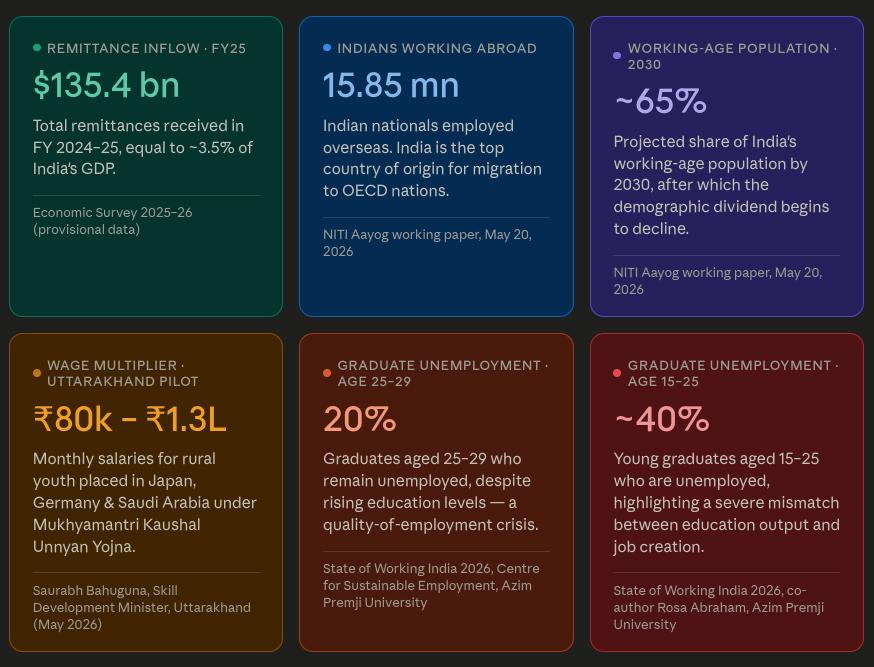
NITI Blueprint Could Turn Brain Drain Into $135Bn Engine
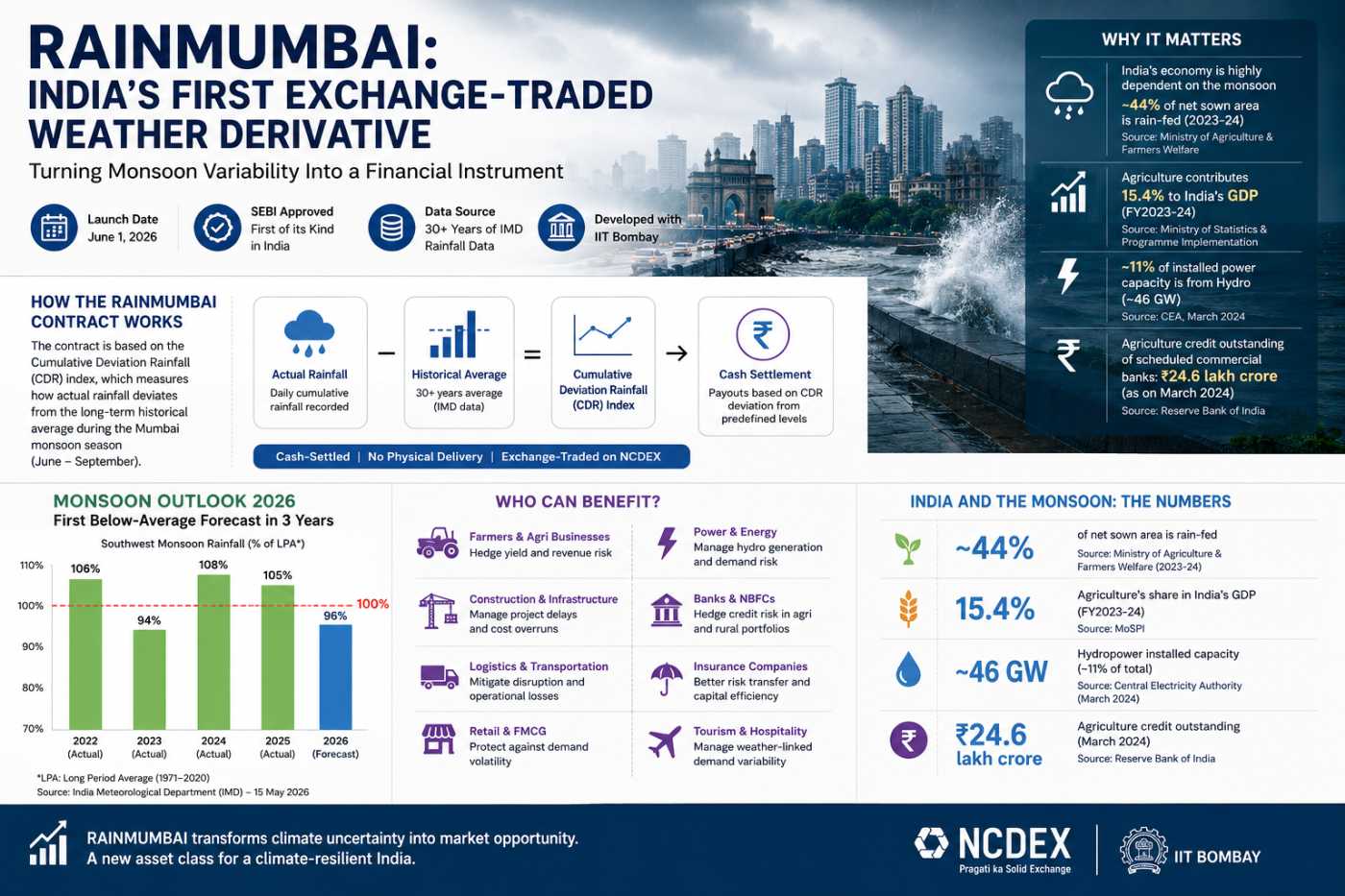
RAINMUMBAI Turns Rain Into a Financial Asset

India’s IT Sector Faces a Historic Breaking Point
Fundamentals for Maruti Suzuki India Limited



Business Operations:
Sector: Consumer CyclicalIndustry: Auto Manufacturers
Maruti Suzuki India Limited engages in the manufacture, purchase, and sale of motor vehicles, components, and spare parts primarily in India. The company offers passenger vehicles, utility vehicles, and multi-purpose vehicles. It is also involved in the facilitation of pre-owned car sales, fleet management, and car financing activities. In addition, the company offers driving school, accessories, insurance, and financing products and services. It also exports its products to Mexico, Chile, Saudi Arabia, South Africa, Philippines, and internationally. The company was formerly known as Maruti Udyog Limited and changed its name to Maruti Suzuki India Limited in September 2007. Maruti Suzuki India Limited was incorporated in 1981 and is headquartered in New Delhi, India. Maruti Suzuki India Limited operates as a subsidiary of Suzuki Motor Corporation.
Revenue projections:
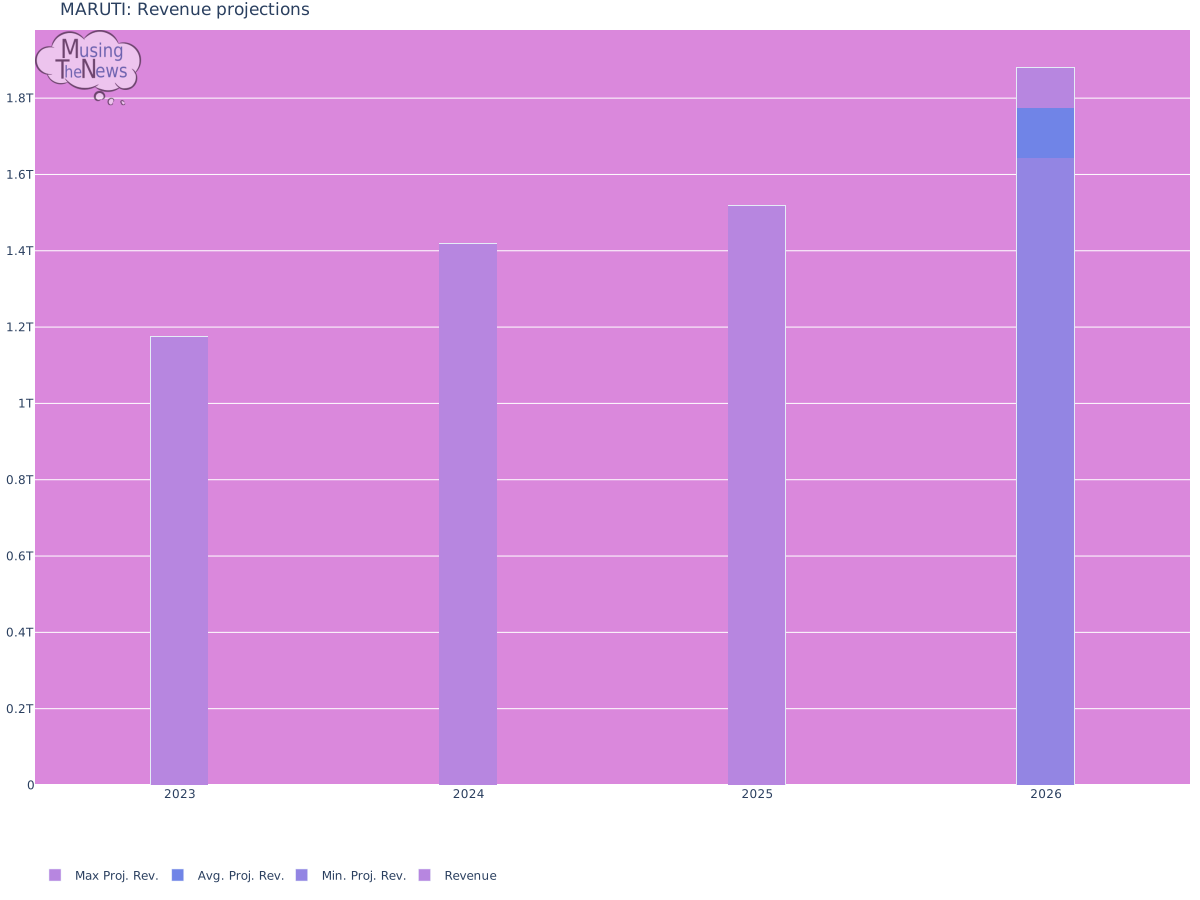
MARUTI is projected to experience a revenue decline compared to last year, a development that often leads to investor caution. The drop could negatively impact the company's bottom line, as lower revenues typically signal reduced profitability, prompting more conservative investment strategies.
Financial Ratios:
| currentRatio | 1.068000 |
|---|---|
| forwardPE | 21.148788 |
| debtToEquity | 0.096000 |
| earningsGrowth | -0.064000 |
| revenueGrowth | 0.282000 |
| grossMargins | 0.278370 |
| operatingMargins | 0.084060 |
| trailingEps | 467.530000 |
| forwardEps | 624.527500 |
MARUTI's current ratio is 1.068, signaling that the company has sufficient cash reserves and current assets to cover its short-term debt obligations. This suggests financial stability, as MARUTI should not face any issues meeting its short-term liabilities with available resources.
MARUTI's Forward PE is in a strong range, indicating that its stock price compares well with its earnings. The stock is not considered overpriced, leaving ample room for growth and making it a promising option for investors looking for value and future returns.
MARUTI's forward EPS is higher than its trailing EPS, suggesting the company is expected to improve its profitability this financial year. This reflects growing confidence in MARUTI's earnings potential, with forecasts indicating better financial performance than in the prior year.
Price projections:
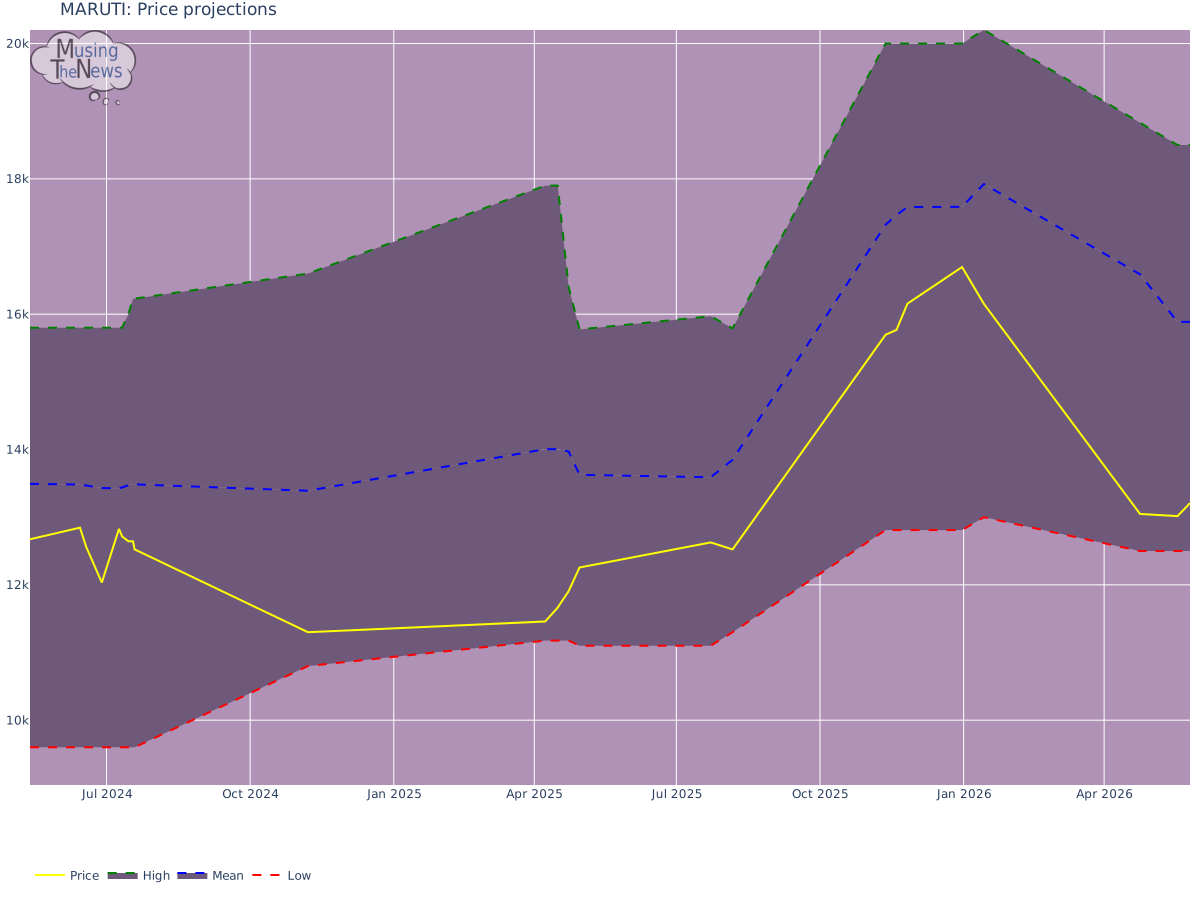
The stock price of Maruti Suzuki India Limited has often been near the lower end of projections, indicating that it may not be meeting investor expectations. This trend could suggest challenges ahead for the company.
Recommendation changes over time:
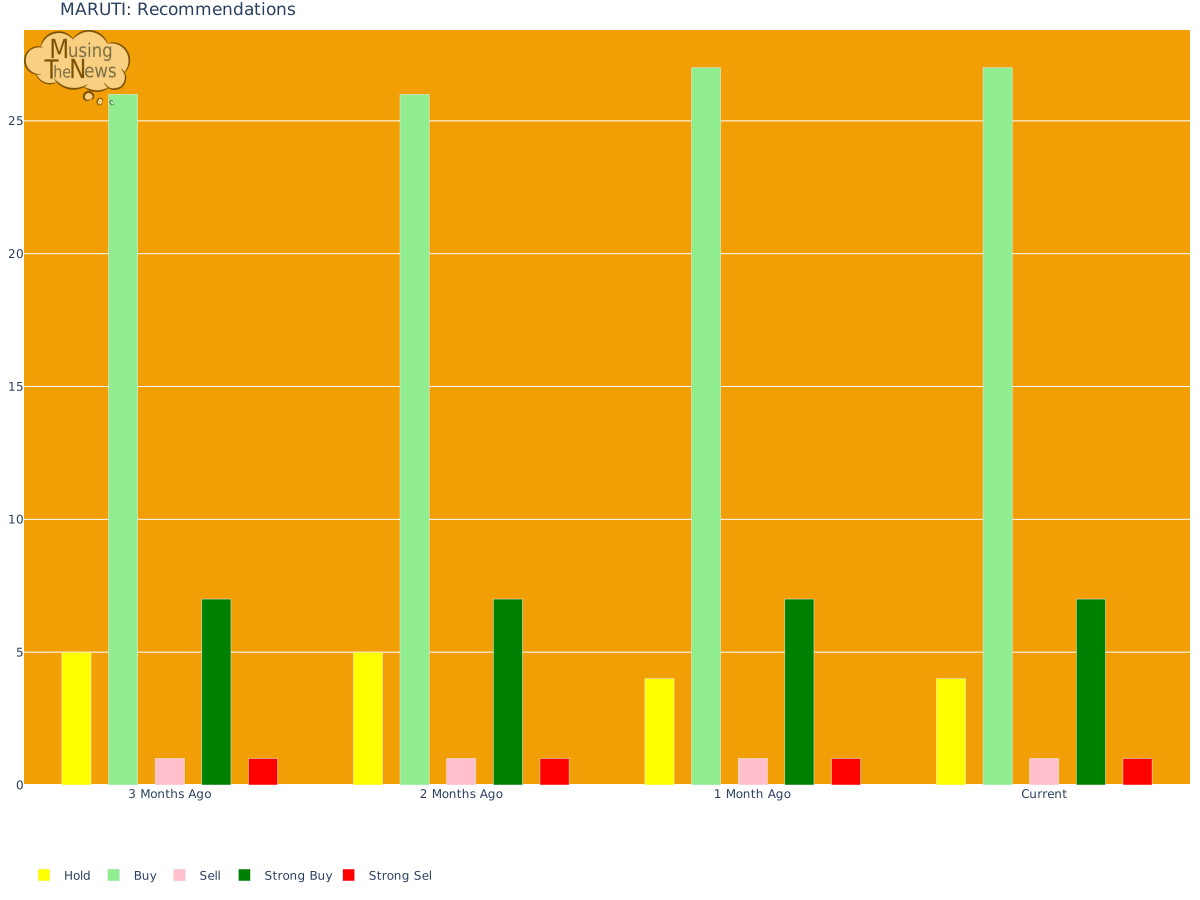
MARUTI has garnered a buy bias from analysts recently, suggesting the stock is a good investment opportunity. This may lead to increased investor interest, as MARUTI is seen as a reliable place to park money for those looking to benefit from potential market gains and company growth.
If you have enjoyed reading, spread the word:
Good prospects:
Companies with the best and the worst fundamentals.
Latest Regulatory Filings for NSE500
Companies with the best and the worst technicals.

How Independent Directors Failed Rs 2,500 Crore in Value

India’s Stock Market May Be Sitting on a Trap

Beyond Sugar: India's Bio-Economy Bets Big on Biofuel