

Apollo FY26: When Healthcare Becomes a Flywheel
NITI Blueprint Could Turn Brain Drain Into $135Bn Engine
RAINMUMBAI Turns Rain Into a Financial Asset

India’s IT Sector Faces a Historic Breaking Point
Fundamentals for KSB Limited



Business Operations:
Sector: IndustrialsIndustry: Specialty Industrial Machinery
KSB Limited manufactures and sells power-driven pumps and industrial valves in India and internationally. It operates through Pumps and Valves segments. The Pumps segment manufactures and trades in industrial pumps, submersible pumps, effluent treatment pumps, etc.; and offers related spares and services. Its Valves segment is involved in the manufacturing and trading of industrial valves, and related spares and services. The company also produces castings for captive consumption; and offers spare parts kits and mechanical seals. In addition, it offers technical services comprising consultancy and analysis services, such as technical consultancy, energy efficiency consulting, identification of energy-saving potential, SES system efficiency service, and well pump measurement; installation and commissioning; operation services, including inspection service, maintenance inspection management, total pump management, spare parts inventory management, pump monitoring from specialists, and service for automation products; pump, motor, and valve repair services, as well as retrofit, reverse engineering, service for other rotating equipment, and service for mechanical seals; and seminar and training services. The company's products are used in waste water, water, and industry technology; chemicals production; building services; energy technology; mining; dredge; oil and gas technology; and decarbonization applications. The company was formerly known as KSB Pumps Limited and changed its name to KSB Limited in June 2018. KSB Limited was incorporated in 1960 and is headquartered in Pune, India.
Revenue projections:
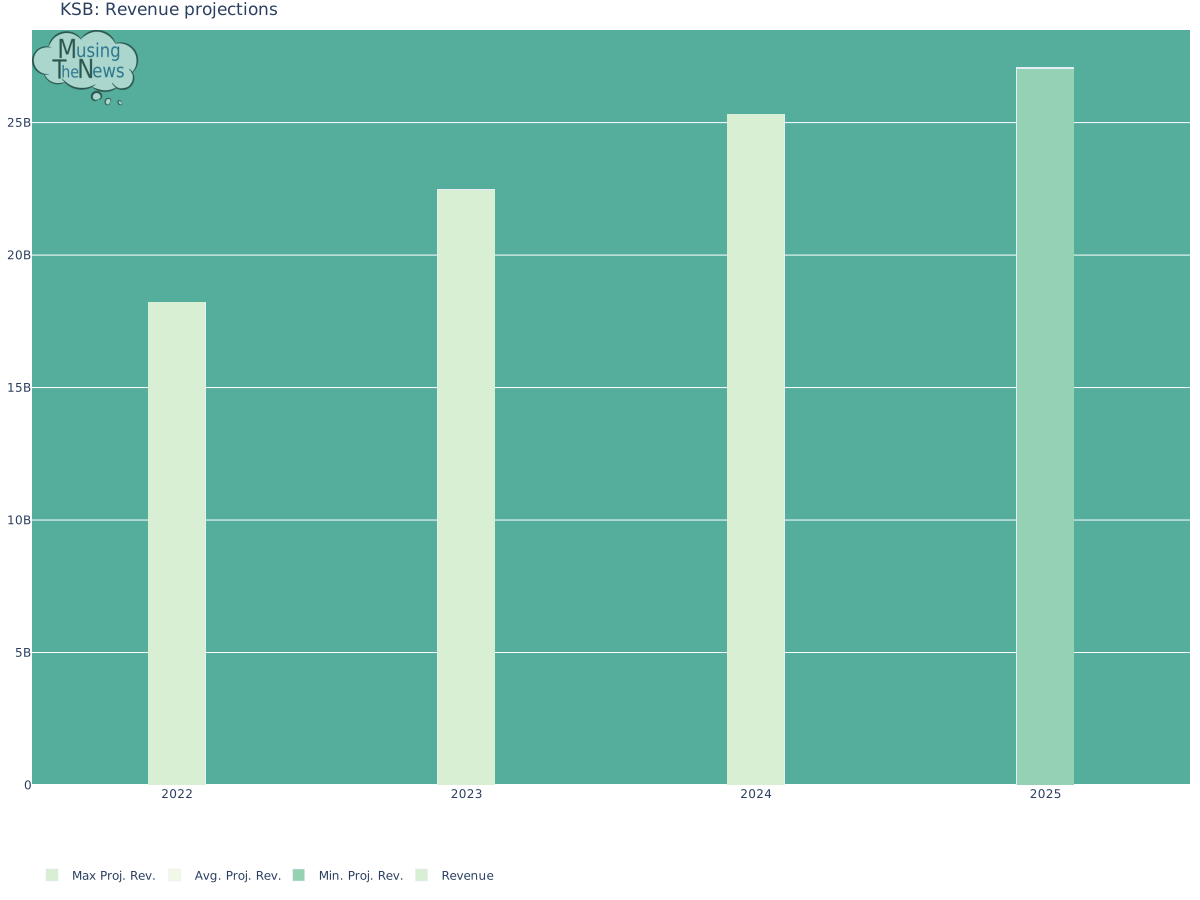
Investors may react cautiously to news that KSB Limited's revenues are forecasted to be lower than last year's. Such declines are likely to have a negative effect on the company's bottom line, which can lead to concerns about profitability and hinder investor confidence in the company's future performance.
Financial Ratios:
| currentRatio | 0.000000 |
|---|---|
| forwardPE | 35.507656 |
| debtToEquity | 0.310000 |
| earningsGrowth | -0.232000 |
| revenueGrowth | 0.010000 |
| grossMargins | 0.453220 |
| operatingMargins | 0.060370 |
| trailingEps | 14.870000 |
| forwardEps | 22.850000 |
KSB's low earnings and revenue growth suggest shrinking profits. This negative trend could indicate that the company is struggling to maintain its financial performance and may face challenges ahead.
KSB's negative gross and operating margins highlight that the company is incurring losses, unable to generate profit from production or operations. This could be a sign of rising costs or declining revenues, impacting its financial outlook.
With a forward EPS greater than its trailing EPS, KSB is expected to see higher profitability this year. The forecasted increase in earnings reflects optimism about the company's financial growth and potential for improved performance over the prior year.
Price projections:
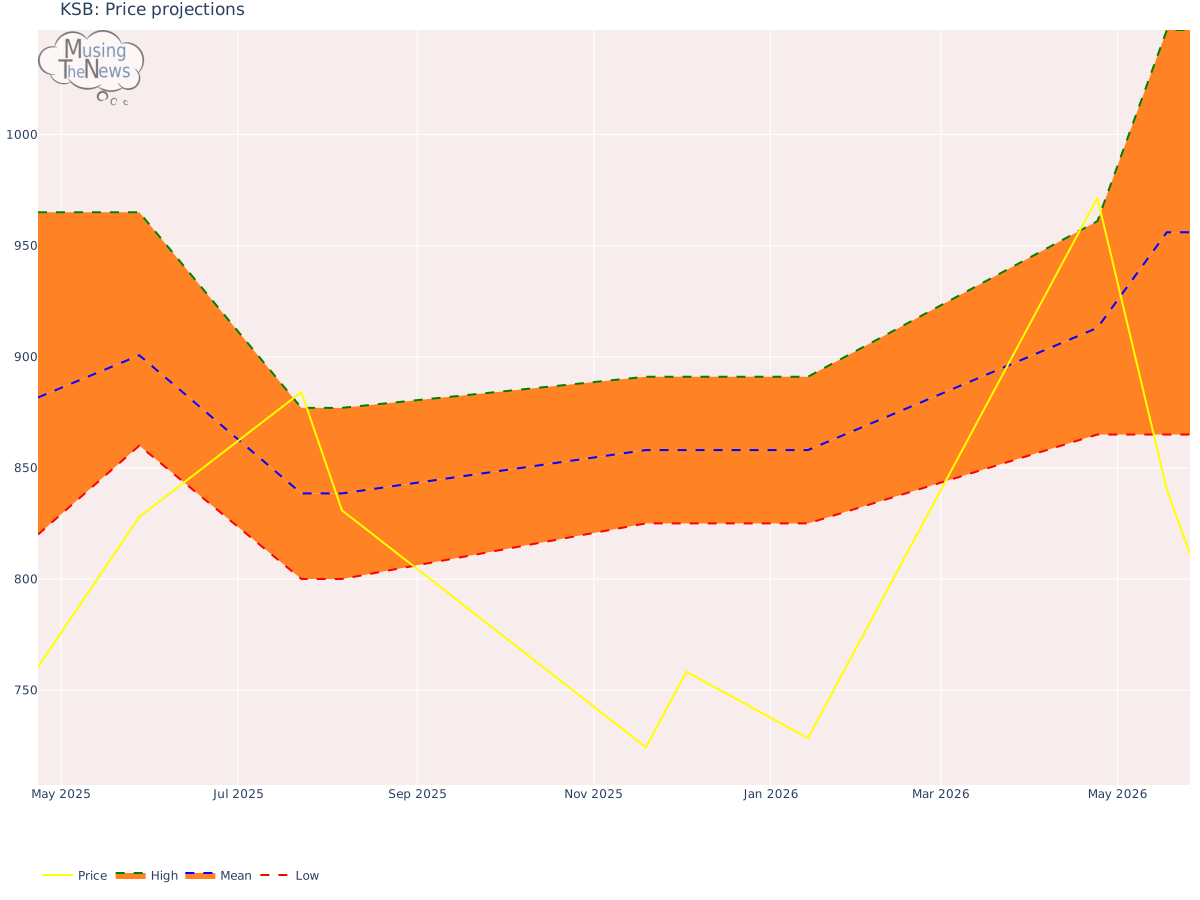
KSB's present price relative to projections does not indicate any obvious risks or opportunities. This balanced situation suggests a period of stability, where investors may find it prudent to maintain their current strategies until more information becomes available.
Recommendation changes over time:
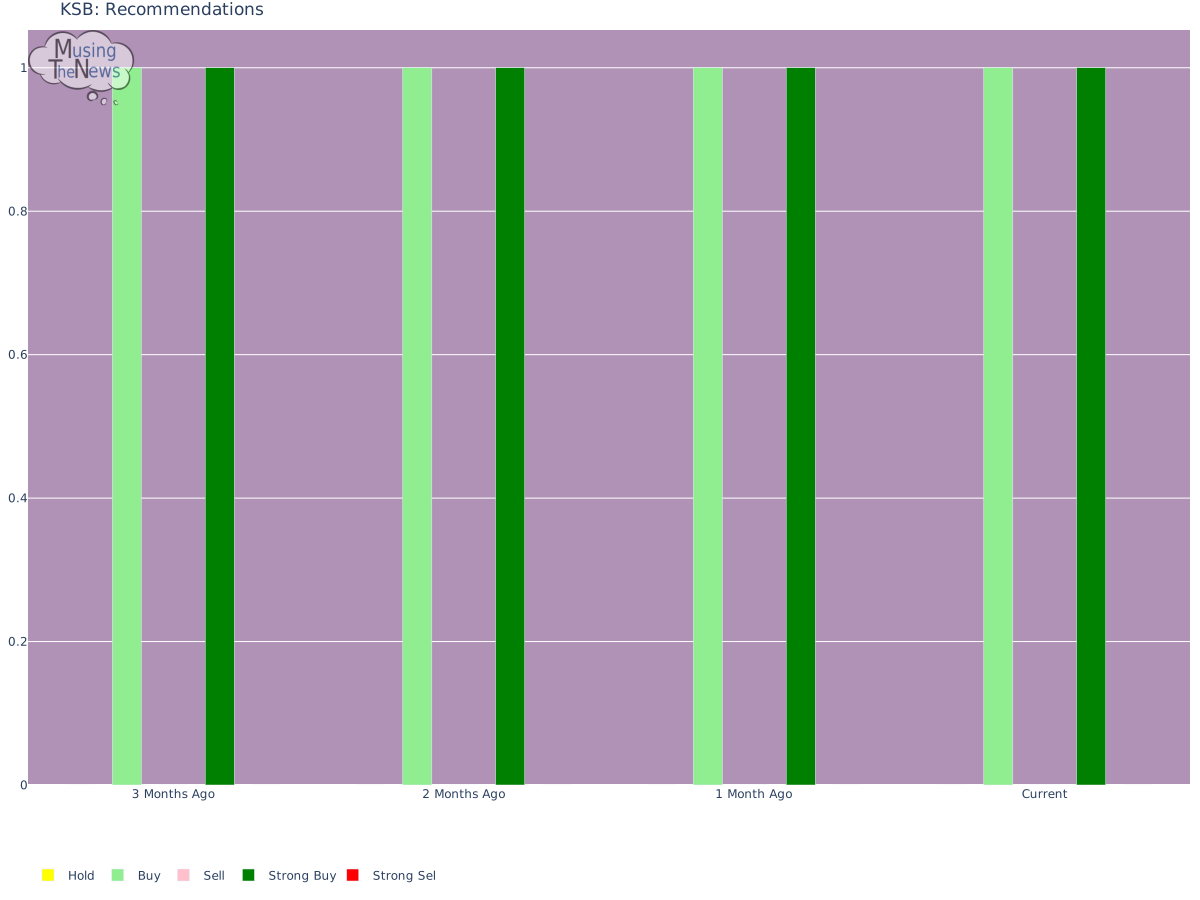
Analysts' buy bias toward KSB suggests the stock is seen as a solid investment, potentially motivating investors to consider it for their portfolios. With this positive outlook, KSB is likely to be viewed as a secure place to allocate funds, driving further interest in the stock.
If you have enjoyed reading, spread the word:
Good prospects:
Companies with the best and the worst fundamentals.
Latest Regulatory Filings for NSE500
Companies with the best and the worst technicals.

How Independent Directors Failed Rs 2,500 Crore in Value

India’s Stock Market May Be Sitting on a Trap

Beyond Sugar: India's Bio-Economy Bets Big on Biofuel