
More about Jindal Steel & Power Limited
Fundamentals for Jindal Steel & Power Limited
Regulatory Filings for Jindal Steel & Power Limited

Why Oman Is Now India's Most Strategic Trade Partner

Infrastructure Bet Fuels Cement Surge

Apollo FY26: When Healthcare Becomes a Flywheel
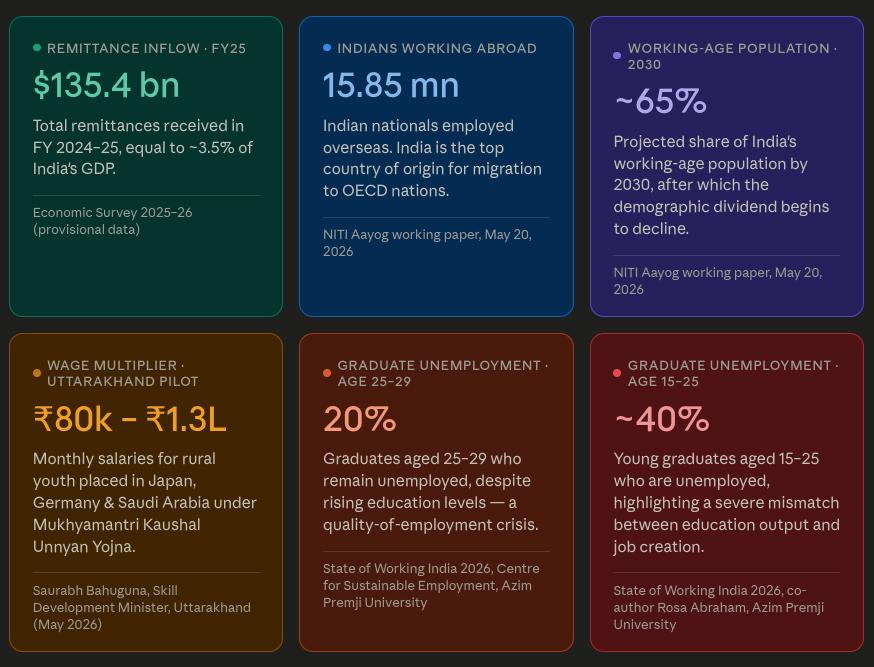
NITI Blueprint Could Turn Brain Drain Into $135Bn Engine
Technicals for Jindal Steel & Power Limited



Price Summary
Jindal Steel & Power Limited's stock, on 2026-06-03 opened at 1213.2, climbed to a high of 1218.9, dropped to a low of 1190.0, and closed up -0.16% at 1211.3, with 488988 shares traded.In the last 52 weeks, the stock's top price was 1288.8 and the bottom price was 887.45.
Technicals
Support and Resistance: The price currently sits at 1211.3, finding support at 1191.1 and resistance at 1225.0. These levels define a range for Jindal Steel & Power Limited where the price may move, with 1191.1 offering a base and 1225.0 limiting upward momentum.
Aroon: The continuation of Aroon's bearish trend, with Aroon Down remaining at 100, indicates sustained market weakness for Jindal Steel & Power Limited. To fully assess the implications of this trend, it should be examined in conjunction with other technical indicators.

Bol. Bands: The BOLL BANDS is in a neutral stance, with no clear direction indicated for the market. This lack of clarity suggests that the market may be in a state of equilibrium for JINDALSTEL, with no strong trend emerging.

Parabolic SAR: The PSAR for JINDALSTEL remains bearish, establishing a key resistance level that could hinder upward movement. This ongoing bearish outlook suggests that the market may face challenges in breaking higher, with the resistance level acting as a barrier to potential gains.

Stochastic: The current state of the STOCHASTIC is neutral, offering no clear signals of movement in either direction. This suggests a potential pause in market activity, with no strong trend emerging at the moment.

Tripple Moving Agerage: The Tripple MOVING AVG is currently in a neutral position for Jindal Steel & Power Limited, offering no clear guidance on whether the market is likely to move up or down. This neutral stance suggests that further observation may be necessary before a trend becomes apparent.

When analyzing a company, its fundamentals—such as earnings, management efficiency, and strategic initiatives—must be considered alongside technical data. The context of the industry in which the company operates also plays a key role, as market trends and competitive dynamics can significantly impact performance. By taking a comprehensive approach, combining both fundamental and technical analysis, one can gain a deeper understanding of the company's potential for growth or risk.
If you have enjoyed reading, spread the word:
Good prospects:
Companies with the best and the worst fundamentals.
Latest Regulatory Filings for NSE500
Companies with the best and the worst technicals.
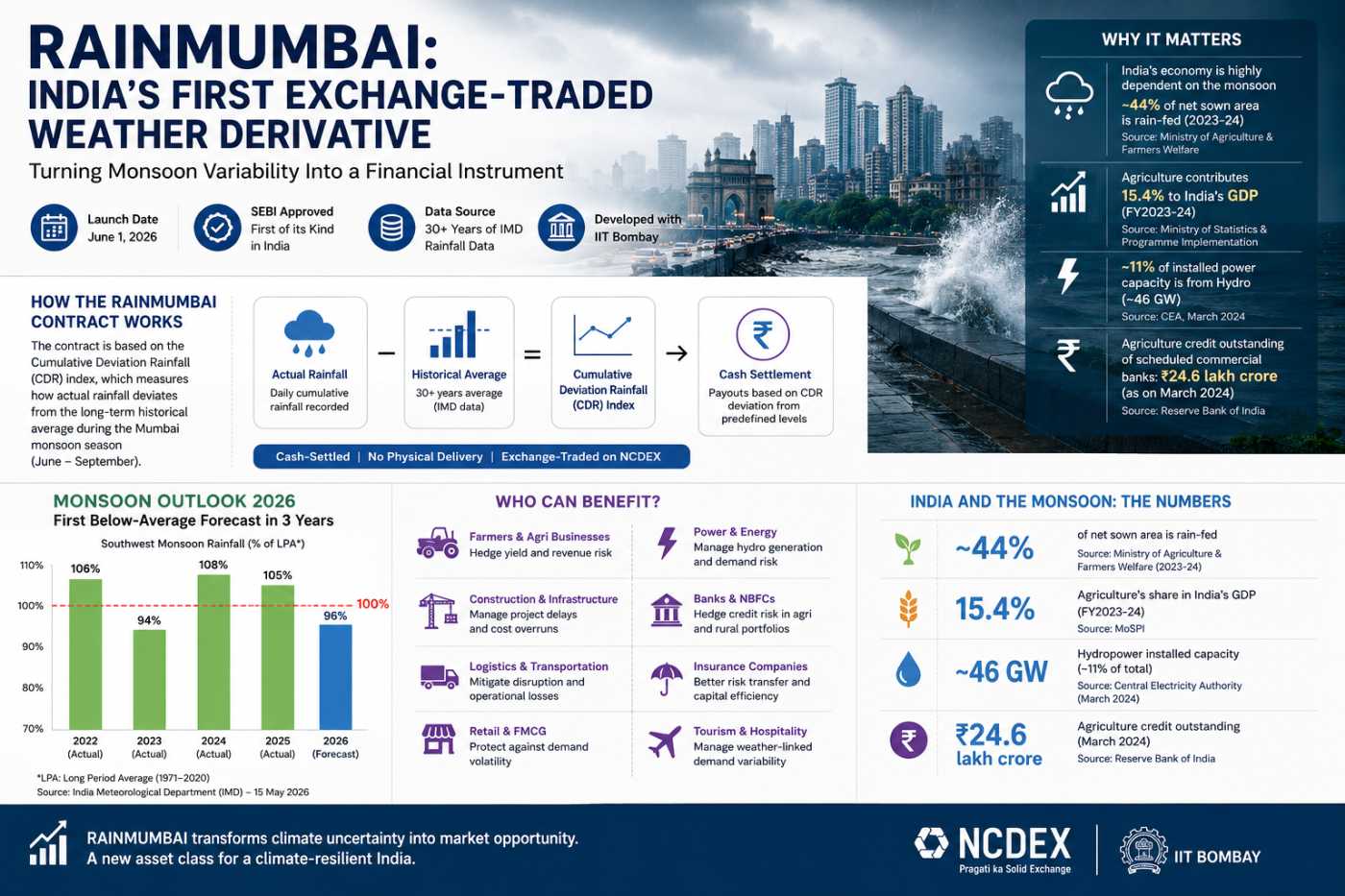
RAINMUMBAI Turns Rain Into a Financial Asset

India’s IT Sector Faces a Historic Breaking Point

How Independent Directors Failed Rs 2,500 Crore in Value