

Why Oman Is Now India's Most Strategic Trade Partner

Infrastructure Bet Fuels Cement Surge

Apollo FY26: When Healthcare Becomes a Flywheel
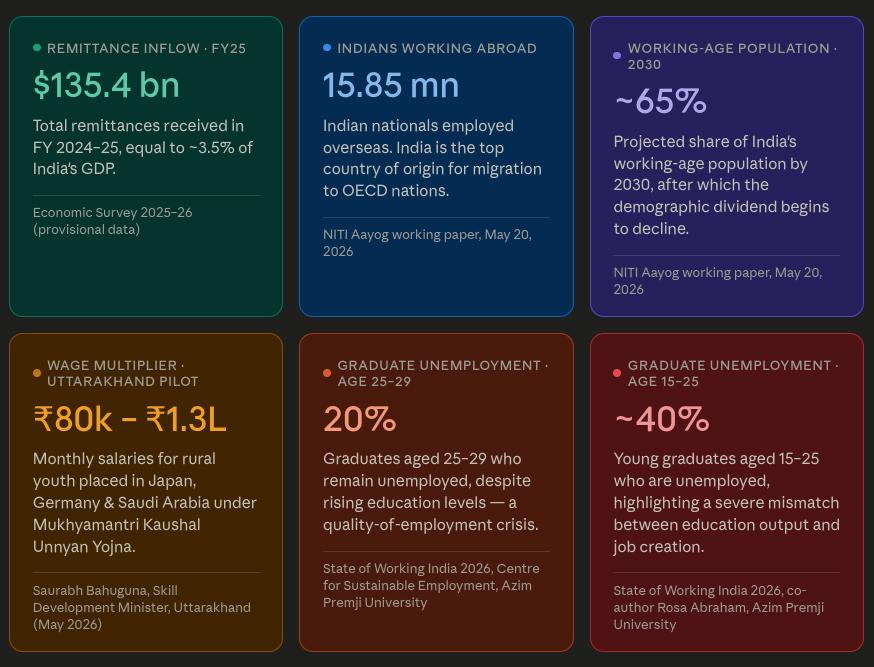
NITI Blueprint Could Turn Brain Drain Into $135Bn Engine
Technicals for Infosys Limited



Price Summary
Infosys Limited's stock opened at 1242.1 on 2026-06-03, surged to 1249.9, dropped to 1216.0, and ended -1.57% down at 1222.6, with 18530359 shares traded.The peak price for the stock in the past 52 weeks is 1689.8, with the lowest price being 1095.0.
Technicals
Support and Resistance: The current price of 1222.6 for INFY finds support at 1177.0 and resistance at 1275.5. These levels define a range in which the price might oscillate, with 1177.0 as a potential support and 1275.5 as a resistance level.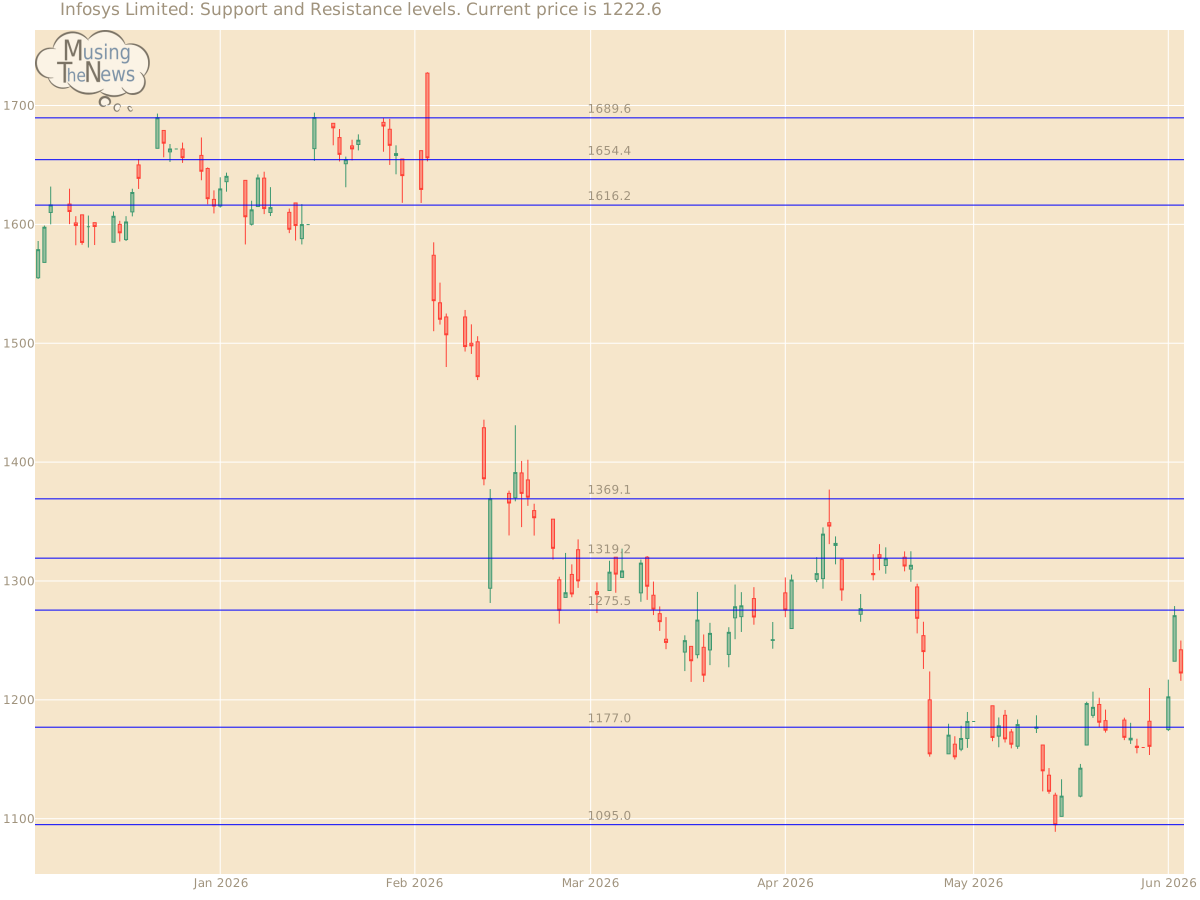
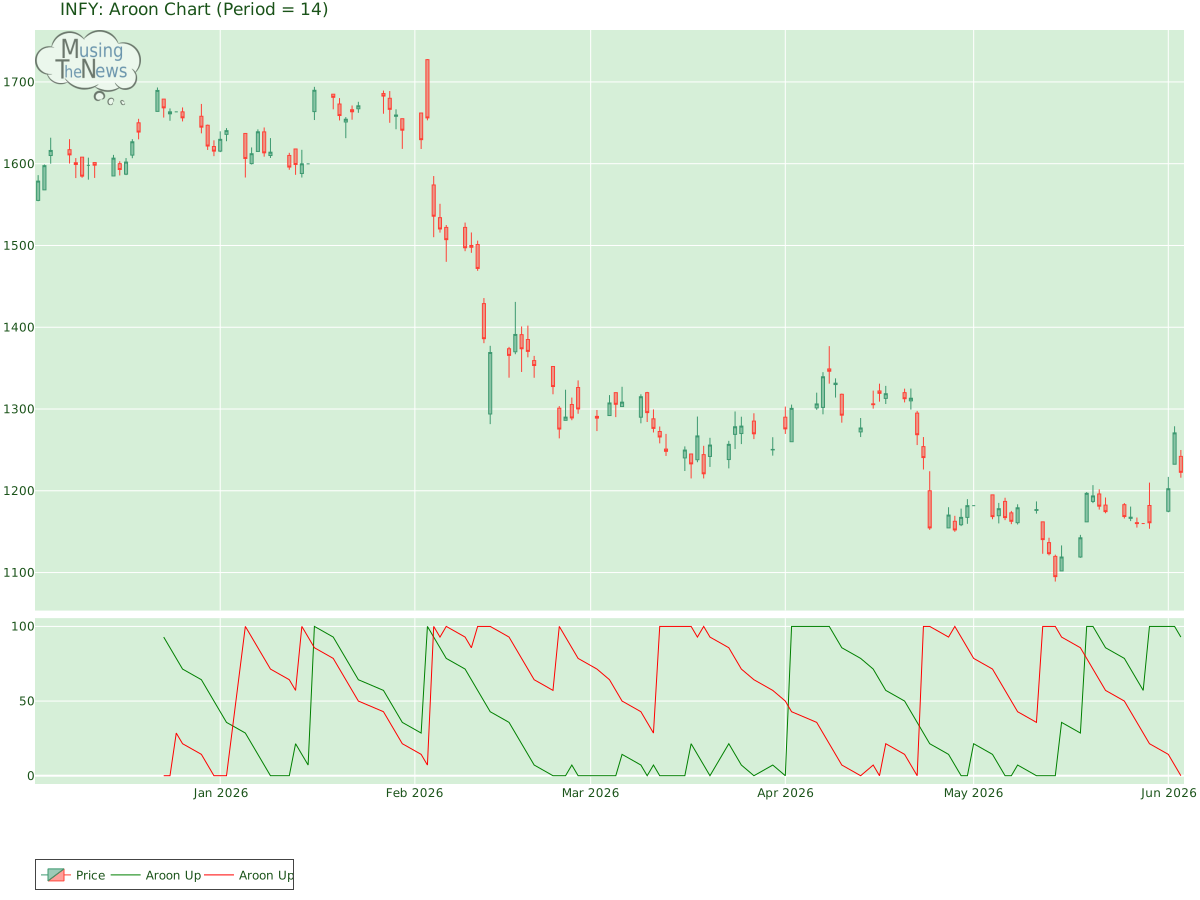
Aroon: The current state of the AROON is neutral, with no clear trend direction indicated. This lack of directional bias suggests that the market may be in a phase of consolidation or uncertainty.
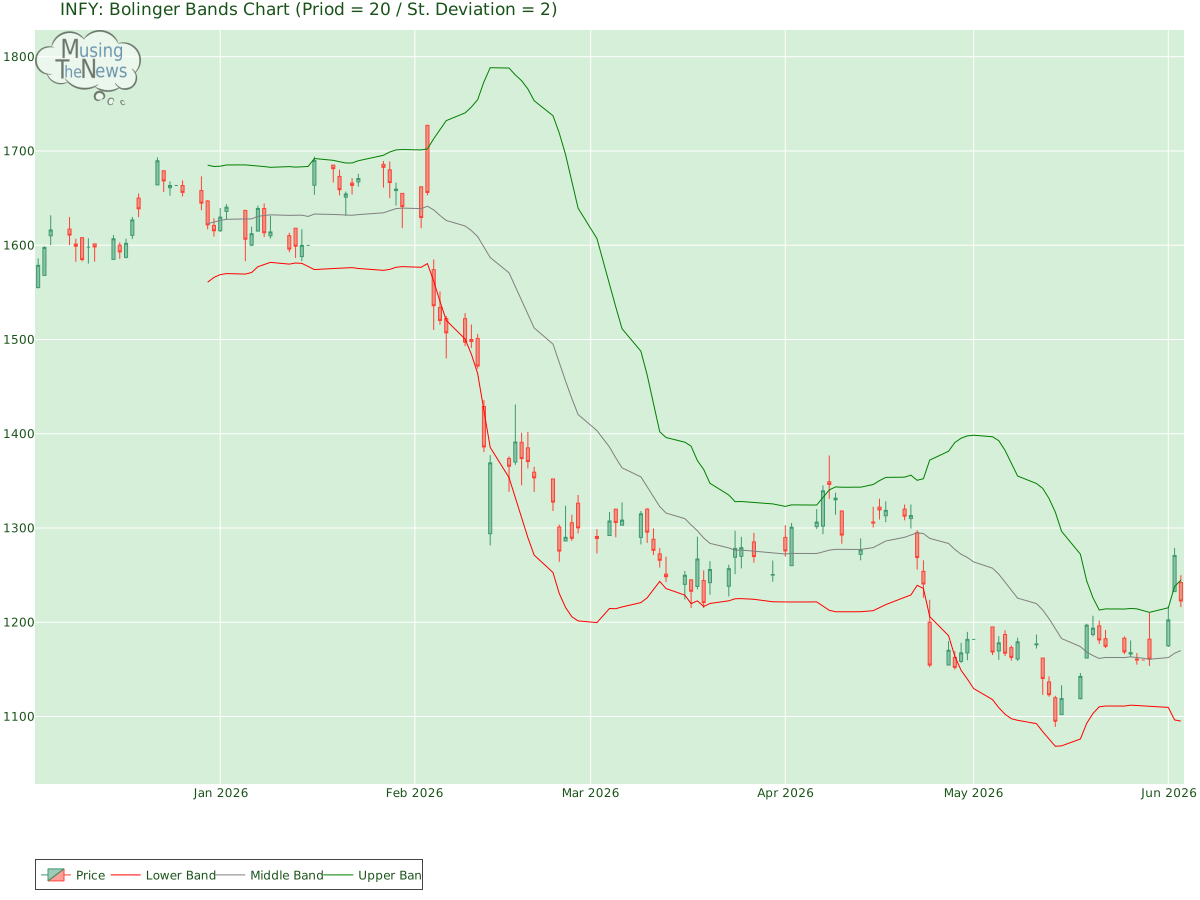
Bol. Bands: The BOLL BANDS is showing a neutral reading, with no clear direction indicated for upward or downward movement. This neutral position suggests a possible period of consolidation.
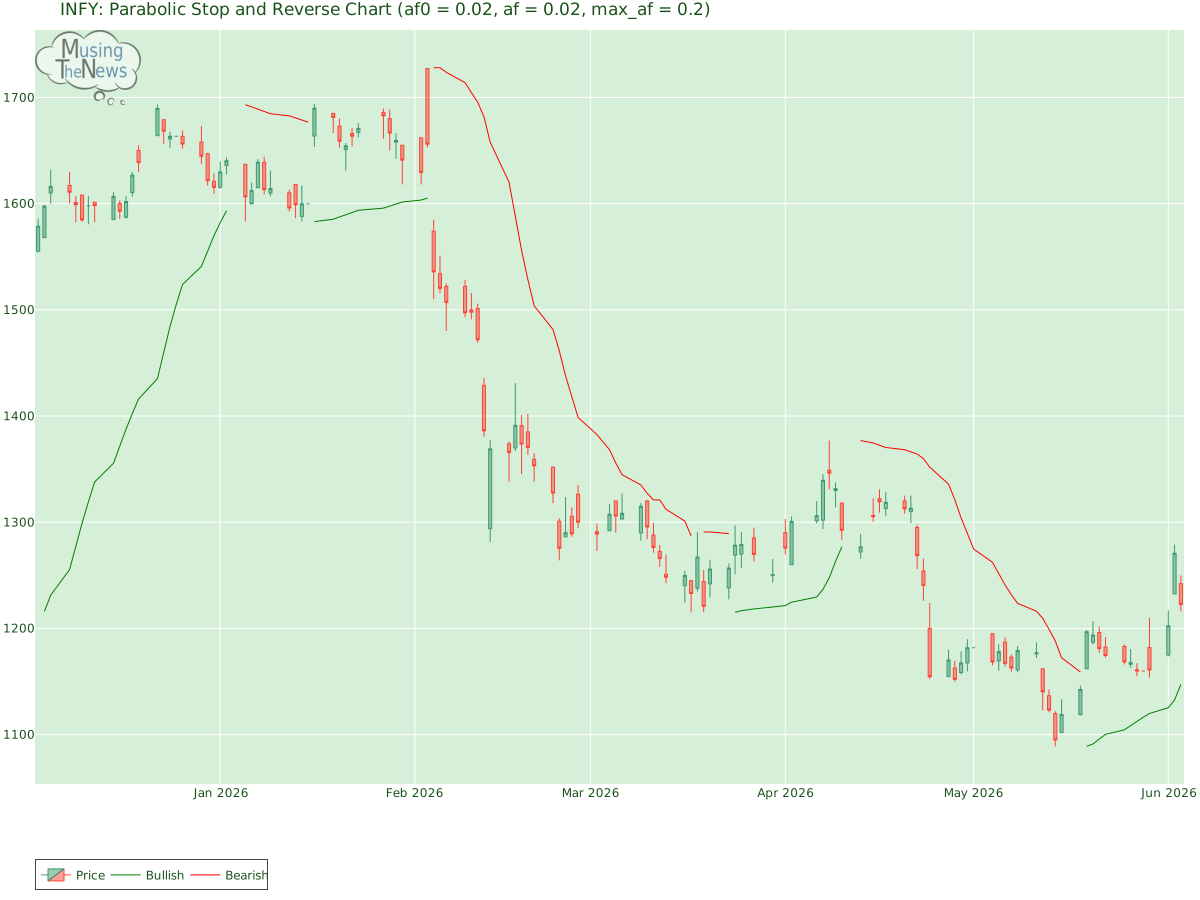
Parabolic SAR: The PSAR maintains its bullish stance, setting a significant support level that could help sustain the market's upward movement. This strong support suggests that Infosys Limited is likely to continue trending higher, providing investors with confidence in the ongoing bullish momentum.
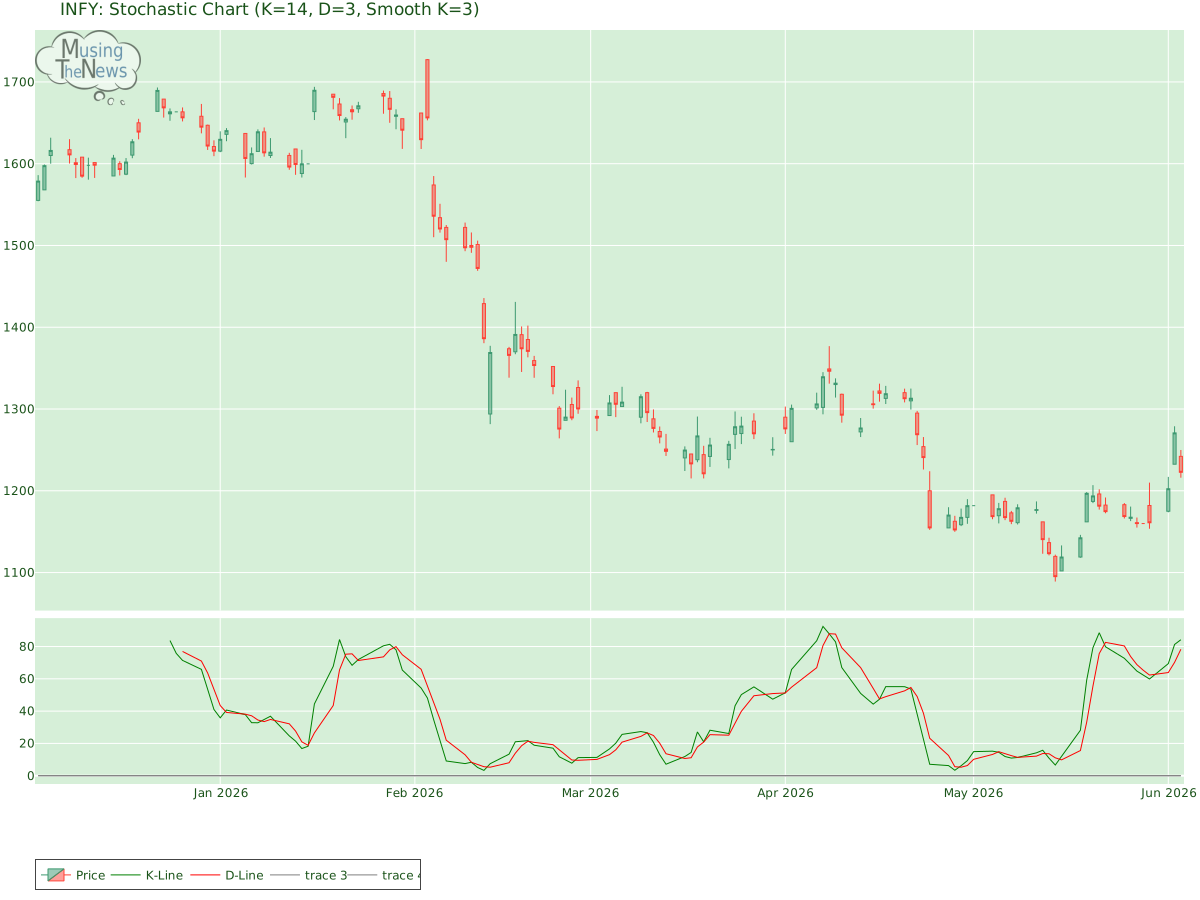
Stochastic: The stochastic indicator for Infosys Limited reflects a bullish sentiment, as the K-line is above both the D-line and the 80 threshold. This setup points to strong upward momentum, implying that the market may continue to rise. Traders could consider this as an indication of sustained bullish activity.
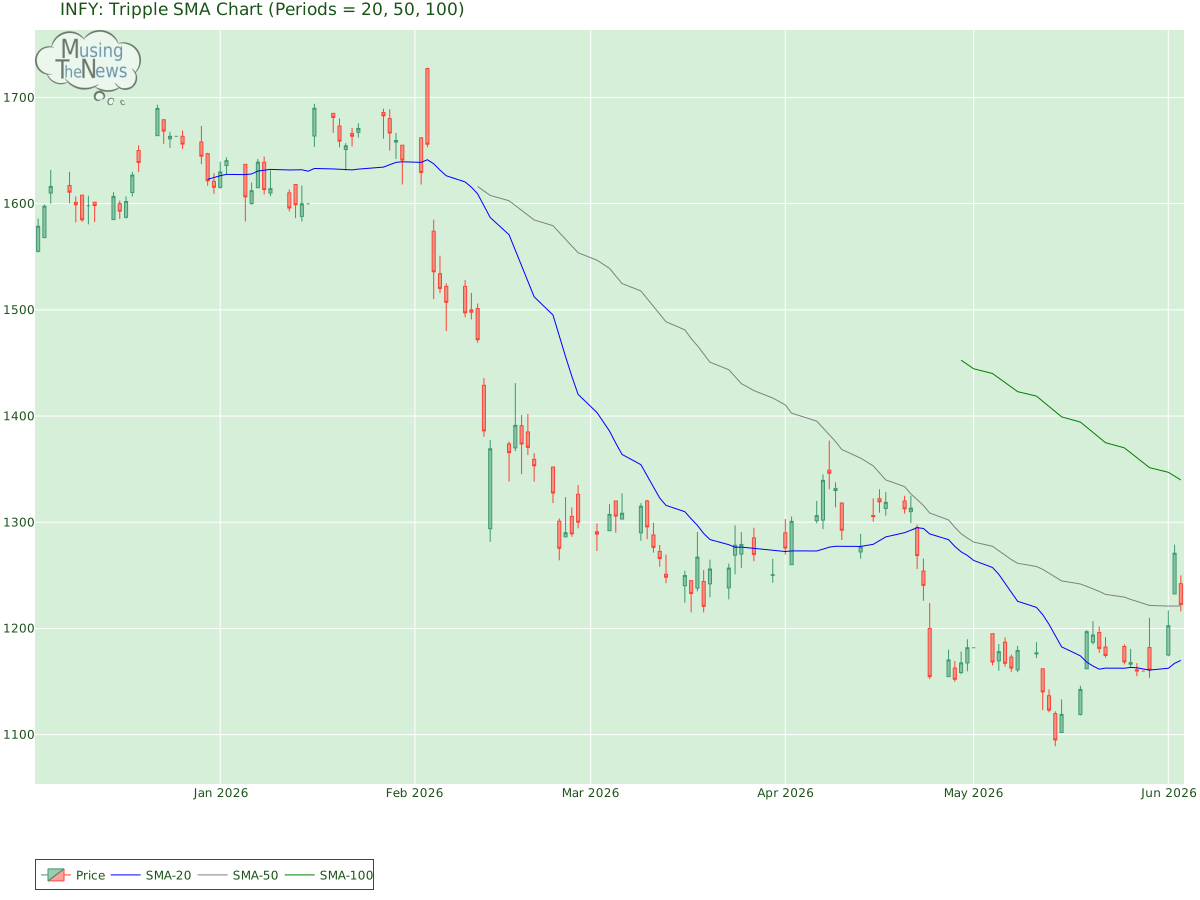
Tripple Moving Agerage: The Tripple MOVING AVG is showing a neutral stance, with no definitive indication of an upward or downward trend for INFY. This neutral position suggests a period of indecision in the market, making it difficult to predict the next move.
Understanding a company's fundamentals—such as revenue, earnings, and debt levels—provides a solid foundation for analyzing its technical performance. Similarly, knowledge of the industry, including key competitors and market trends, is critical. Combining this fundamental analysis with technical indicators like stock charts, moving averages, and trading volume enables a more comprehensive approach to evaluating the company's overall health and potential future performance.
If you have enjoyed reading, spread the word:
Good prospects:
Companies with the best and the worst fundamentals.
Latest Regulatory Filings for NSE500
Companies with the best and the worst technicals.
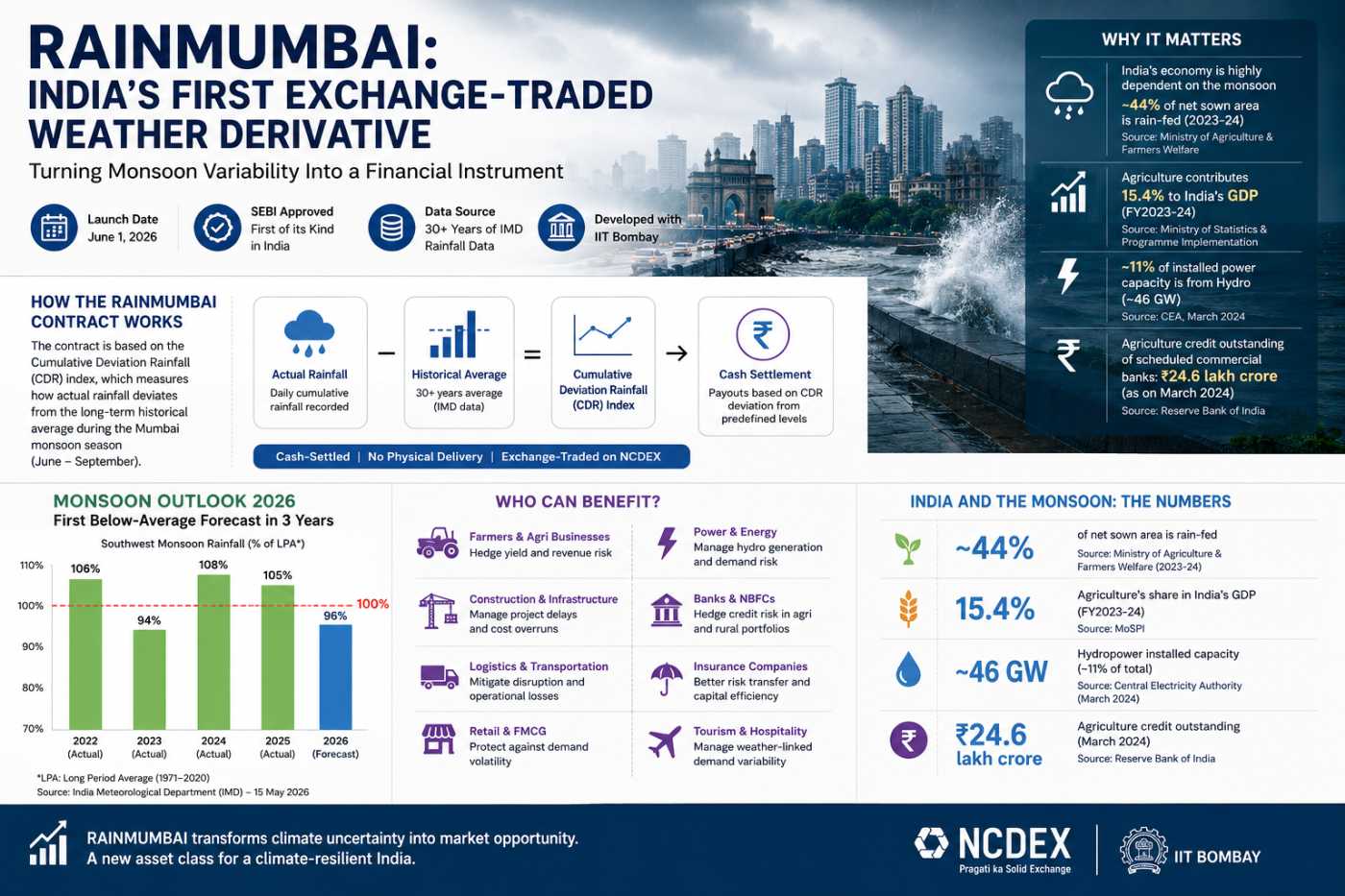
RAINMUMBAI Turns Rain Into a Financial Asset

India’s IT Sector Faces a Historic Breaking Point

How Independent Directors Failed Rs 2,500 Crore in Value