More about IDBI Bank Limited
Fundamentals for IDBI Bank Limited
Regulatory Filings for IDBI Bank Limited

Why Oman Is Now India's Most Strategic Trade Partner

Infrastructure Bet Fuels Cement Surge

Apollo FY26: When Healthcare Becomes a Flywheel
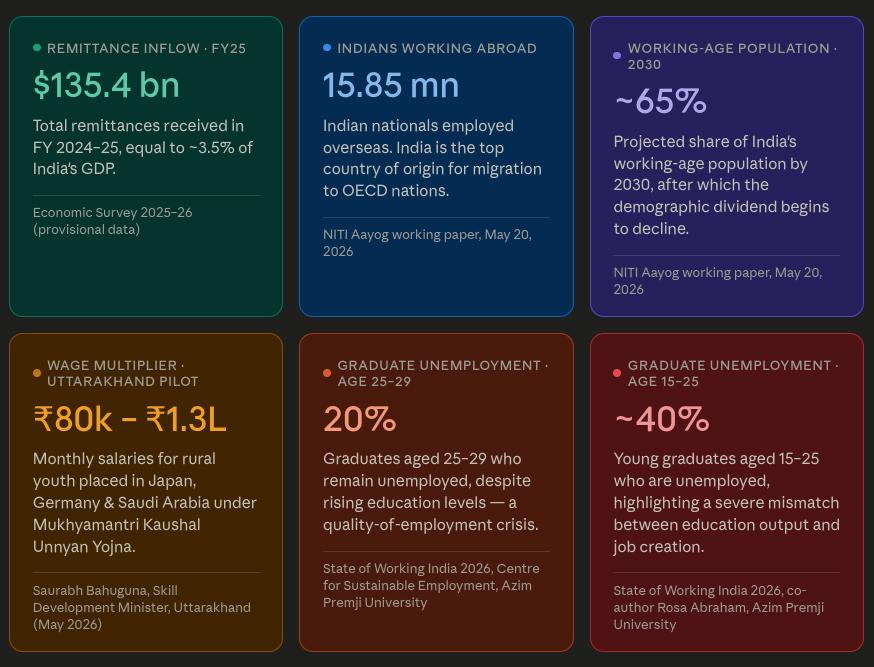
NITI Blueprint Could Turn Brain Drain Into $135Bn Engine
Technicals for IDBI Bank Limited



Price Summary
On 2026-06-03, IDBI Bank Limited's stock started at 73.4, soared to 73.8, dropped to 71.7, and finished the day 0.01% higher at 73.41, with a trading volume of 4849692 shares.For the 52-week period, the stock's highest price is 116.01, and the lowest price is 61.5.
Technicals
Support and Resistance: At 73.41, the price is held up by support at 69.5 and faces resistance at 74.72 for IDBI. This suggests a trading range where 69.5 provides a base and 74.72 limits upward movement.
Aroon: The AROON is currently neutral, showing no clear bias toward an upward or downward trend. This suggests that the market may be in a phase of indecision or consolidation.

Bol. Bands: The BOLL BANDS is showing a neutral stance, with no definitive indication of an upward or downward trend for IDBI. This neutral position suggests a period of indecision in the market, making it difficult to predict the next move.

Parabolic SAR: The PSAR maintains its bullish stance, setting a significant support level that could help sustain the market's upward movement. This strong support suggests that IDBI Bank Limited is likely to continue trending higher, providing investors with confidence in the ongoing bullish momentum.

Stochastic: The STOCHASTIC is currently neutral, showing no clear bias toward an upward or downward trend. This suggests that the market may be in a phase of indecision or consolidation.

Tripple Moving Agerage: The current reading of the Tripple MOVING AVG indicator suggests a neutral stance, with no clear signals indicating an upward or downward direction. This lack of directional bias suggests the market may be in a period of consolidation or uncertainty.

A thorough analysis of a company involves looking at both its fundamentals and technical data. The fundamentals, including revenue, profitability, and management quality, offer insight into the company's long-term value. Additionally, understanding the broader industry context, such as market competition and regulatory challenges, helps to better interpret the company's stock performance. By combining both fundamental and technical analysis, you can derive more meaningful inferences about the company's future prospects.
If you have enjoyed reading, spread the word:
Good prospects:
Companies with the best and the worst fundamentals.
Latest Regulatory Filings for NSE500
Companies with the best and the worst technicals.
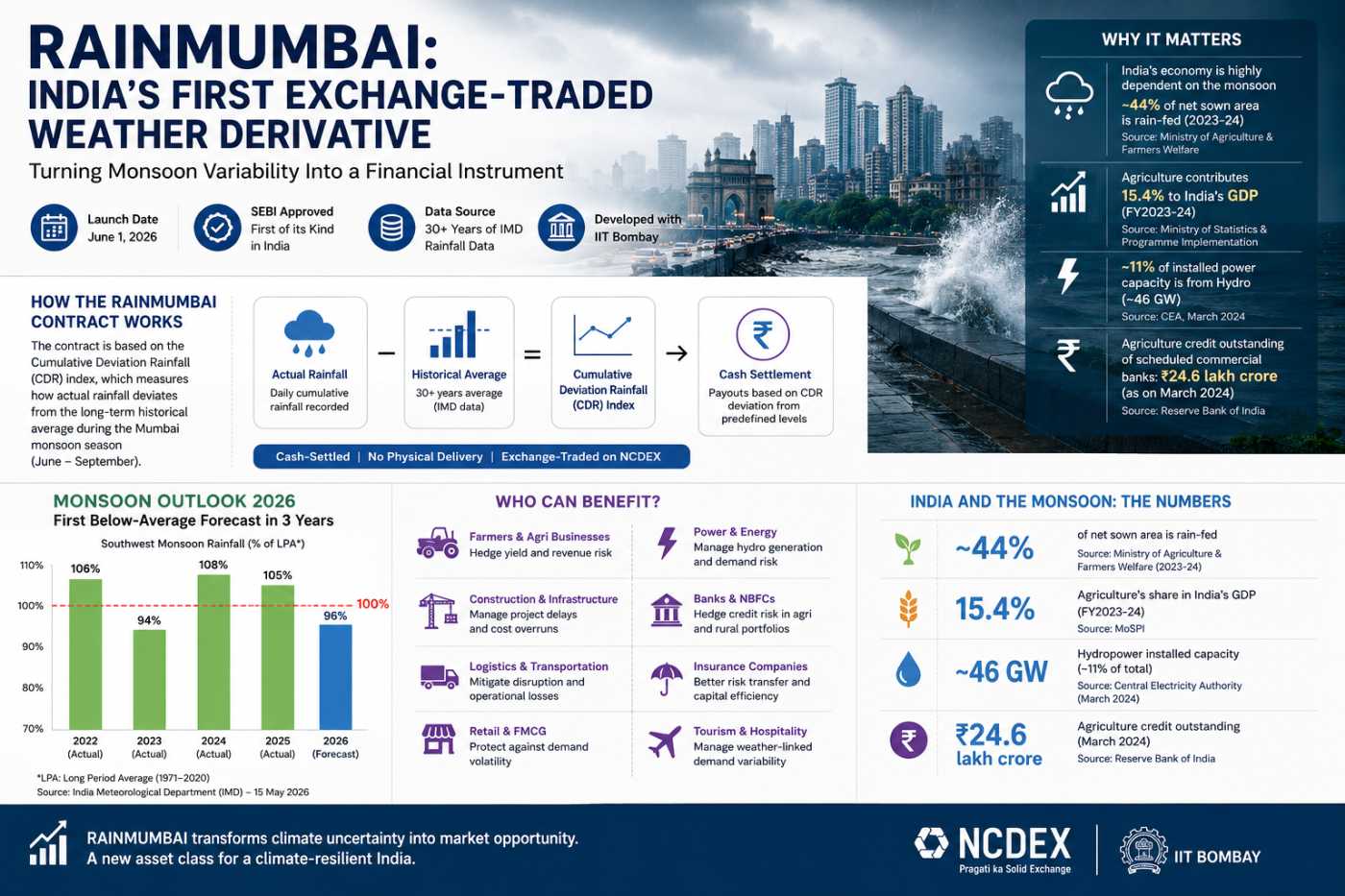
RAINMUMBAI Turns Rain Into a Financial Asset

India’s IT Sector Faces a Historic Breaking Point

How Independent Directors Failed Rs 2,500 Crore in Value