More about ICICI Prudential Life Insurance Company Limited
Fundamentals for ICICI Prudential Life Insurance Company Limited
Regulatory Filings for ICICI Prudential Life Insurance Company Limited

Why Oman Is Now India's Most Strategic Trade Partner

Infrastructure Bet Fuels Cement Surge

Apollo FY26: When Healthcare Becomes a Flywheel
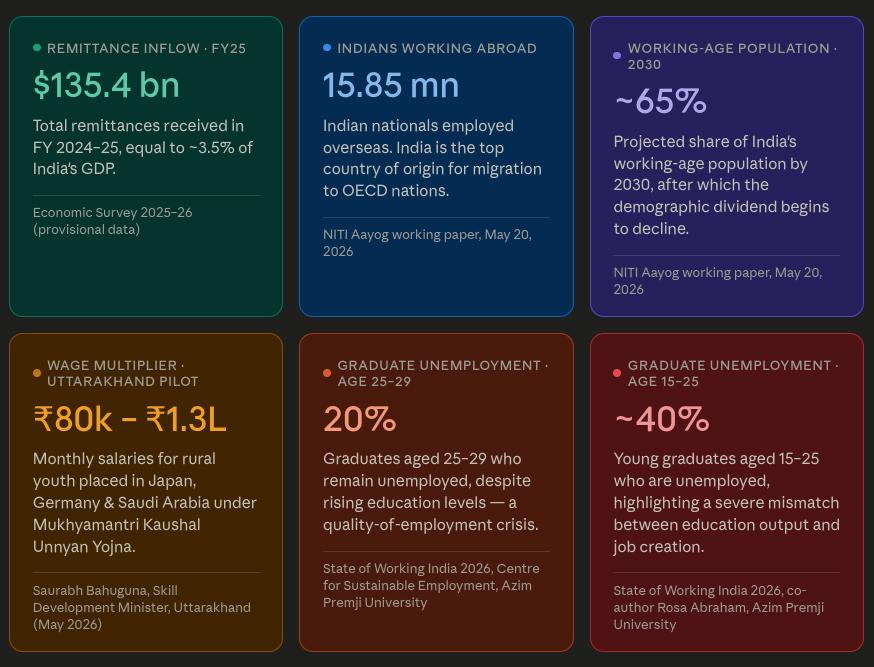
NITI Blueprint Could Turn Brain Drain Into $135Bn Engine
Technicals for ICICI Prudential Life Insurance Company Limited



Price Summary
On 2026-06-03, ICICIPRULI's stock began at 483.0, peaked at 483.05, dipped to 473.05, and closed up -1.26% at 476.9, with a volume of 856829 shares.Over the past year, the stock's highest price was 688.45, and its lowest was 476.9.
Technicals
Aroon: The continuation of Aroon's bearish trend, with Aroon Down still at the 100 level, indicates strong bearish pressure. However, further analysis with additional indicators is essential to better understand the trend's potential impact on the market.

Bol. Bands: The BOLL BANDS is currently in a neutral position, offering no clear indication of movement up or down. This suggests that the market may be experiencing a period of equilibrium, with no strong trend in play.

Parabolic SAR: The PSAR continues its bearish trend for ICICI Prudential Life Insurance Company Limited, setting a resistance level that could hinder upward momentum. This resistance suggests that the market may face challenges in breaking higher, reflecting persistent bearish sentiment.

Stochastic: The Stochastic K-line is now positioned below both the D-line and the 20 level, reflecting a mildly bearish outlook. This suggests that the market could see some downward pressure, but the bearish signal is not yet strong. Traders should be cautious and watch for additional developments.

Tripple Moving Agerage: The moving averages for ICICIPRULI for the 20-50-100 periods point to a bullish trend, but the slopes of the faster averages suggest this strength may be waning. The potential for a reversal is becoming apparent, as the shorter-term averages indicate that the upward momentum could be weakening, signaling a possible trend change.

In order to draw meaningful inferences from a company's technical data, it is essential to first consider its fundamentals. This includes reviewing financial metrics like revenue, profit margins, and debt-to-equity ratios. Additionally, understanding the broader industry landscape, including market trends and competitive pressures, is crucial. By integrating these insights with the company's technical performance, such as stock price fluctuations and trading volume, one can make more informed investment decisions.
If you have enjoyed reading, spread the word:
Good prospects:
Companies with the best and the worst fundamentals.
Latest Regulatory Filings for NSE500
Companies with the best and the worst technicals.
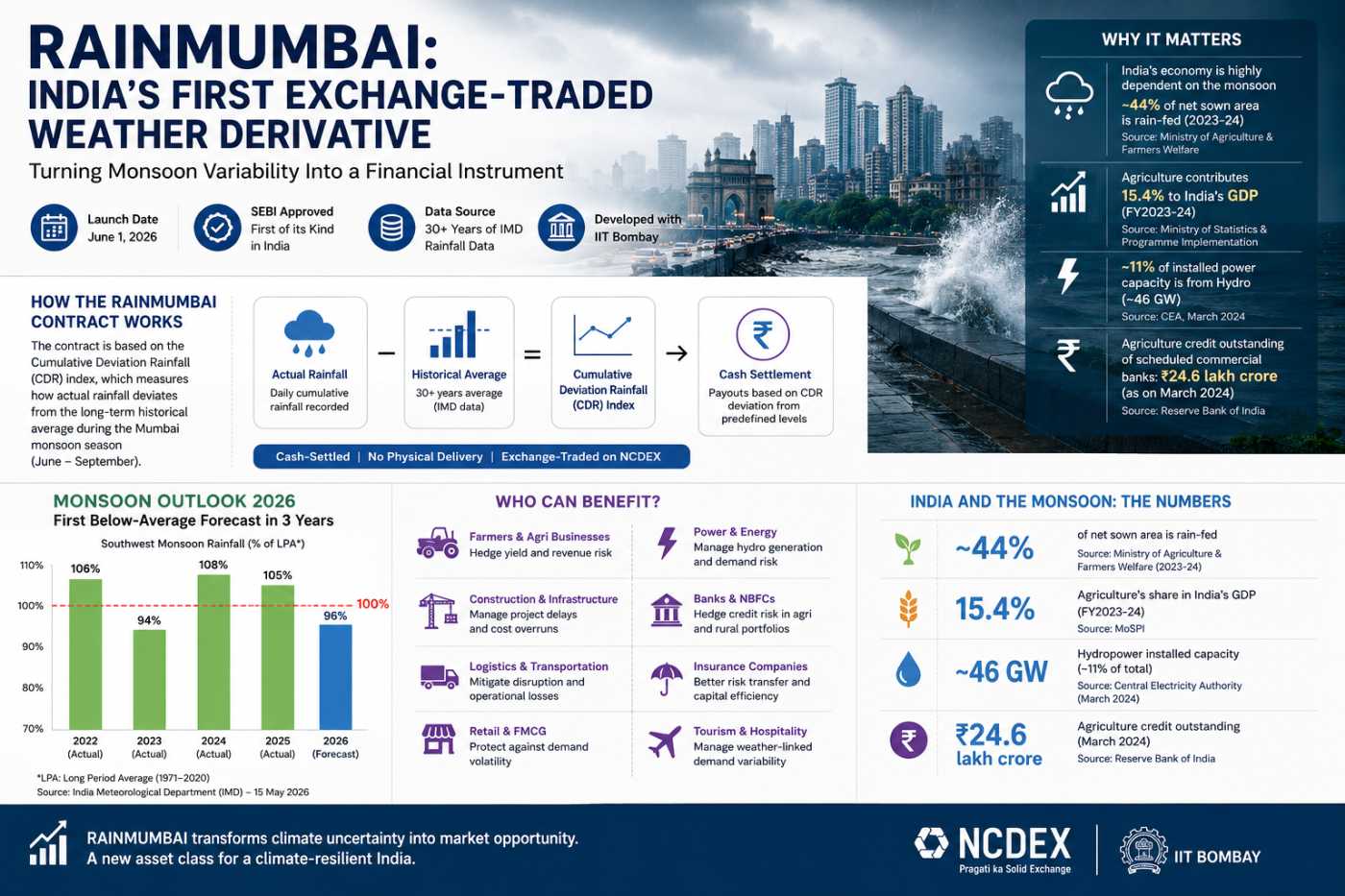
RAINMUMBAI Turns Rain Into a Financial Asset

India’s IT Sector Faces a Historic Breaking Point

How Independent Directors Failed Rs 2,500 Crore in Value