
More about Hindustan Unilever Limited
Fundamentals for Hindustan Unilever Limited
Regulatory Filings for Hindustan Unilever Limited

Why Oman Is Now India's Most Strategic Trade Partner

Infrastructure Bet Fuels Cement Surge

Apollo FY26: When Healthcare Becomes a Flywheel
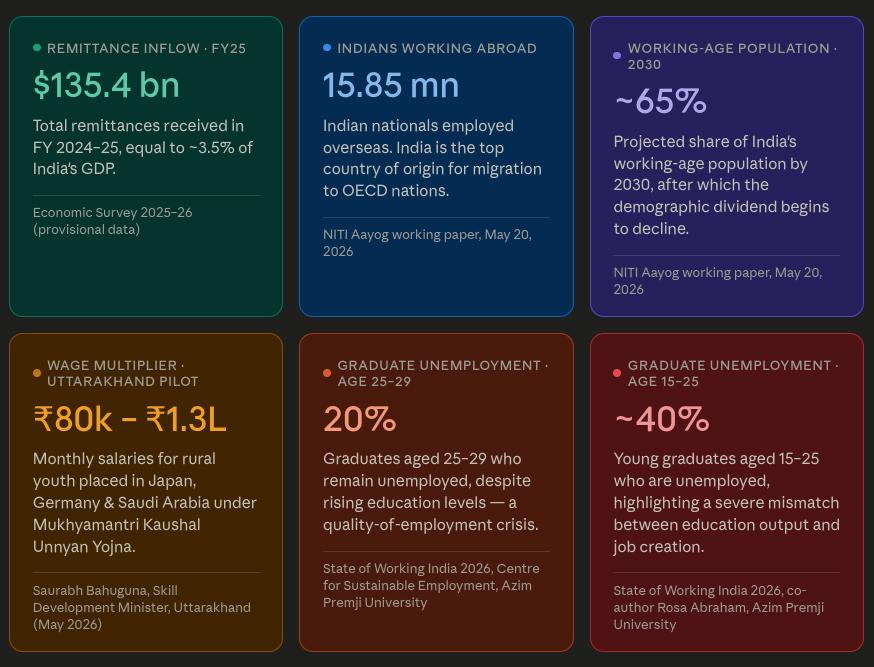
NITI Blueprint Could Turn Brain Drain Into $135Bn Engine
Technicals for Hindustan Unilever Limited



Price Summary
Hindustan Unilever Limited's stock opened at 2092.0 on 2026-06-03, surged to a high of 2099.6, hit a low of 2072.2, and closed up -0.07% at 2090.6, with 1544881 shares traded.Throughout the 52-week period, the stock hit a high of 2692.6 and a low of 2052.2.
Technicals
Support and Resistance: The price for HINDUNILVR is 2090.6, with support at 2052.2 and resistance at 2136.9. This suggests a range where 2052.2 acts as a base, preventing declines, and 2136.9 caps gains, defining key trading levels.
Aroon: The AROON is showing a neutral stance, not indicating a clear upward or downward trend for Hindustan Unilever Limited. This suggests a period of market balance, where neither side is showing dominance.

Bol. Bands: The BOLL BANDS is currently neutral, offering no clear guidance on market direction. This suggests that the market may be in a state of pause, with no strong trend emerging.

Parabolic SAR: The PSAR for HINDUNILVR remains bearish, establishing a key resistance level that could hinder upward movement. This ongoing bearish outlook suggests that the market may face challenges in breaking higher, with the resistance level acting as a barrier to potential gains.

Stochastic: The Stochastic K-line's descent below the D-line and under 20 suggests a mildly bearish outlook for HINDUNILVR. This indicates that the market may face some pressure to the downside, though the bearish tone is moderate. Investors should consider this as a potential early warning sign.

Tripple Moving Agerage: The Tripple MOVING AVG is neutral, showing no definitive signals of a trend either upward or downward. This neutral stance indicates a period of market indecision, where the direction is unclear.

Before diving into the technical aspects of a company, such as stock price charts or volume trends, it's important to understand its fundamentals. These fundamentals include financial stability, growth potential, and strategic positioning. Additionally, knowing the broader industry landscape, including competitive pressures and regulatory factors, offers deeper insights. When this fundamental analysis is combined with technical indicators, it leads to more informed, accurate evaluations of the company's overall performance.
If you have enjoyed reading, spread the word:
Good prospects:
Companies with the best and the worst fundamentals.
Latest Regulatory Filings for NSE500
Companies with the best and the worst technicals.
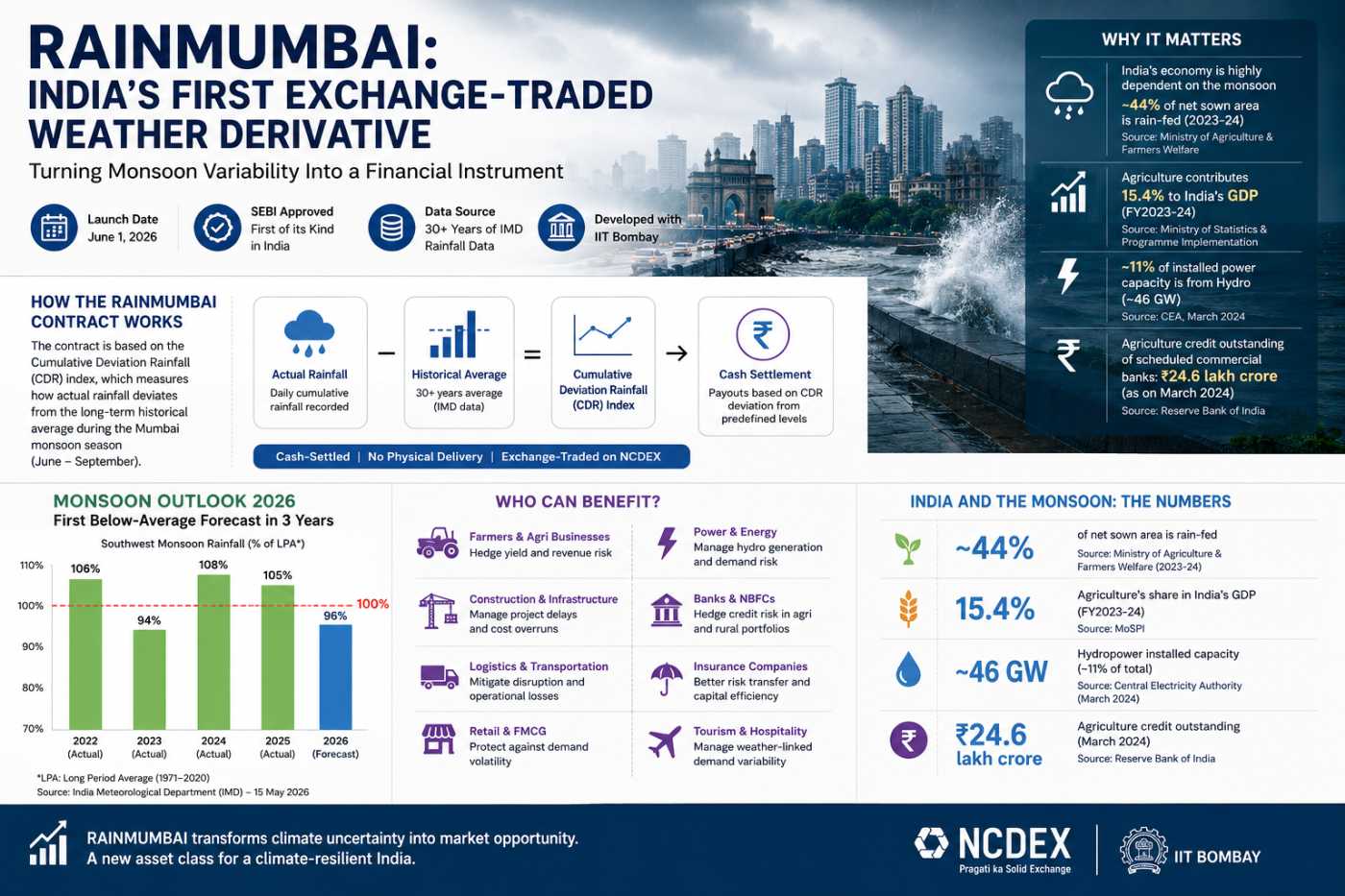
RAINMUMBAI Turns Rain Into a Financial Asset

India’s IT Sector Faces a Historic Breaking Point

How Independent Directors Failed Rs 2,500 Crore in Value