More about HDFC Life Insurance Company Limited
Fundamentals for HDFC Life Insurance Company Limited
Regulatory Filings for HDFC Life Insurance Company Limited

Apollo FY26: When Healthcare Becomes a Flywheel
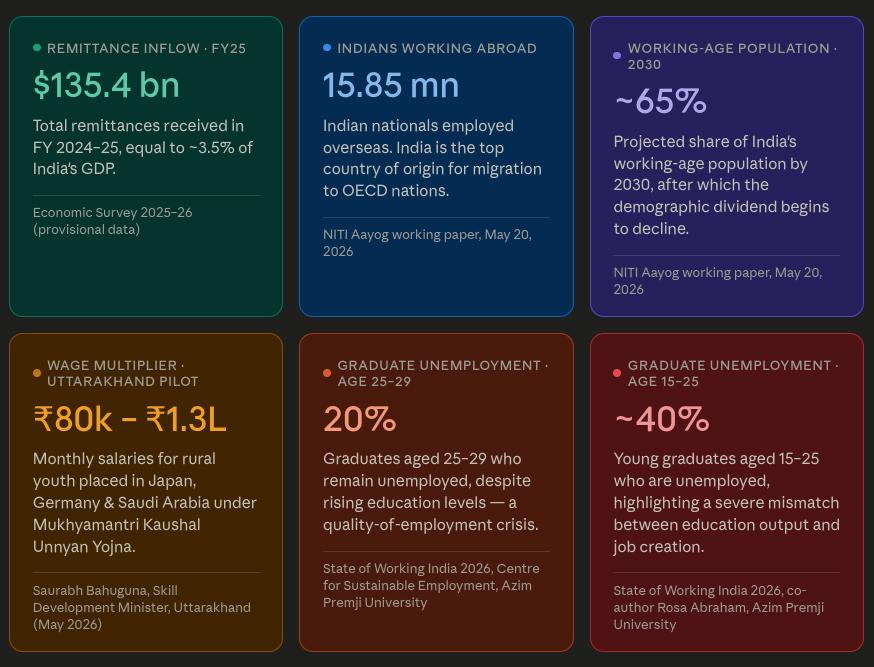
NITI Blueprint Could Turn Brain Drain Into $135Bn Engine
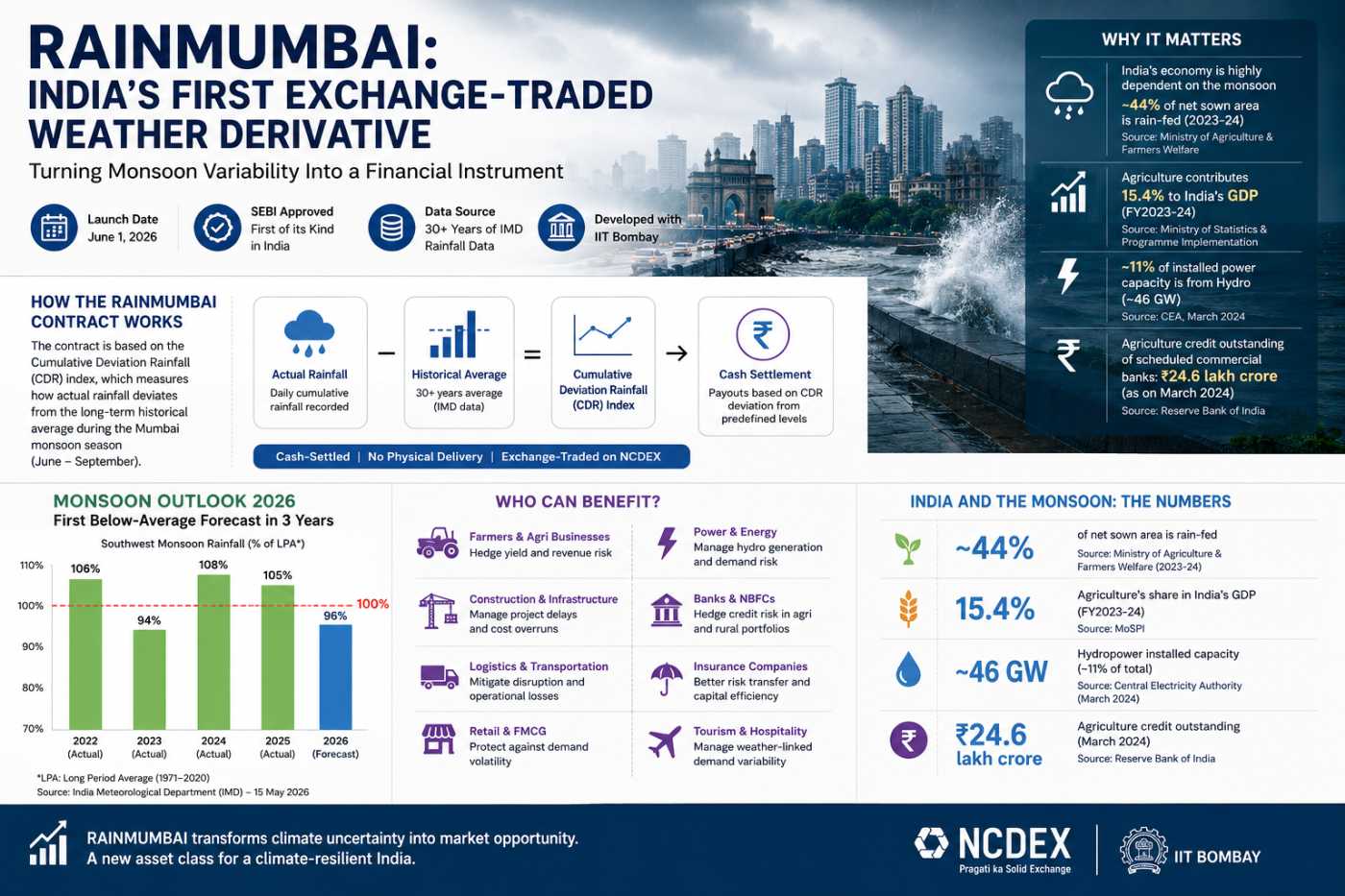
RAINMUMBAI Turns Rain Into a Financial Asset

India’s IT Sector Faces a Historic Breaking Point
Fundamentals for HDFC Life Insurance Company Limited



|fundrankingplaceholder|
|techrankingplaceholder|
Business Operations:
Sector: Financial ServicesIndustry: Insurance - Life
HDFC Life Insurance Company Limited provides individual and group insurance solutions in India. It offers insurance and investment products, such as protection, pension, savings, investment, annuity, and health, as well as term, retirement, children, and unit linked insurance plans. The company was formerly known as HDFC Standard Life Insurance Company Limited changed its name to HDFC Life Insurance Company Limited in January 2019. HDFC Life Insurance Company Limited was incorporated in 2000 and is headquartered in Mumbai, India. HDFC Life Insurance Company Limited is a subsidiary of HDFC Bank Limited.
Revenue projections:
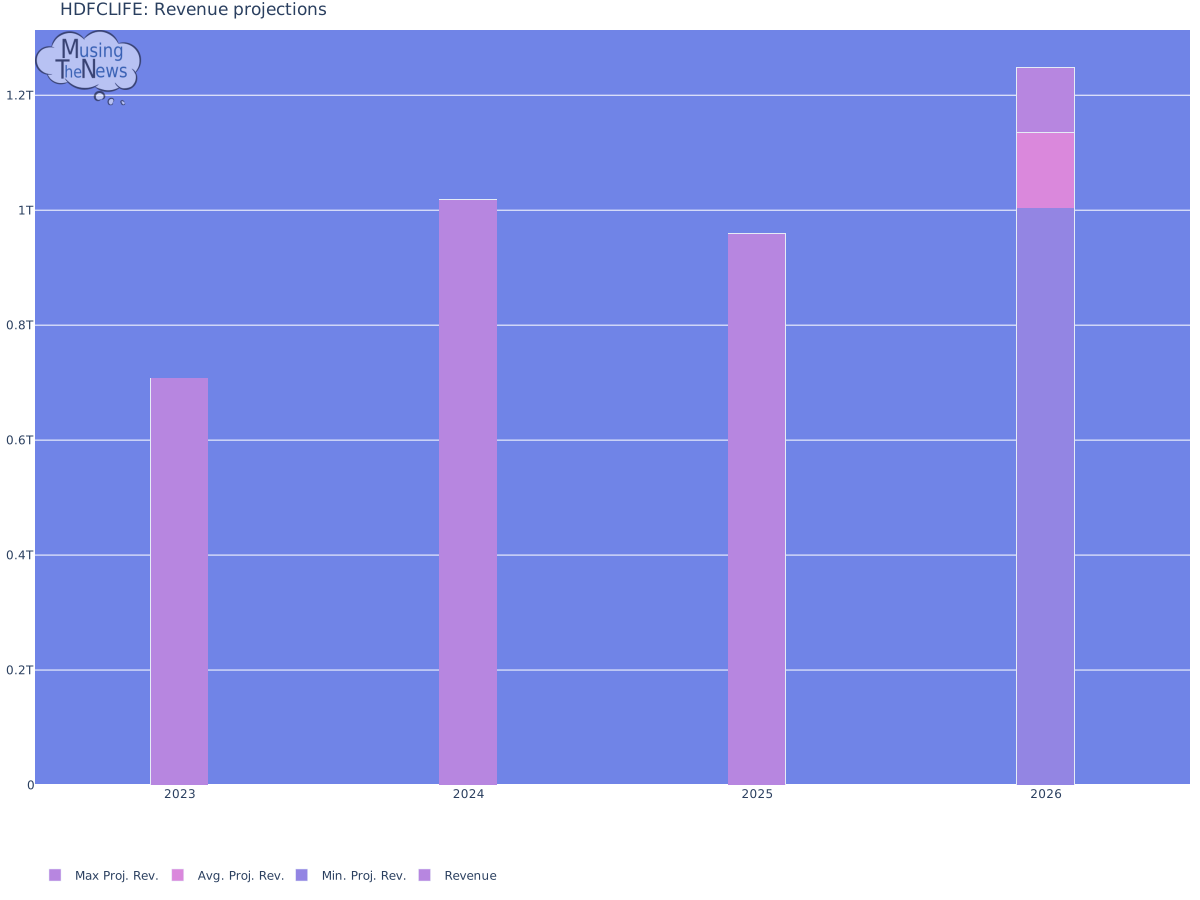
HDFCLIFE's revenue projections indicate a decrease from last year's performance, which could lead to investor caution. A fall in revenue is likely to negatively impact the company's profitability, causing concern for shareholders who may view this as a signal of declining financial health.
Financial Ratios:
| currentRatio | 1.029000 |
|---|---|
| forwardPE | 50.477158 |
| debtToEquity | 17.460000 |
| earningsGrowth | 0.041000 |
| revenueGrowth | -0.177000 |
| grossMargins | 0.104100 |
| operatingMargins | 0.026900 |
| trailingEps | 8.870000 |
| forwardEps | 12.260000 |
HDFC Life Insurance Company Limited's current ratio of 1.029 means the company has enough liquidity to meet its short-term debt obligations. With sufficient cash reserves and current assets, HDFC Life Insurance Company Limited can comfortably cover its liabilities, reflecting a strong financial outlook.
HDFCLIFE's forward PE is elevated, which may cap future price gains and even lead to a price correction. This overvaluation risk highlights the importance of considering this metric carefully in combination with other fundamental indicators to evaluate the stock properly.
HDFCLIFE's low Debt-to-Equity ratio shows that the company avoids excessive reliance on debt, reducing financial risk. This suggests a more secure financial position with less vulnerability to debt-related risks, making HDFCLIFE a stable and conservative investment.
HDFCLIFE's low earnings and revenue growth highlight a potential decline in profitability. This suggests that the company's financial health may be weakening, and profits could shrink as a result.
HDFCLIFE's negative gross and operating margins highlight potential financial struggles, as the company is not covering its production or operational expenses. This could lead to broader concerns about its ability to achieve profitability.
HDFCLIFE's forward EPS exceeding its trailing EPS means that the company is expected to increase profitability in the current financial year. This reflects improved earnings potential, signaling that HDFCLIFE is likely to outperform its previous year's financial performance.
Price projections:
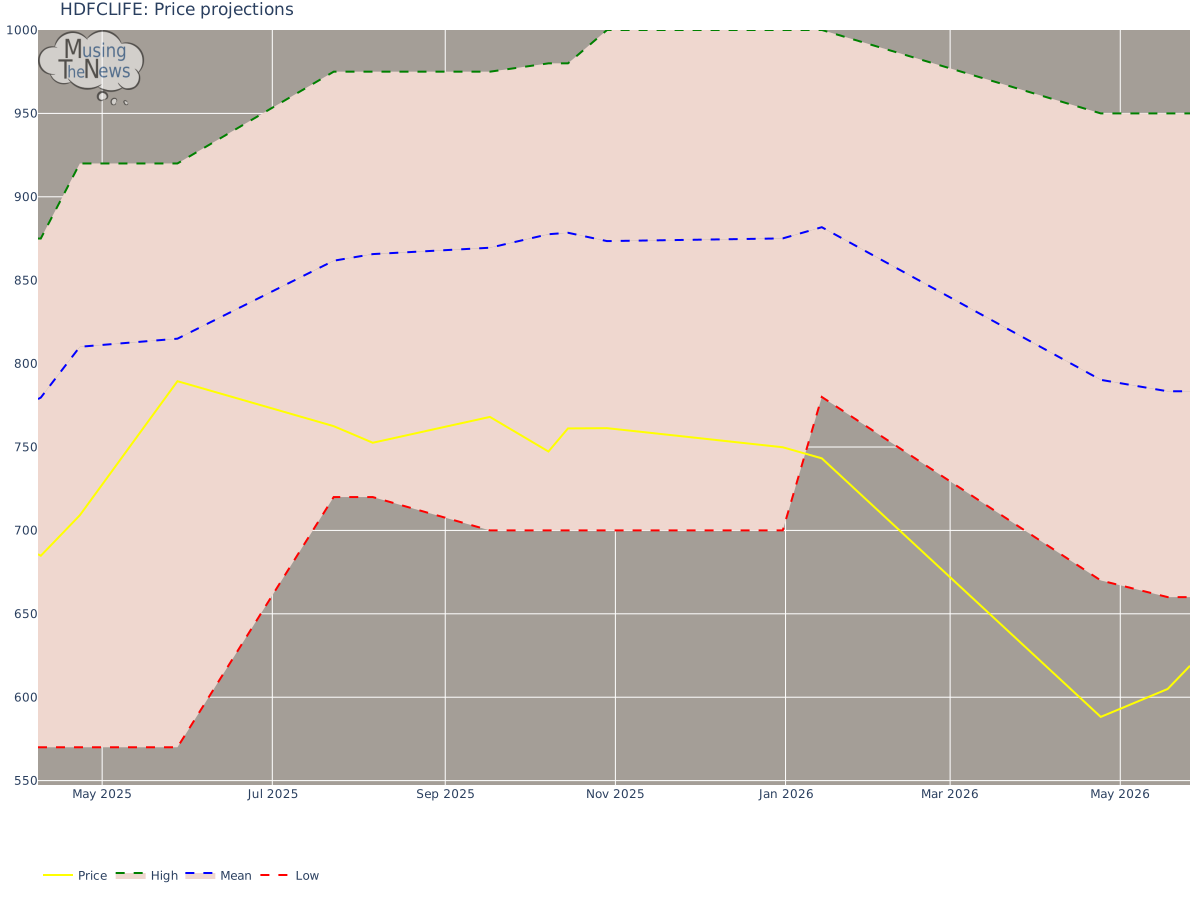
HDFCLIFE's current price shows alignment with projections, offering no clear risks or opportunities. This neutral stance indicates a stable market environment, where investors may prefer to maintain their positions until more compelling information surfaces.
Recommendation changes over time:
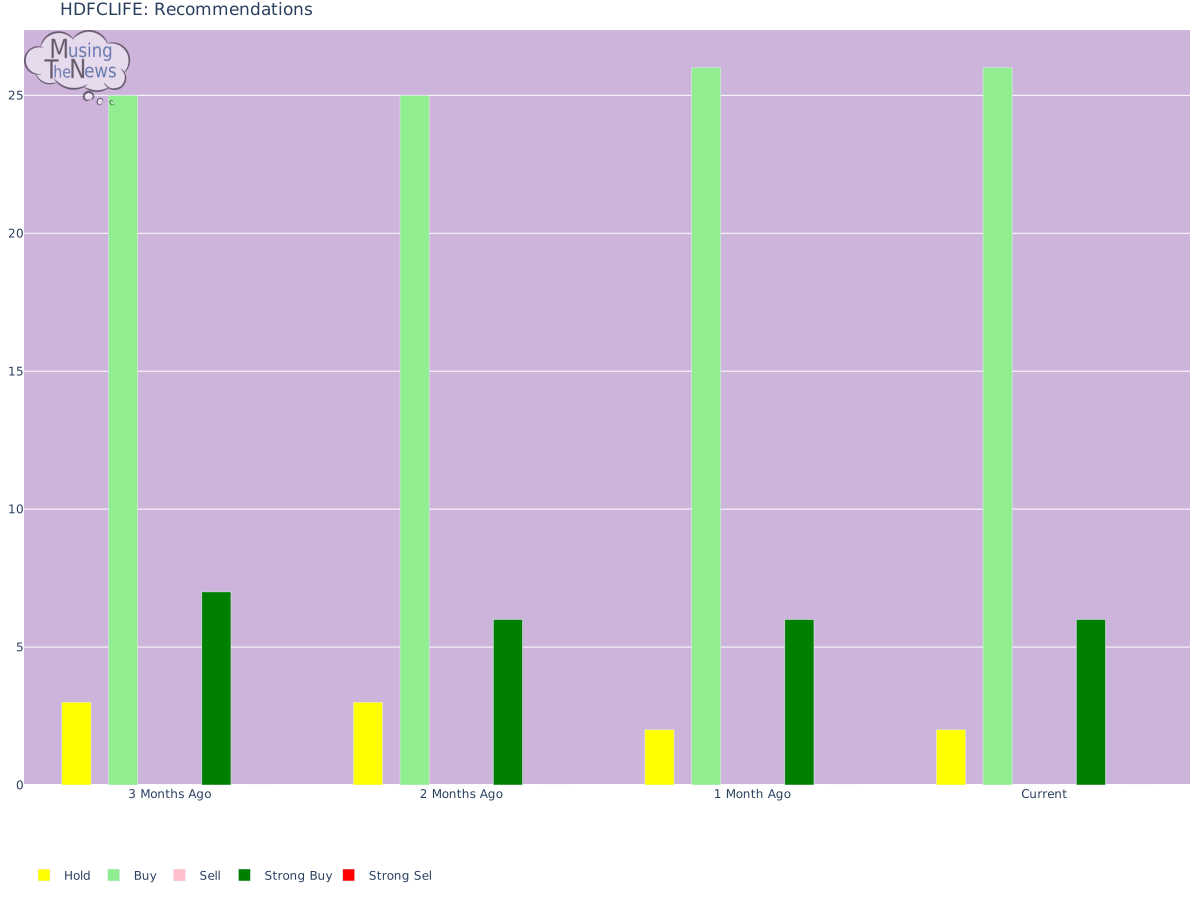
Analysts have been favoring HDFCLIFE with a buy bias recently, signaling a promising investment opportunity. This optimistic outlook may attract more investors, positioning HDFCLIFE as a desirable option for those seeking to invest their money in a stable, profitable company with strong growth potential.
If you have enjoyed reading, spread the word:
Good prospects:
Companies with the best and the worst fundamentals.
Latest Regulatory Filings for NSE500
Companies with the best and the worst technicals.

How Independent Directors Failed Rs 2,500 Crore in Value
India’s Stock Market May Be Sitting on a Trap

Beyond Sugar: India's Bio-Economy Bets Big on Biofuel