
More about Gillette India Limited
Fundamentals for Gillette India Limited
Regulatory Filings for Gillette India Limited

Why Oman Is Now India's Most Strategic Trade Partner

Infrastructure Bet Fuels Cement Surge

Apollo FY26: When Healthcare Becomes a Flywheel
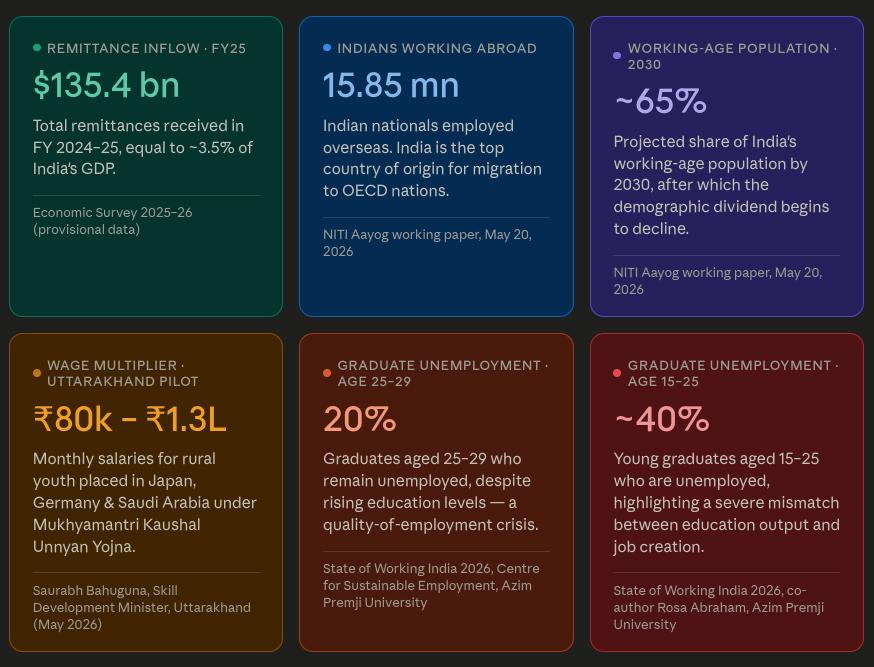
NITI Blueprint Could Turn Brain Drain Into $135Bn Engine
Technicals for Gillette India Limited



Price Summary
On 2026-06-03, Gillette India Limited's stock opened at 7799.0, peaked at 7799.0, hit a low of 7655.0, and closed -1.03% lower at 7719.0, with 12413 shares changing hands.The top price for the stock in the last 52 weeks is 11258.0, with the bottom price being 7253.5.
Technicals
Aroon: The AROON is in a neutral stance, with no clear signals for movement up or down. This neutral position indicates a potential period of consolidation or uncertainty in the market.

Bol. Bands: The current reading of the BOLL BANDS is neutral for GILLETTE, with no clear signals for an upward or downward trend. This indicates that the market may be in a state of uncertainty, with no dominant force driving the direction.

Parabolic SAR: The PSAR has shifted direction from bullish to bearish, indicating a possible trend change. If this reversal is confirmed by other indicators, it could signal a strong bearish trend. Investors should consider this as a warning sign and watch for further confirmation before making any moves.

Stochastic: The Stochastic K-line's position below the D-line and under 20 suggests a mildly bearish market condition. This setup indicates potential downside risk, but the bearish signal is not very strong. Traders should watch for further developments before making any decisions.

Tripple Moving Agerage: The Tripple MOVING AVG is showing a neutral stance, with no definitive indication of an upward or downward trend for GILLETTE. This neutral position suggests a period of indecision in the market, making it difficult to predict the next move.

When analyzing a company, its fundamentals—such as earnings, management efficiency, and strategic initiatives—must be considered alongside technical data. The context of the industry in which the company operates also plays a key role, as market trends and competitive dynamics can significantly impact performance. By taking a comprehensive approach, combining both fundamental and technical analysis, one can gain a deeper understanding of the company's potential for growth or risk.
If you have enjoyed reading, spread the word:
Good prospects:
Companies with the best and the worst fundamentals.
Latest Regulatory Filings for NSE500
Companies with the best and the worst technicals.
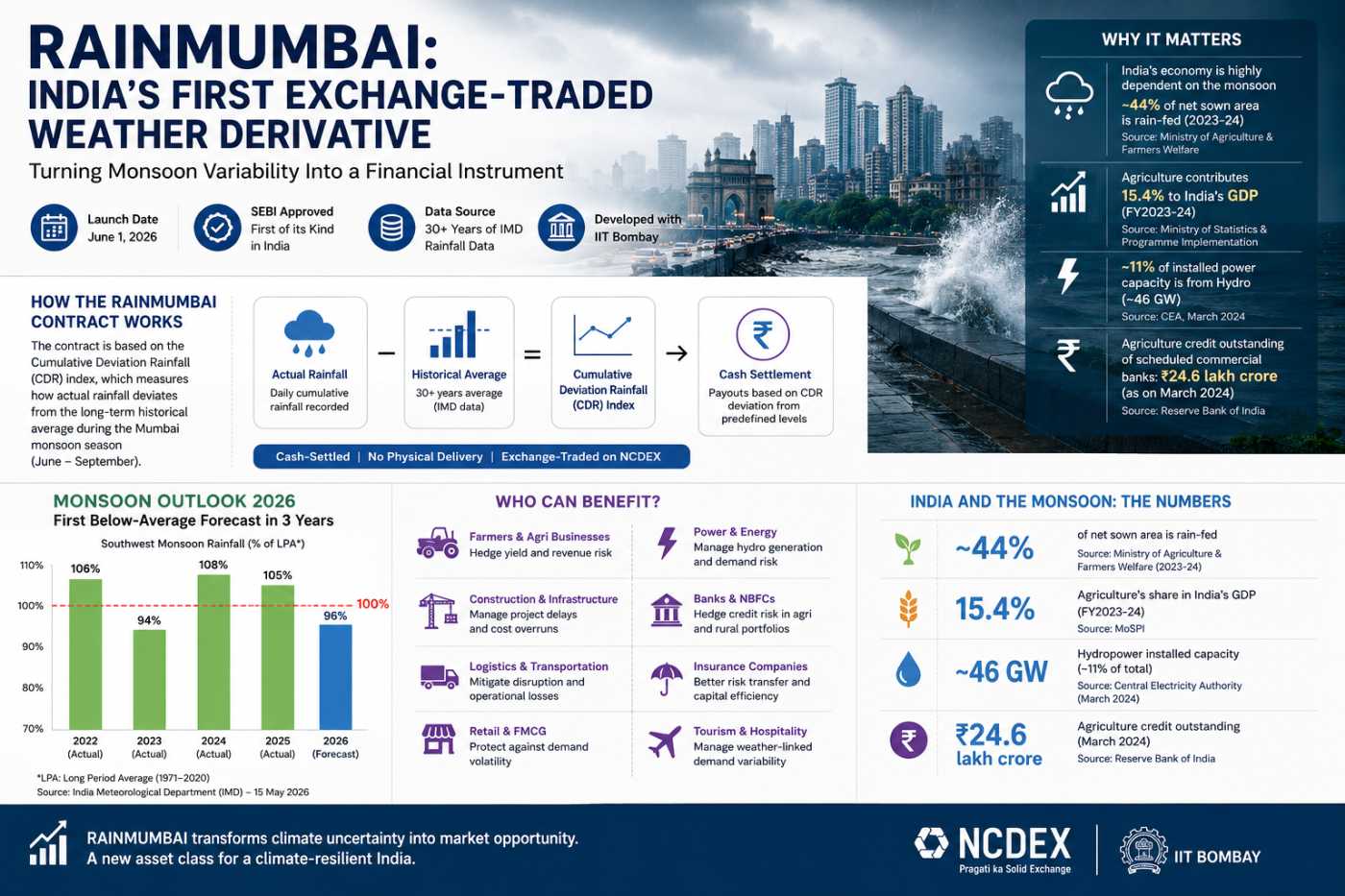
RAINMUMBAI Turns Rain Into a Financial Asset

India’s IT Sector Faces a Historic Breaking Point

How Independent Directors Failed Rs 2,500 Crore in Value