More about Dabur India Limited
Fundamentals for Dabur India Limited
Regulatory Filings for Dabur India Limited

Why Oman Is Now India's Most Strategic Trade Partner

Infrastructure Bet Fuels Cement Surge

Apollo FY26: When Healthcare Becomes a Flywheel
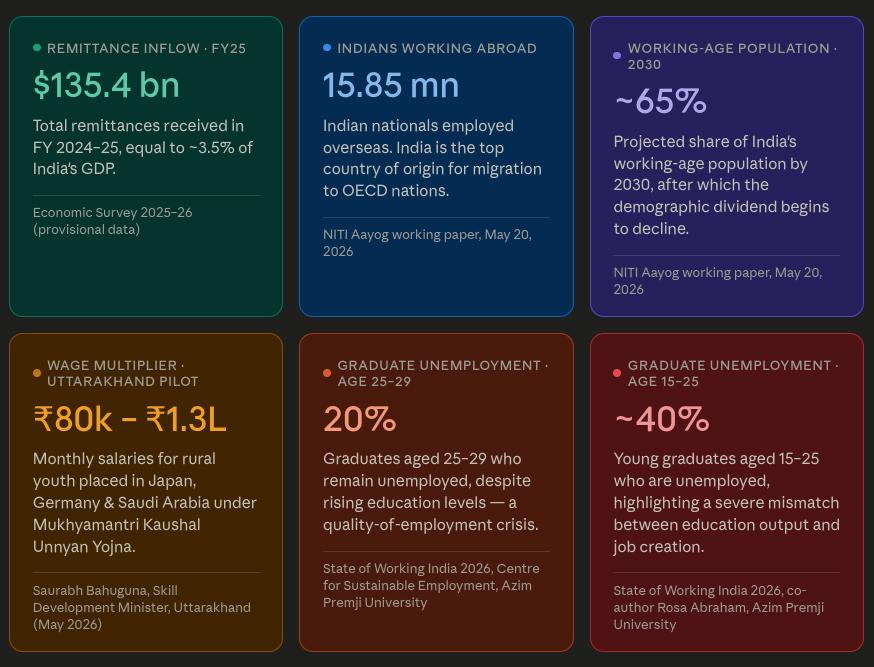
NITI Blueprint Could Turn Brain Drain Into $135Bn Engine
Technicals for Dabur India Limited



Price Summary
On 2026-06-03, Dabur India Limited's stock started at 424.8, soared to 424.8, dropped to 416.0, and finished the day -1.64% down at 417.85, with a trading volume of 3352590 shares.The stock's highest price in the past 52 weeks is 552.7, while its lowest price during the same period is 410.45.
Technicals
Aroon: Aroon's bearish trend remains intact, with Aroon Down consistently at the 100 level. This ongoing downward momentum requires additional analysis using other indicators to assess its potential future effects.

Bol. Bands: The price has crossed under the lower Bollinger Band, indicating a potential oversold condition for DABUR. This downward move reflects intensified selling pressure, suggesting that the market may be continuing its bearish trend. However, a breach of the lower band can also signal a possible reversal, as it often prompts buyers to step in, looking for value at these depressed levels.

Parabolic SAR: The PSAR remains bearish, reinforcing a resistance level that could restrict any upward movement. This resistance indicates that the market may remain under bearish control, with limited potential for gains.

Stochastic: With the Stochastic K-line under the D-line and below 20, the market shows a mildly bearish trend. This positioning suggests that DABUR may face some downside risk, though the bearish signal is not particularly strong. Traders should consider this as a cautious indicator.

Tripple Moving Agerage: The current state of the Tripple MOVING AVG is neutral, providing no clear signals for either an upward or downward movement. This indicates that the market may be in a state of equilibrium, with no strong momentum in either direction.

A thorough analysis of a company involves looking at both its fundamentals and technical data. The fundamentals, including revenue, profitability, and management quality, offer insight into the company's long-term value. Additionally, understanding the broader industry context, such as market competition and regulatory challenges, helps to better interpret the company's stock performance. By combining both fundamental and technical analysis, you can derive more meaningful inferences about the company's future prospects.
If you have enjoyed reading, spread the word:
Good prospects:
Companies with the best and the worst fundamentals.
Latest Regulatory Filings for NSE500
Companies with the best and the worst technicals.
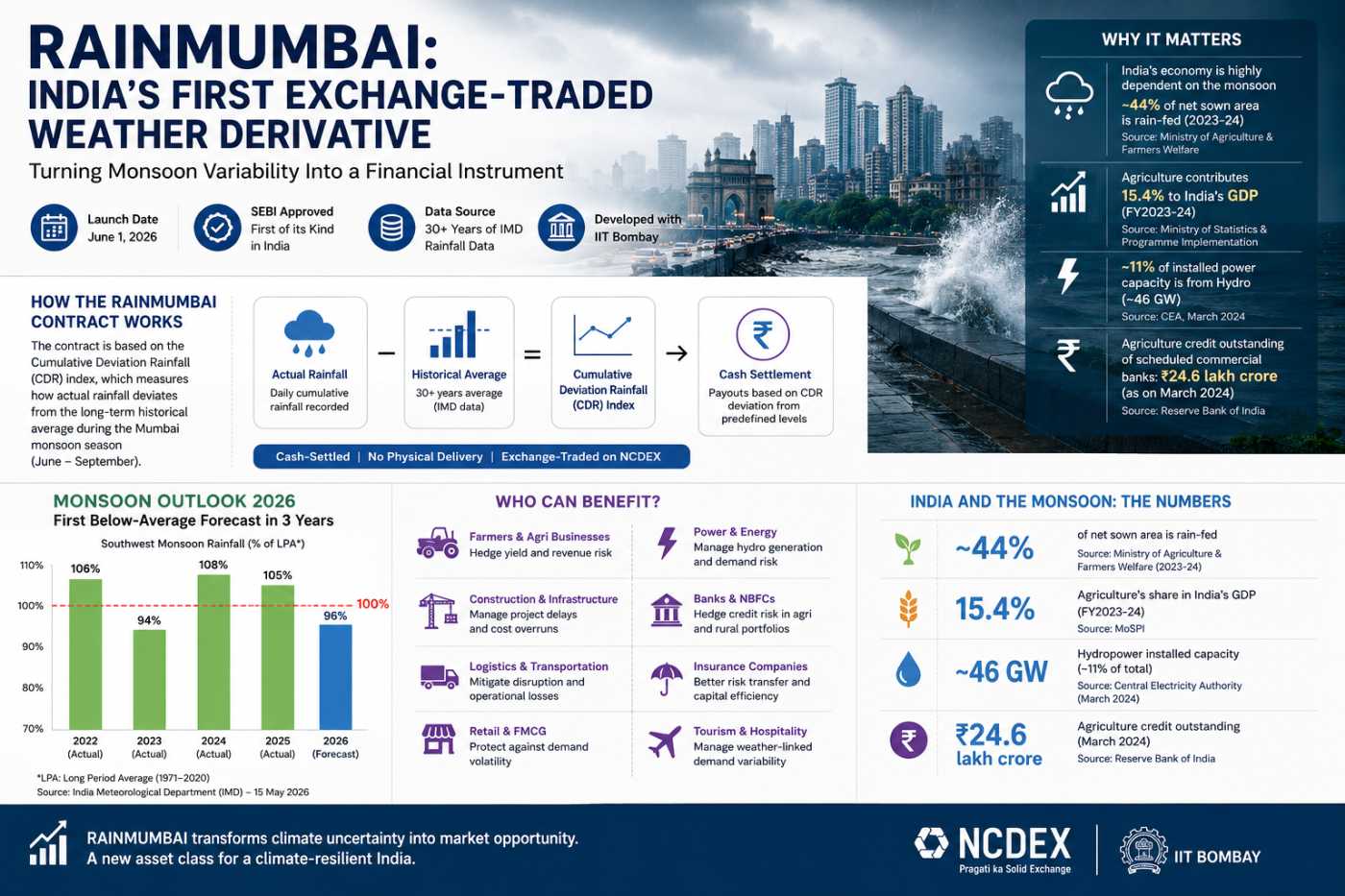
RAINMUMBAI Turns Rain Into a Financial Asset

India’s IT Sector Faces a Historic Breaking Point

How Independent Directors Failed Rs 2,500 Crore in Value