

Why Oman Is Now India's Most Strategic Trade Partner

Infrastructure Bet Fuels Cement Surge

Apollo FY26: When Healthcare Becomes a Flywheel
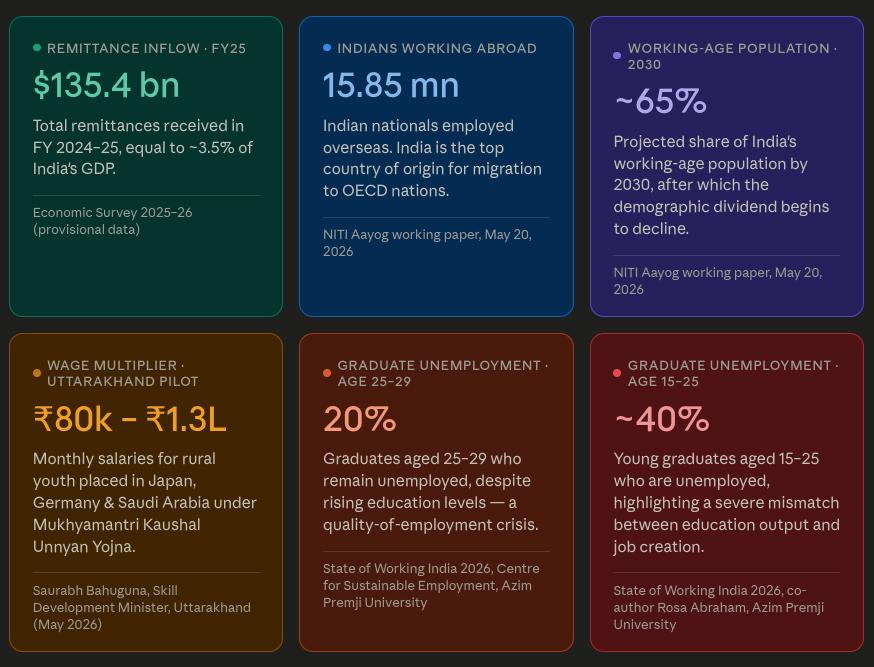
NITI Blueprint Could Turn Brain Drain Into $135Bn Engine
Technicals for CRISIL Limited



Price Summary
CRISIL Limited's stock opened at 3850.0 on 2026-06-03, surged to 3920.8, hit a low of 3808.7, and closed up 0.99% at 3888.3, with 33246 shares traded.The stock's highest value over the last 52 weeks is 6048.0, and the lowest value is 3705.9.
Technicals
Aroon: The continuation of Aroon's bearish trend, with Aroon Down at the 100 level, indicates sustained bearish pressure. However, this trend should be analyzed further alongside other indicators to better understand its long-term implications.

Bol. Bands: The price has crossed above the lower Bollinger Band in the latest move, after previously being positioned below it. This shift suggests that the market may be bouncing back from oversold conditions, potentially signaling a weakening of the bearish trend. The crossover could indicate the beginning of a recovery or a change in momentum, with the market possibly entering a more bullish phase.

Parabolic SAR: The PSAR maintains a bearish outlook for CRISIL, establishing a key resistance level that could limit further gains. This ongoing bearish trend suggests that the market may struggle to overcome this resistance, keeping upward movement subdued.

Stochastic: The stochastic indicator for CRISIL shows the K-line rising above the D-line while remaining below 20, typically signaling the start of a bullish move. This setup suggests that the market may be transitioning from a low point, potentially leading to upward momentum. Investors could see this as a promising entry point for a rally.

Tripple Moving Agerage: A bullish trend is indicated by the alignment of the 20-50-100 period moving averages for CRISIL, but this strength is tempered by the slopes of the faster averages, which hint at a possible reversal. The overall trend remains positive, yet the weakening signals from the shorter-term averages suggest that a change in direction may be imminent.

When assessing a company's technical performance, such as stock price fluctuations and trading volume, it is crucial to first examine its fundamentals. These fundamentals include financial health, profitability, and growth potential. Additionally, understanding the industry's dynamics, including competitive pressures and market trends, is key to contextualizing the company's performance. By integrating these factors, a more comprehensive and meaningful analysis can be conducted, leading to more informed investment decisions.
If you have enjoyed reading, spread the word:
Good prospects:
Companies with the best and the worst fundamentals.
Latest Regulatory Filings for NSE500
Companies with the best and the worst technicals.
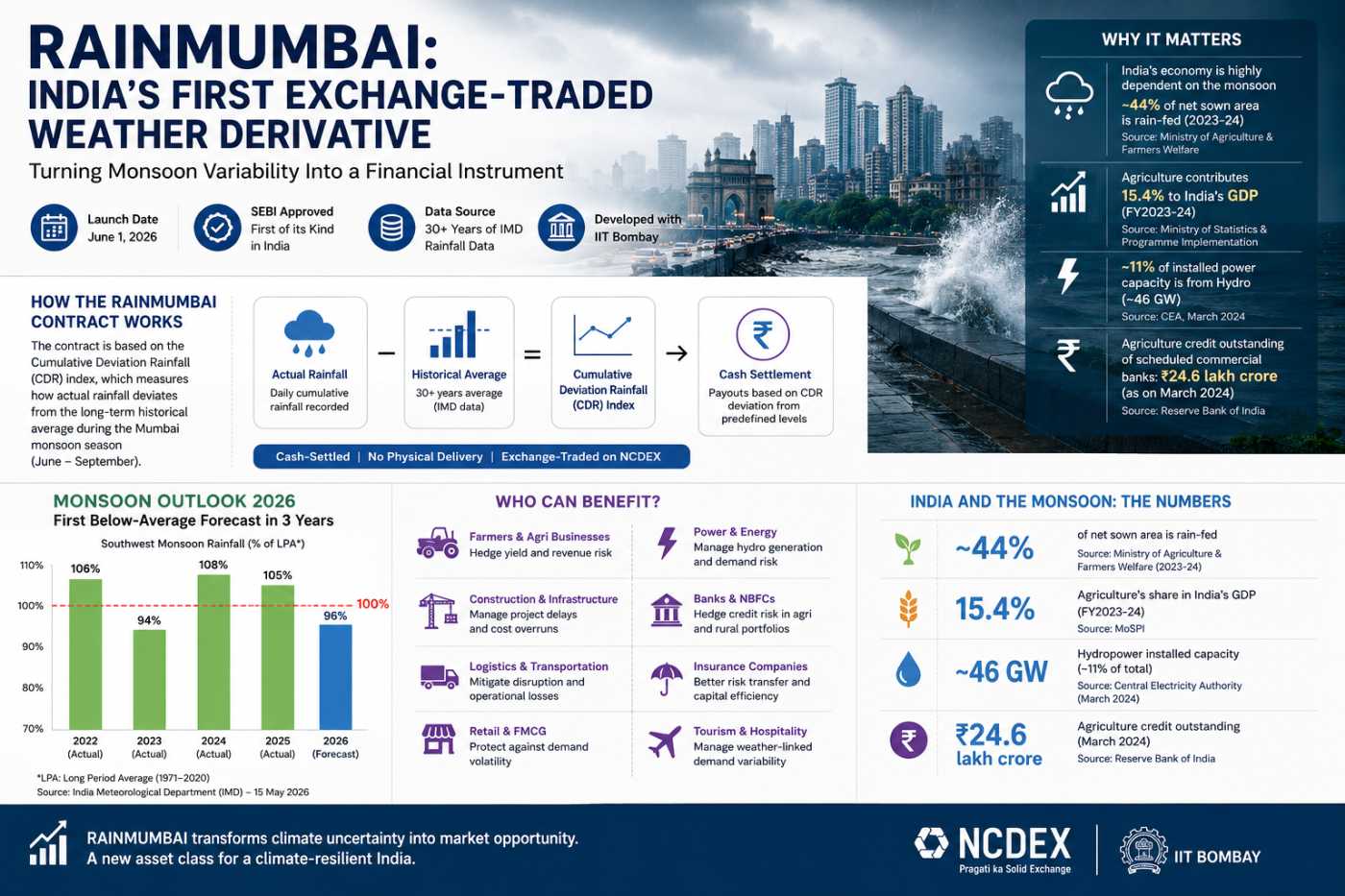
RAINMUMBAI Turns Rain Into a Financial Asset

India’s IT Sector Faces a Historic Breaking Point

How Independent Directors Failed Rs 2,500 Crore in Value