
More about Cochin Shipyard Limited
Fundamentals for Cochin Shipyard Limited
Regulatory Filings for Cochin Shipyard Limited

Apollo FY26: When Healthcare Becomes a Flywheel
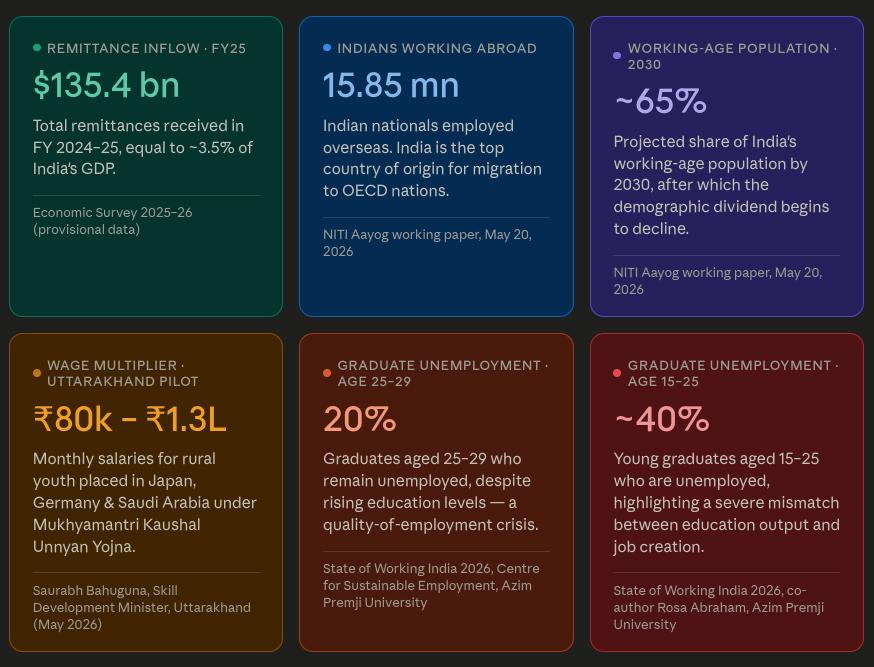
NITI Blueprint Could Turn Brain Drain Into $135Bn Engine
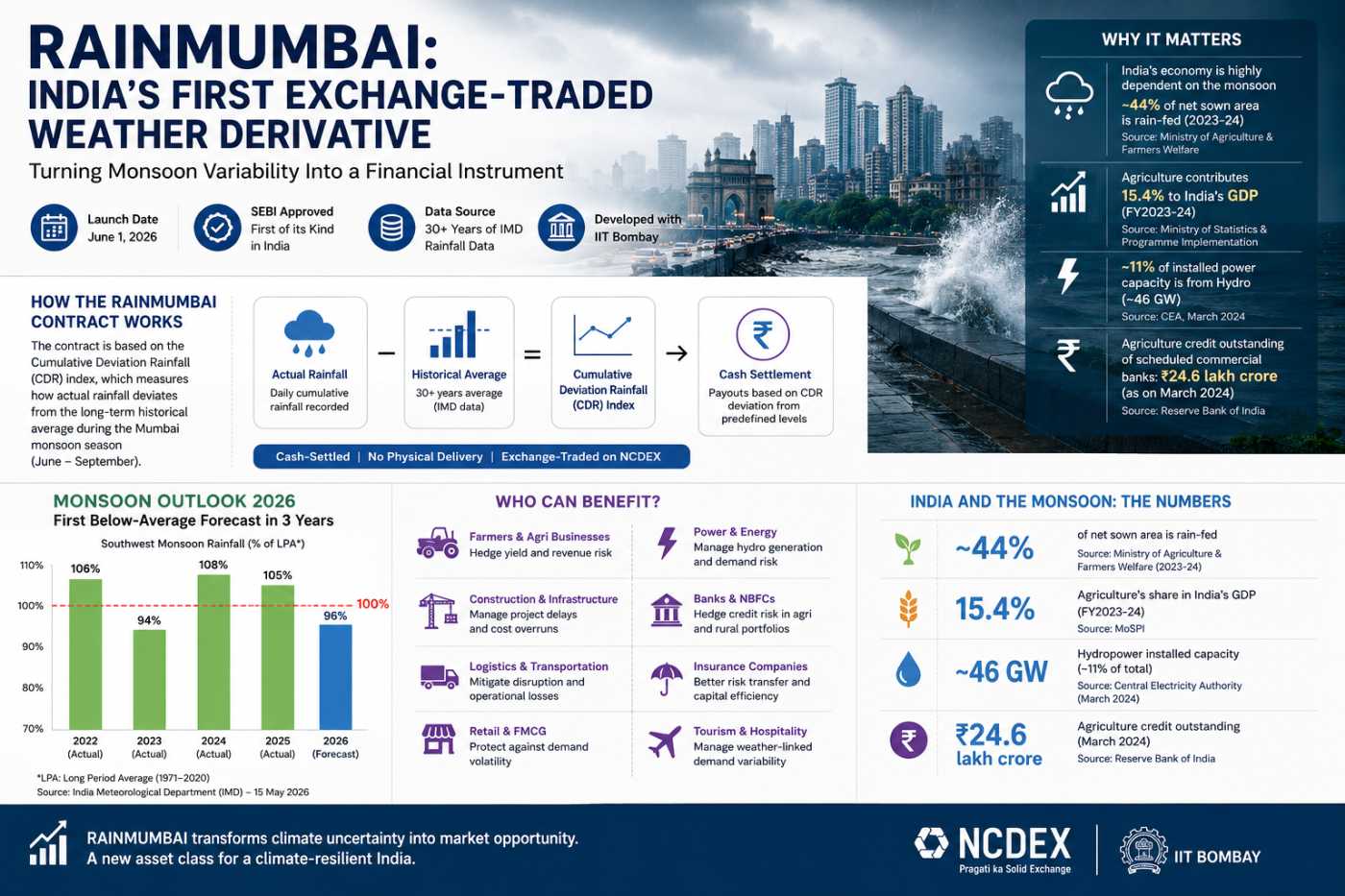
RAINMUMBAI Turns Rain Into a Financial Asset

India’s IT Sector Faces a Historic Breaking Point
Fundamentals for Cochin Shipyard Limited



|fundrankingplaceholder|
|techrankingplaceholder|
Business Operations:
Sector: IndustrialsIndustry: Aerospace & Defense
Cochin Shipyard Limited engages in the shipbuilding and repair of ships/offshore structures in India. It offers a range of shipbuilding services, which include aircraft carriers, missile vessels, anti-submarine warfare shallow water crafts, technology demonstration vessels, floating border outpost vessels, patrol vessels, hydrographic survey vessels, offshore patrol vessels, and pollution control vessels for defense; oil tankers, bulk carriers, dredgers, pax vessels, tugs, special purpose vessels, deck cargo/jacket launch barges, electric autonomous vessels and passenger ferries, ro-ro and ro-pax vessels, fishing vessels, marine ambulances, and operation vessels commissioning service for commercial; and platform supply vessels, anchor handling/tug supply vessels, and multi-purpose vessels for offshore. The company also offers ship repair services comprising maintenance and repair of aircraft carrier and other defense vessels; tankers, bulk carriers, and range of commercial and specialized vessels; and oil rig upgradation, repair projects, and conversion services. In addition, it provides marine engineering training services. The company was founded in 1969 and is based in Ernakulam, India.
Revenue projections:
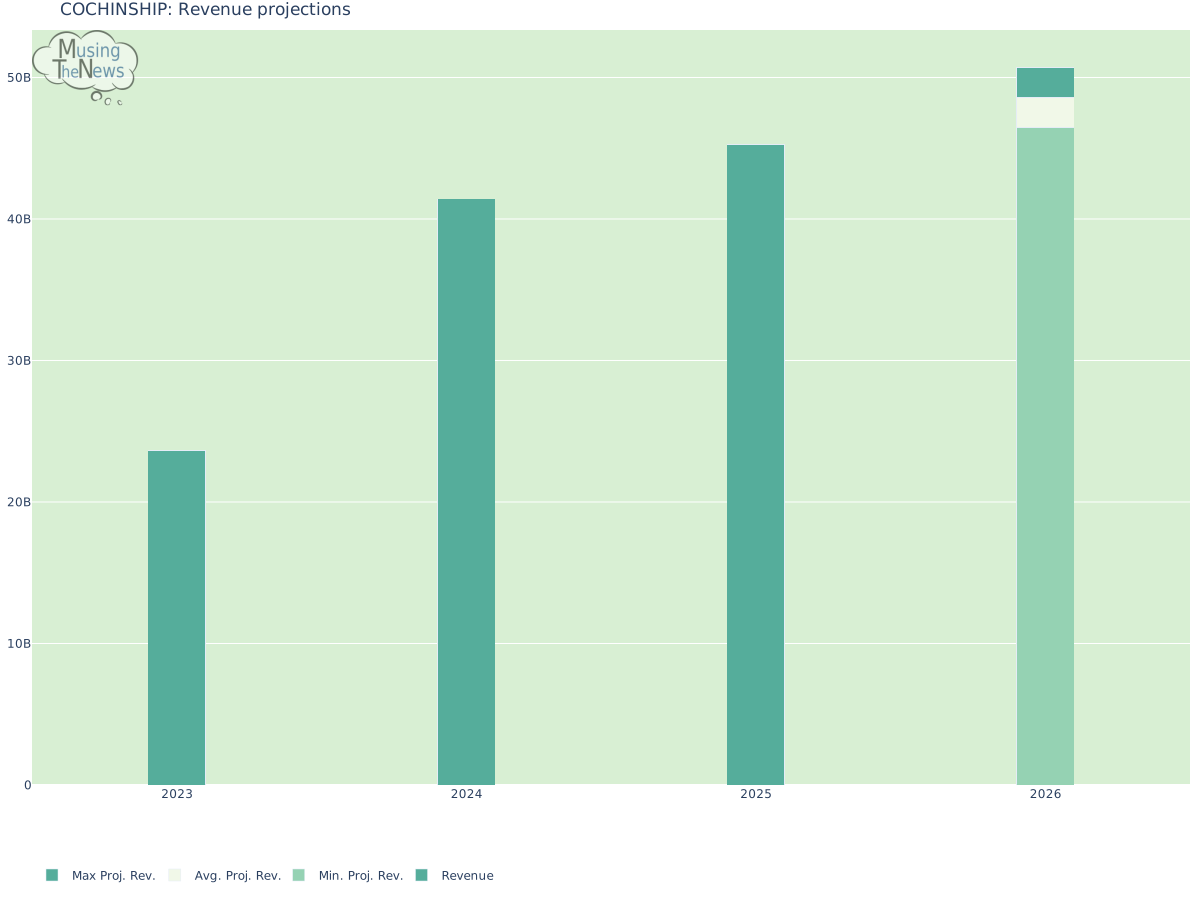
With COCHINSHIP's revenue expected to be lower than the previous year, investors may become cautious. Declining revenues often negatively impact the bottom line, reducing profitability and raising concerns among investors about the company's ability to maintain strong financial performance moving forward.
Financial Ratios:
| currentRatio | 1.331000 |
|---|---|
| forwardPE | 36.331398 |
| debtToEquity | 28.466000 |
| earningsGrowth | -0.038000 |
| revenueGrowth | -0.156000 |
| grossMargins | 0.349590 |
| operatingMargins | 0.187140 |
| trailingEps | 27.220000 |
| forwardEps | 42.007740 |
COCHINSHIP's current ratio 1.331, suggesting the company has sufficient liquidity to service its short-term debt. With its cash reserves and current assets in good shape, COCHINSHIP can comfortably meet its immediate liabilities, reflecting a healthy financial standing.
Cochin Shipyard Limited's low Debt-to-Equity ratio reflects that the company isn't heavily reliant on debt, reducing financial risk. This conservative approach suggests Cochin Shipyard Limited maintains a stable financial foundation, with greater flexibility to manage future growth or challenges without over-leverage concerns.
COCHINSHIP's low earnings and revenue growth suggest that the company may see declining profits. This indicates potential financial challenges ahead, and could lead to a more cautious outlook from investors.
Cochin Shipyard Limited's negative gross and operating margins suggest that the company is struggling to cover its production and operating costs, leading to losses. This reflects a weakened financial state and potential difficulties in sustaining profitability.
COCHINSHIP's forward EPS surpassing its trailing EPS signals projected growth in profitability, with the company expected to perform better this year. This forecast suggests that COCHINSHIP's earnings will improve compared to the previous financial year, highlighting optimism in its financial outlook.
Price projections:
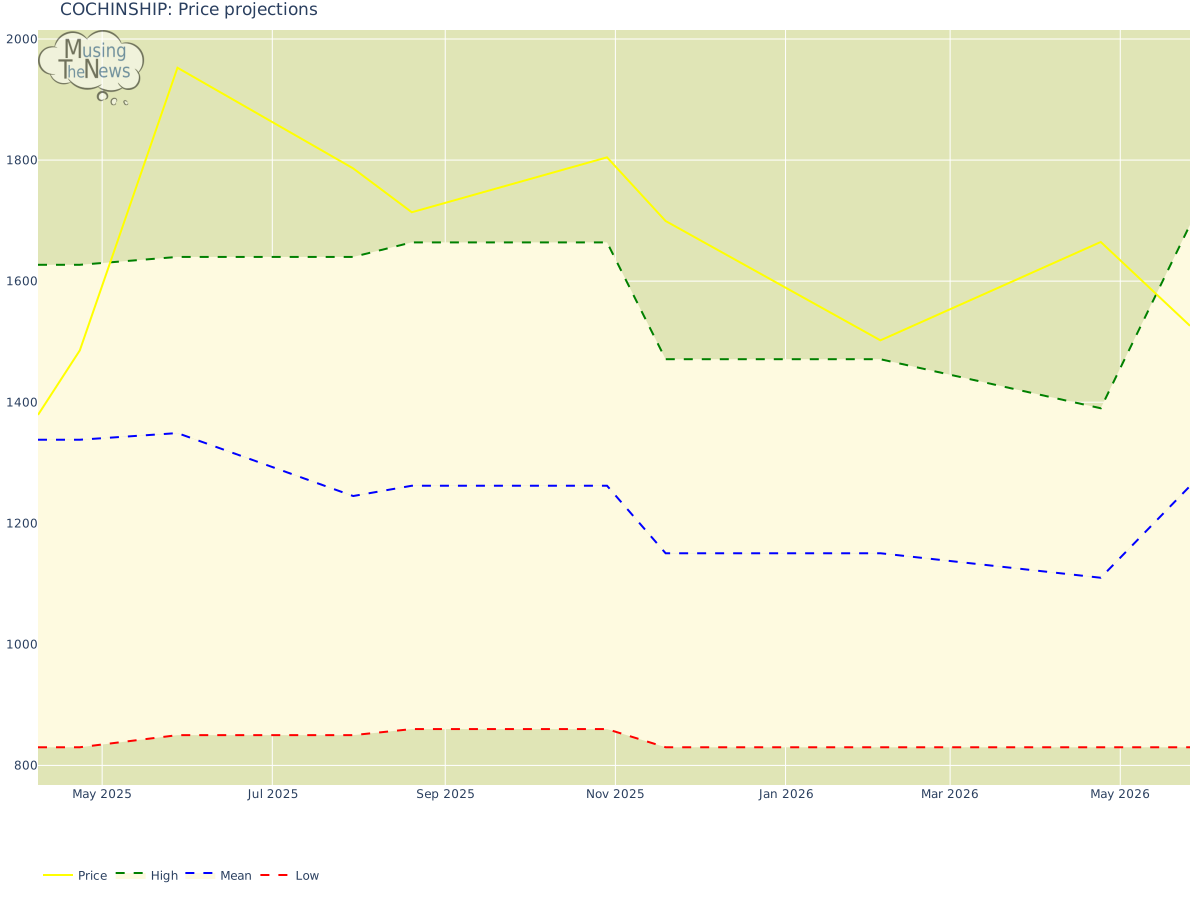
COCHINSHIP's price has consistently been situated near the lower end of expected values. This ongoing trend may reflect investor skepticism about the company's growth potential and overall performance.
Recommendation changes over time:
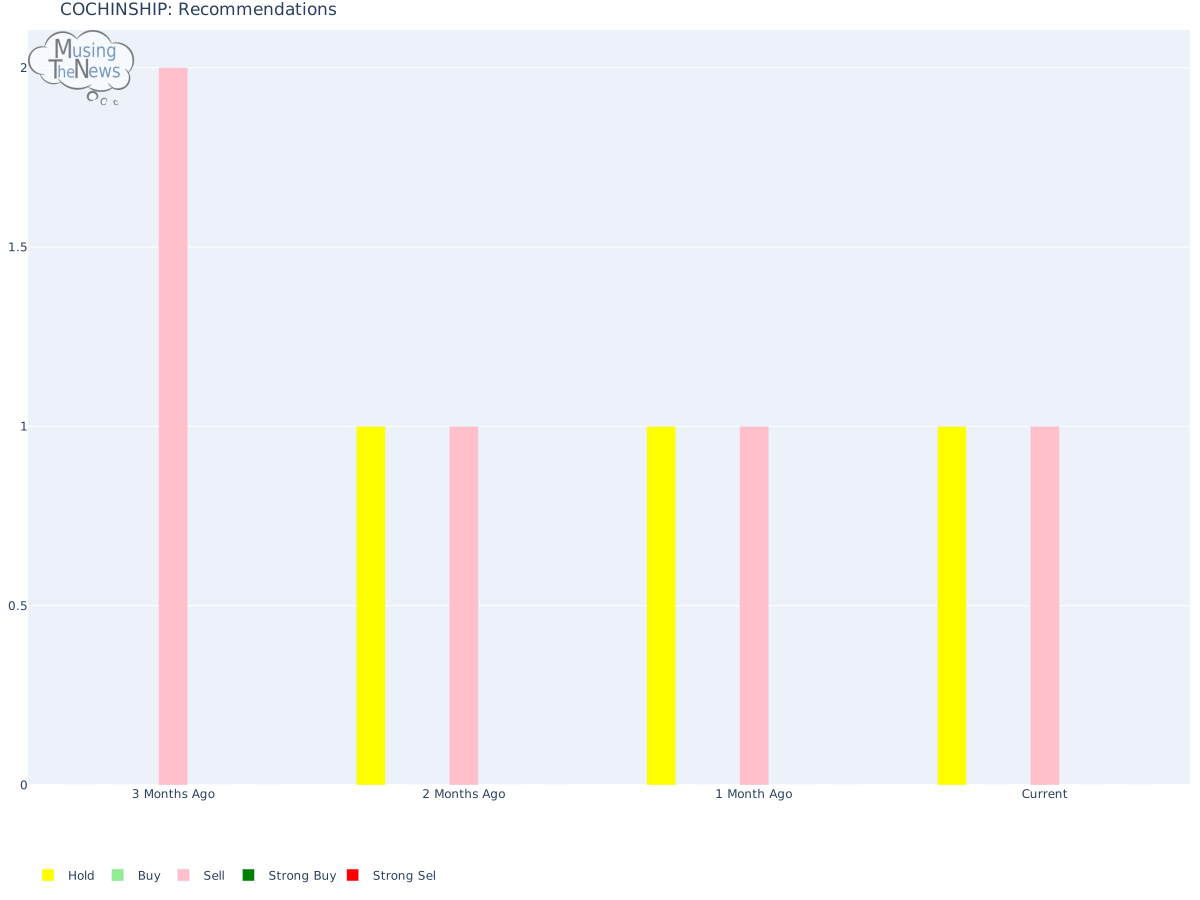
The recent sell bias from analysts toward Cochin Shipyard Limited suggests investors should exercise caution. Instead of acting on this bias alone, it's important to evaluate a broader range of market indicators to make more balanced and informed decisions regarding the stock's future prospects.
If you have enjoyed reading, spread the word:
Good prospects:
Companies with the best and the worst fundamentals.
Latest Regulatory Filings for NSE500
Companies with the best and the worst technicals.

How Independent Directors Failed Rs 2,500 Crore in Value

India’s Stock Market May Be Sitting on a Trap

Beyond Sugar: India's Bio-Economy Bets Big on Biofuel