
More about Can Fin Homes Limited
Fundamentals for Can Fin Homes Limited
Regulatory Filings for Can Fin Homes Limited

Why Oman Is Now India's Most Strategic Trade Partner

Infrastructure Bet Fuels Cement Surge

Apollo FY26: When Healthcare Becomes a Flywheel
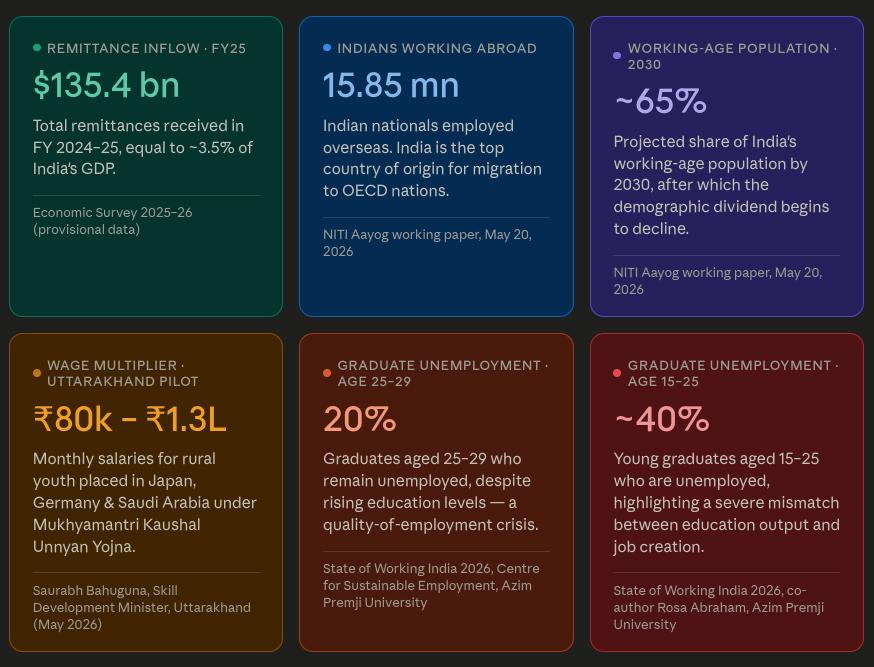
NITI Blueprint Could Turn Brain Drain Into $135Bn Engine
Fundamentals for Can Fin Homes Limited



Business Operations:
Sector: Financial ServicesIndustry: Mortgage Finance
Can Fin Homes Limited provides housing finance services primarily to individuals, builders, corporates, and others in India. The company's products portfolio comprises housing loans, such as individual housing loans, affordable housing loans, credit link subsidy scheme and Pradhan Mantri Awas Yojana (PMAY), composite loans, and top-up loans; and non-housing loans, including mortgage loans, site loans, loans for commercial properties, loans against rent receivables, personal loans, loans for children education, and loans for pensioners, as well as fixed and cumulative deposits. Can Fin Homes Limited operates various branches, housing loan centers, and satellite offices. The company was incorporated in 1987 and is headquartered in Bengaluru, India.
Revenue projections:

Can Fin Homes Limited's revenues are expected to fall below last year's, and this forecast tends to raise concerns among investors. A revenue drop can negatively impact the company's profitability, making investors more cautious about their positions due to the risks of declining financial performance.
Financial Ratios:
| currentRatio | 139.580000 |
|---|---|
| forwardPE | 8.707617 |
| debtToEquity | 637.090000 |
| earningsGrowth | 0.478000 |
| revenueGrowth | 0.243000 |
| grossMargins | 0.993680 |
| operatingMargins | 0.804190 |
| trailingEps | 81.530000 |
| forwardEps | 95.238460 |
CANFINHOME's current ratio of 139.58 shows that the company has ample resources to service its short-term debt. This indicates a solid financial position, as CANFINHOME can rely on its cash reserves and current assets to cover its immediate liabilities without strain.
CANFINHOME's high debt-to-equity ratio suggests a heavily leveraged capital structure. The company relies on debt to fund operations, which could heighten financial risks, particularly if economic conditions deteriorate or profitability declines.
Positive earnings and revenue growth for CANFINHOME suggest that the company is positioned for business expansion. The company's strong financial performance indicates sustained growth, as increasing sales and profits fuel its future success.
CANFINHOME's positive gross and operating margins reflect strong profitability and operational efficiency. These metrics indicate the company's ability to control costs while maintaining healthy revenue, contributing to its solid financial performance.
With a forward EPS greater than its trailing EPS, Can Fin Homes Limited is forecasted to be more profitable this year than last. This growth expectation reflects confidence in the company's earnings potential and suggests an improving financial trajectory for the year ahead.
Price projections:

CANFINHOME's present price relative to projections does not indicate any obvious risks or opportunities. This balanced situation suggests a period of stability, where investors may find it prudent to maintain their current strategies until more information becomes available.
Recommendation changes over time:

CANFINHOME has been receiving a buy bias from analysts, signaling strong confidence in the stock's future performance. This positive outlook might drive investors to view CANFINHOME as an attractive option for their portfolios, positioning the company as a stable and profitable investment choice.
If you have enjoyed reading, spread the word:
Good prospects:
Companies with the best and the worst fundamentals.
Latest Regulatory Filings for NSE500
Companies with the best and the worst technicals.
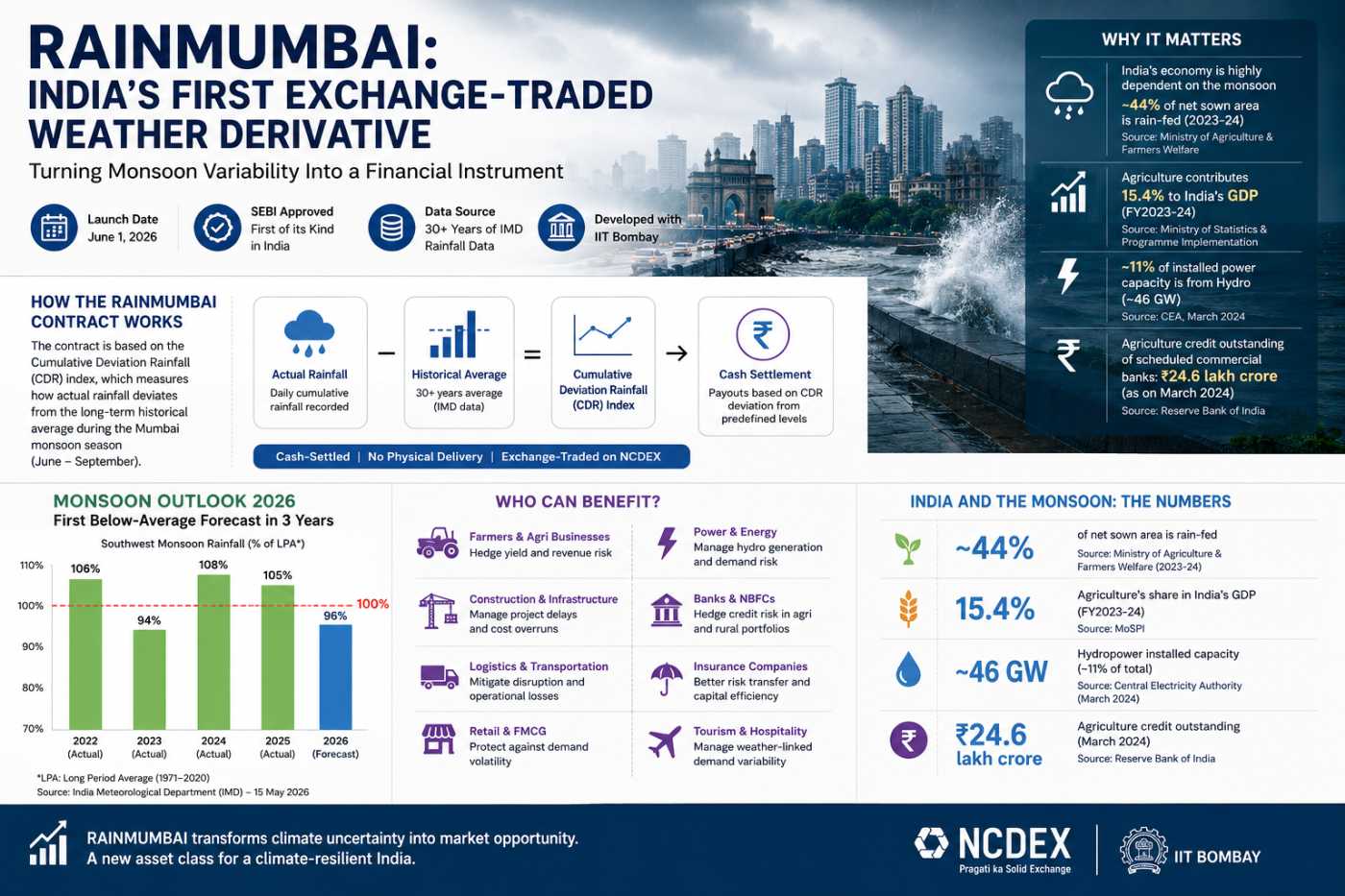
RAINMUMBAI Turns Rain Into a Financial Asset

India’s IT Sector Faces a Historic Breaking Point

How Independent Directors Failed Rs 2,500 Crore in Value