
More about Balrampur Chini Mills Limited
Fundamentals for Balrampur Chini Mills Limited
Regulatory Filings for Balrampur Chini Mills Limited

Why Oman Is Now India's Most Strategic Trade Partner

Infrastructure Bet Fuels Cement Surge

Apollo FY26: When Healthcare Becomes a Flywheel

NITI Blueprint Could Turn Brain Drain Into $135Bn Engine
Fundamentals for Balrampur Chini Mills Limited



Business Operations:
Sector: Consumer DefensiveIndustry: Confectioners
Balrampur Chini Mills Limited engages in the manufacture and sale of sugar in India. It operates through Sugar, Distillery, Polylactic Acid, and Others segments. The company offers molasses, industrial alcohol, ethanol, extra neutral alcohol, CO2, dry ice, and bagasse products. It also provides agricultural fertilizers, such as granulated potash and bio-pesticides. In addition, the company is involved in the generation and sale of electricity with a saleable capacity of 175.7 megawatts. It also exports its sugar products. Balrampur Chini Mills Limited was incorporated in 1975 and is headquartered in Kolkata, India.
Revenue projections:

BALRAMCHIN's projected revenue decline from last year is likely to make investors cautious. Lower revenues often hurt a company's bottom line, leading investors to be concerned about the company's ability to maintain profitability and deliver strong financial results in the future.
Financial Ratios:
| currentRatio | 1.126000 |
|---|---|
| forwardPE | 15.145141 |
| debtToEquity | 76.606000 |
| earningsGrowth | -0.307000 |
| revenueGrowth | 0.067000 |
| grossMargins | 0.264970 |
| operatingMargins | 0.149680 |
| trailingEps | 18.600000 |
| forwardEps | 35.483330 |
With a current ratio of 1.126, BALRAMCHIN has the liquidity needed to easily service its short-term debt. The company's cash reserves and current assets are sufficient, indicating that BALRAMCHIN is in a strong position to meet its immediate financial obligations without difficulty.
Balrampur Chini Mills Limited's Forward PE ratio suggests the stock price is reasonable in relation to earnings. It's not overpriced, providing room for future growth, making the stock a potentially valuable investment for those seeking long-term gains.
BALRAMCHIN's low growth in earnings and revenue points to a likely reduction in profits. This signals a weakening financial performance, indicating the company might face difficulties in staying profitable.
Balrampur Chini Mills Limited's negative gross and operating margins suggest that the company is struggling to cover its production and operating costs, leading to losses. This reflects a weakened financial state and potential difficulties in sustaining profitability.
BALRAMCHIN's forward EPS surpassing its trailing EPS signals projected growth in profitability, with the company expected to perform better this year. This forecast suggests that BALRAMCHIN's earnings will improve compared to the previous financial year, highlighting optimism in its financial outlook.
Price projections:

BALRAMCHIN's current price shows alignment with projections, offering no clear risks or opportunities. This neutral stance indicates a stable market environment, where investors may prefer to maintain their positions until more compelling information surfaces.
Recommendation changes over time:

BALRAMCHIN has received a favorable buy bias from analysts recently, positioning it as a solid investment opportunity. This sentiment may attract more investors, who view BALRAMCHIN as a stable option to park their money and potentially benefit from the company's continued growth and profitability.
If you have enjoyed reading, spread the word:
Good prospects:
Companies with the best and the worst fundamentals.
Latest Regulatory Filings for NSE500
Companies with the best and the worst technicals.
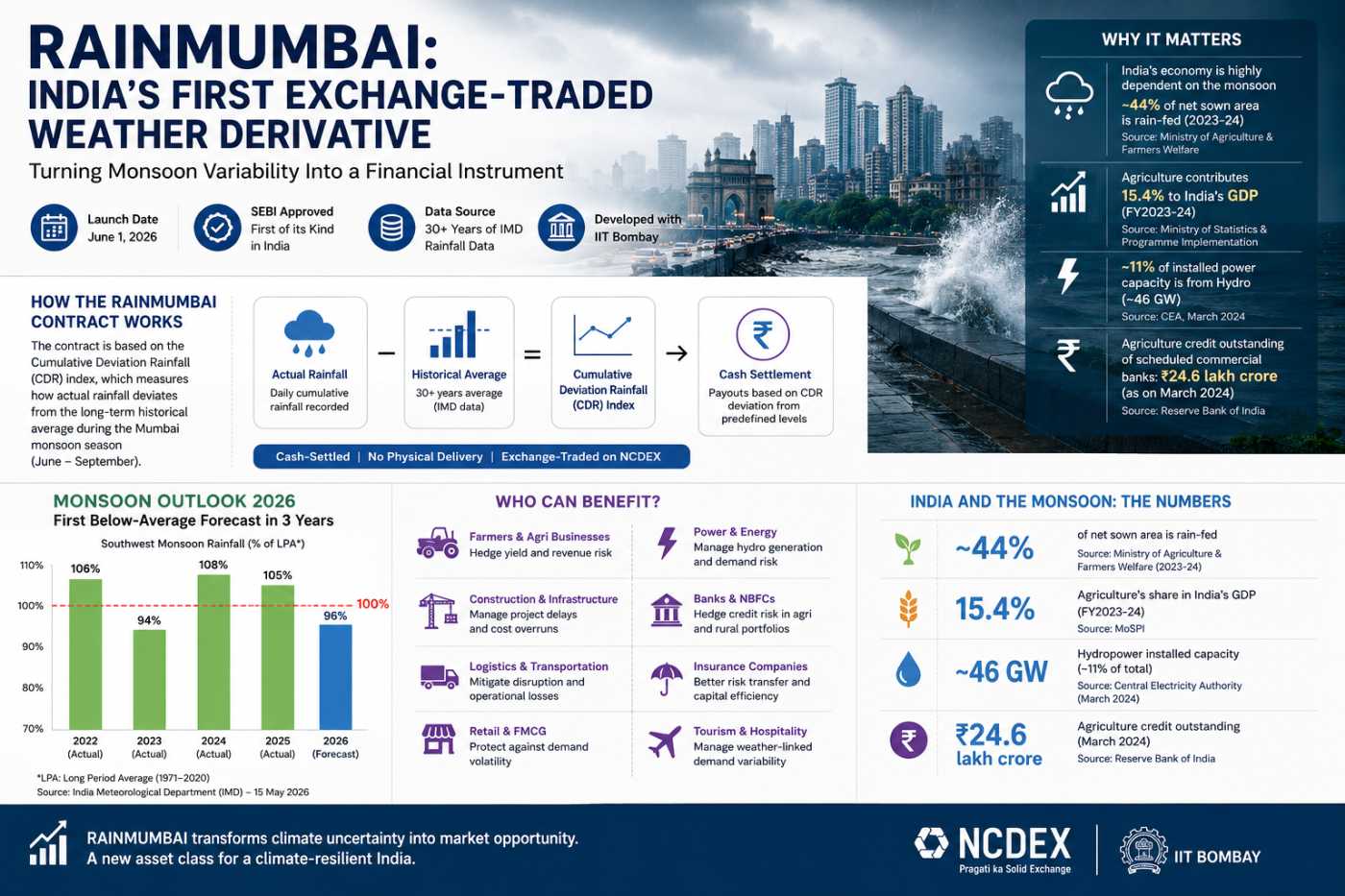
RAINMUMBAI Turns Rain Into a Financial Asset

India’s IT Sector Faces a Historic Breaking Point

How Independent Directors Failed Rs 2,500 Crore in Value