
More about Ashok Leyland Limited
Fundamentals for Ashok Leyland Limited
Regulatory Filings for Ashok Leyland Limited

Why Oman Is Now India's Most Strategic Trade Partner

Infrastructure Bet Fuels Cement Surge

Apollo FY26: When Healthcare Becomes a Flywheel
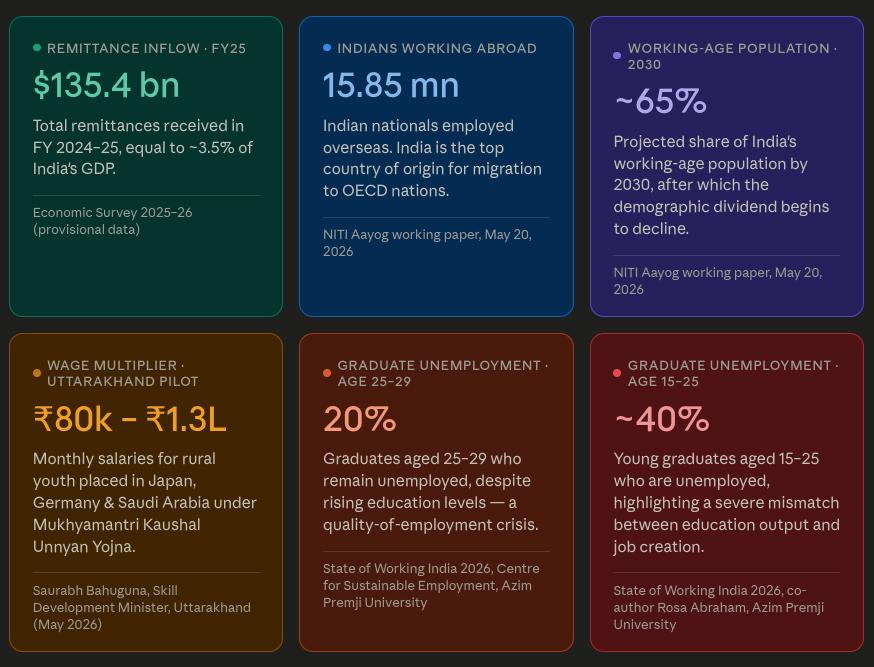
NITI Blueprint Could Turn Brain Drain Into $135Bn Engine
Technicals for Ashok Leyland Limited



Price Summary
On 2026-06-03, Ashok Leyland Limited's stock opened at 147.19, reached 147.8, hit a low of 142.2, and rose -0.92% to close at 145.84, with 50120510 shares traded.Over the course of 52 weeks, the stock peaked at 252.95 and hit a low of 115.42.
Technicals
Aroon: The Aroon indicator shows a continuation of the bearish trend, with Aroon Down holding steady at the 100 level. This ongoing downward pressure requires further exploration with additional indicators to understand its broader implications.

Bol. Bands: The current reading of the BOLL BANDS is neutral for ASHOKLEY, with no clear signals for an upward or downward trend. This indicates that the market may be in a state of uncertainty, with no dominant force driving the direction.

Parabolic SAR: The PSAR remains in a bearish mode, establishing a resistance level that could hinder any attempts at upward movement for ASHOKLEY. This resistance reinforces the bearish sentiment, indicating that the market may continue to face challenges in pushing higher.

Stochastic: The Stochastic K-line for ASHOKLEY is now below the D-line and under 20, reflecting a mildly bearish signal. This suggests that the market could see some downside pressure, but the bearish sentiment is not yet dominant. Traders should be aware of this and monitor the situation closely.

Tripple Moving Agerage: A bullish trend is indicated by the alignment of the 20-50-100 period moving averages for ASHOKLEY, but this strength is tempered by the slopes of the faster averages, which hint at a possible reversal. The overall trend remains positive, yet the weakening signals from the shorter-term averages suggest that a change in direction may be imminent.

Before focusing on a company's technical data, such as stock price movements, it's essential to analyze its fundamentals. These include factors like profitability, cash flow, and debt management. Additionally, considering the broader industry landscape—including market trends, competition, and regulatory changes—offers deeper insights. This comprehensive approach allows for a more meaningful interpretation of the company's technical indicators, providing a clearer picture of its financial health and future prospects.
If you have enjoyed reading, spread the word:
Good prospects:
Companies with the best and the worst fundamentals.
Latest Regulatory Filings for NSE500
Companies with the best and the worst technicals.
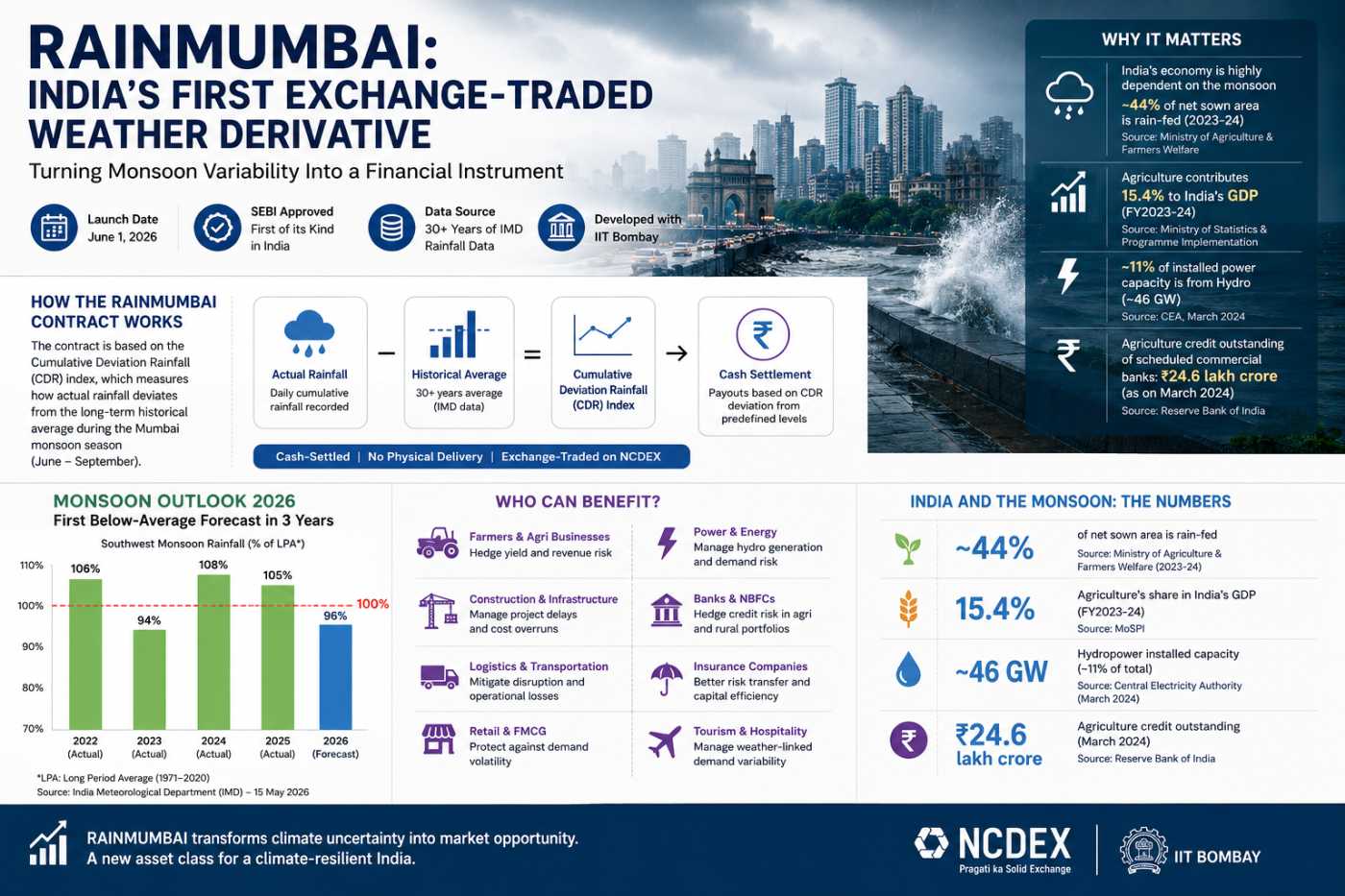
RAINMUMBAI Turns Rain Into a Financial Asset

India’s IT Sector Faces a Historic Breaking Point

How Independent Directors Failed Rs 2,500 Crore in Value