More about Ashok Leyland Limited
Fundamentals for Ashok Leyland Limited
Regulatory Filings for Ashok Leyland Limited

Why Oman Is Now India's Most Strategic Trade Partner

Infrastructure Bet Fuels Cement Surge

Apollo FY26: When Healthcare Becomes a Flywheel
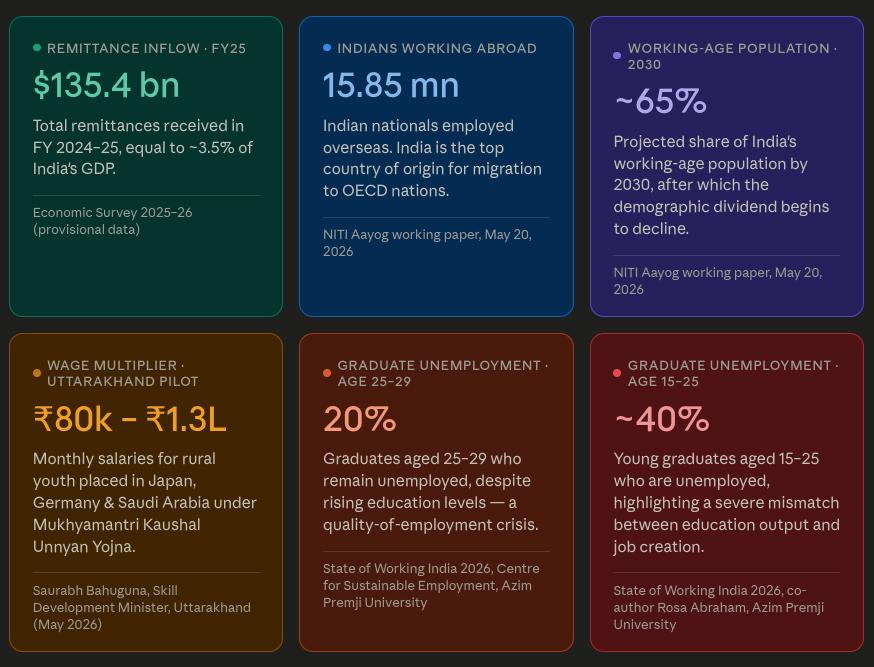
NITI Blueprint Could Turn Brain Drain Into $135Bn Engine
Fundamentals for Ashok Leyland Limited



Business Operations:
Sector: IndustrialsIndustry: Farm & Heavy Construction Machinery
Ashok Leyland Limited, together with its subsidiaries, manufactures and sells commercial vehicles in India and internationally. The company offers buses; haulage and ICV trucks, as well as tractors and tippers; light commercial vehicles goods carriers and passenger, as well as small commercial vehicles goods carriers; and defense vehicles comprising logistics, high mobility, armored, and specialist vehicles. It also provides power solutions, such as diesel generators, agriculture engines, industrial engines, and marine engines; spare parts; and vehicle and housing financing services. In addition, the company trades in commercial vehicles; and offers manpower supply, air chartering, and IT services, as well as manufactures forgings and castings. Further, it operates retail stores; and LeyKart, an e-commerce store for spare parts. The company was incorporated in 1948 and is headquartered in Chennai, India.
Revenue projections:

Revenues for ASHOKLEY are forecasted to decline from last year's levels, prompting caution among investors. When revenues fall, it can have a significant negative impact on the company's bottom line, reducing profitability and making the stock less attractive to risk-averse investors.
Financial Ratios:
| currentRatio | 1.321000 |
|---|---|
| forwardPE | 18.163538 |
| debtToEquity | 344.737000 |
| earningsGrowth | 0.245000 |
| revenueGrowth | 0.174000 |
| grossMargins | 0.399310 |
| operatingMargins | 0.173610 |
| trailingEps | 5.920000 |
| forwardEps | 8.206000 |
ASHOKLEY's current ratio, being 1.321, demonstrates that the company has the liquidity necessary to service its short-term debt. With strong cash reserves and current assets, ASHOKLEY is well-equipped to meet its immediate financial obligations without any difficulties.
Ashok Leyland Limited's Forward PE is well-positioned, indicating the stock price is favorable compared to its earnings. This suggests the stock is not overpriced and offers room for growth, making it an attractive option for investors looking for future value appreciation.
Ashok Leyland Limited's elevated debt-to-equity ratio reflects substantial leverage, meaning the company relies heavily on borrowed funds. This could increase financial risk, particularly in times of economic uncertainty or if the company's profitability declines.
ASHOKLEY's positive earnings and revenue growth suggest that the company is expected to expand its business. This reflects a healthy financial outlook, as ASHOKLEY's increasing profits and sales signal further growth in the near future.
ASHOKLEY's forward EPS surpassing its trailing EPS signals projected growth in profitability, with the company expected to perform better this year. This forecast suggests that ASHOKLEY's earnings will improve compared to the previous financial year, highlighting optimism in its financial outlook.
Price projections:

ASHOKLEY's price projections have gradually decreased, indicating a more conservative outlook from analysts. The repeated downward revisions suggest waning confidence in the company's ability to achieve its previous targets.
Recommendation changes over time:

ASHOKLEY has recently received a buy bias from analysts, indicating that the stock is being perceived as a favorable investment. This positive sentiment could encourage investors to see ASHOKLEY as a wise place to allocate their funds, potentially leading to increased interest in the company's stock.
If you have enjoyed reading, spread the word:
Good prospects:
Companies with the best and the worst fundamentals.
Latest Regulatory Filings for NSE500
Companies with the best and the worst technicals.
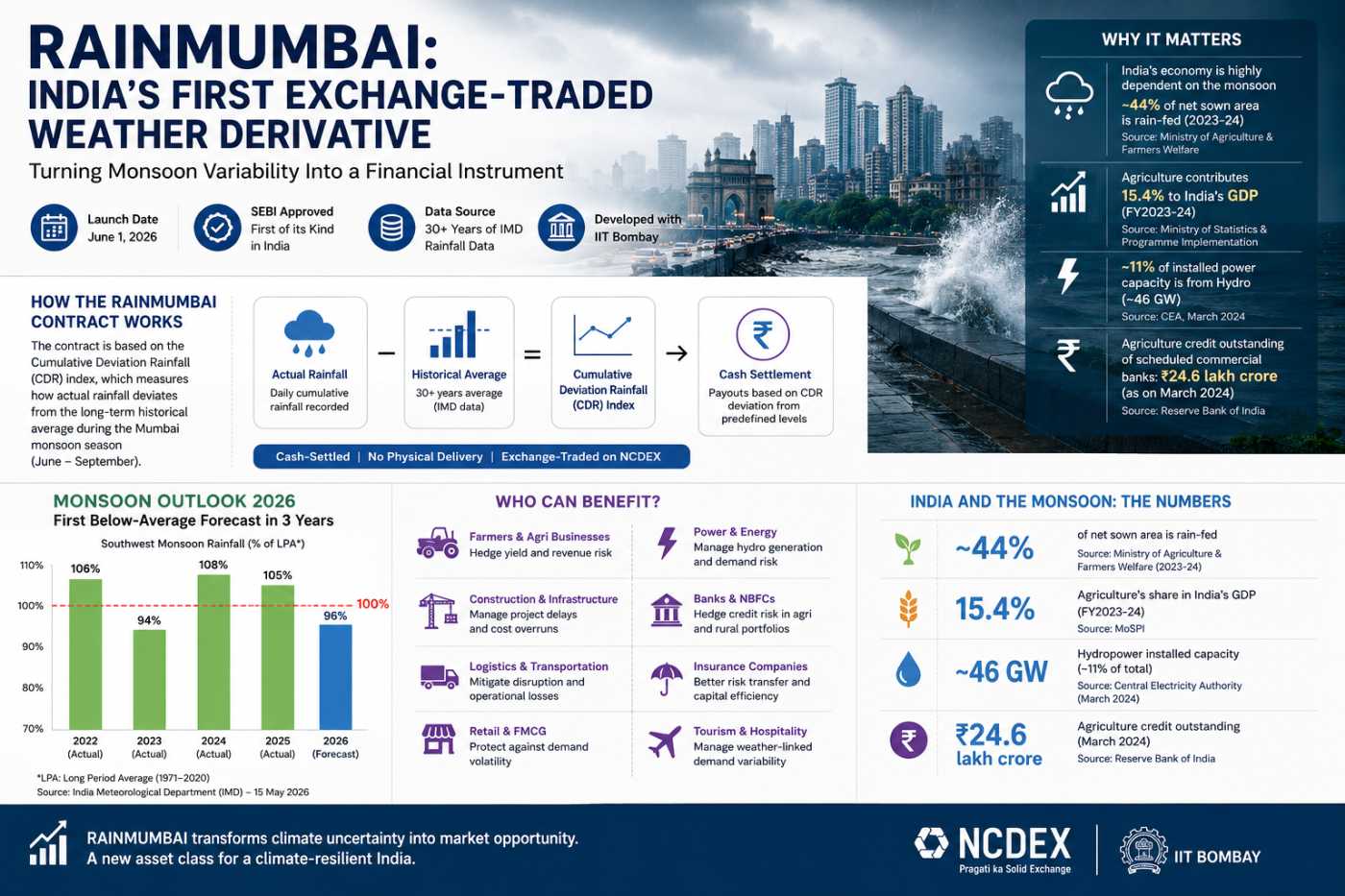
RAINMUMBAI Turns Rain Into a Financial Asset

India’s IT Sector Faces a Historic Breaking Point

How Independent Directors Failed Rs 2,500 Crore in Value