
More about Anand Rathi Wealth Limited
Fundamentals for Anand Rathi Wealth Limited
Regulatory Filings for Anand Rathi Wealth Limited

Why Oman Is Now India's Most Strategic Trade Partner

Infrastructure Bet Fuels Cement Surge

Apollo FY26: When Healthcare Becomes a Flywheel
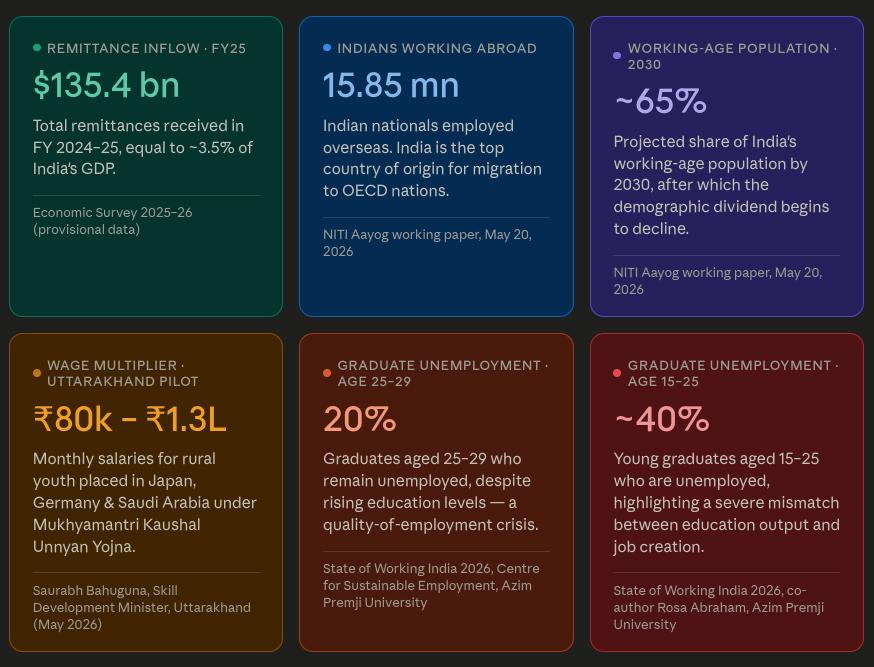
NITI Blueprint Could Turn Brain Drain Into $135Bn Engine
Technicals for Anand Rathi Wealth Limited



Price Summary
2026-06-03, saw ANANDRATHI's stock open at 1779.8, hit a peak of 1821.3, fall to a low of 1721.0, and close up 0.3% at 1785.2, with 686760 shares changing hands.For the 52-week period, the stock's highest price is 3689.8, and the lowest price is 1785.2.
Technicals
Aroon: Aroon's bearish trend persists, with Aroon Down staying at the 100 level. This consistent bearish momentum suggests further declines, but a more detailed analysis using other indicators is necessary to confirm the trend's future direction.

Bol. Bands: The current price remains below the lower Bollinger Band, where it has stayed since the previous move. This sustained stay below the band indicates that the market may be experiencing strong downward pressure, possibly oversold. The ongoing bearish momentum suggests that the trend could continue unless a reversal occurs, making this a critical point for market participants to monitor closely.

Parabolic SAR: The PSAR for ANANDRATHI continues to signal a bearish stance, reinforcing a resistance level that could restrict upward movement. This resistance suggests that the market may remain under bearish pressure, with limited potential for breaking higher.

Stochastic: The STOCHASTIC is in a neutral stance for ANANDRATHI, not indicating a clear upward or downward trend. This suggests a period of market indecision, where neither bulls nor bears have the upper hand.

Tripple Moving Agerage: The current state of the Tripple MOVING AVG is neutral, providing no clear signals for either an upward or downward movement. This indicates that the market may be in a state of equilibrium, with no strong momentum in either direction.

When assessing a company's technical performance, such as stock price fluctuations and trading volume, it is crucial to first examine its fundamentals. These fundamentals include financial health, profitability, and growth potential. Additionally, understanding the industry's dynamics, including competitive pressures and market trends, is key to contextualizing the company's performance. By integrating these factors, a more comprehensive and meaningful analysis can be conducted, leading to more informed investment decisions.
If you have enjoyed reading, spread the word:
Good prospects:
Companies with the best and the worst fundamentals.
Latest Regulatory Filings for NSE500
Companies with the best and the worst technicals.
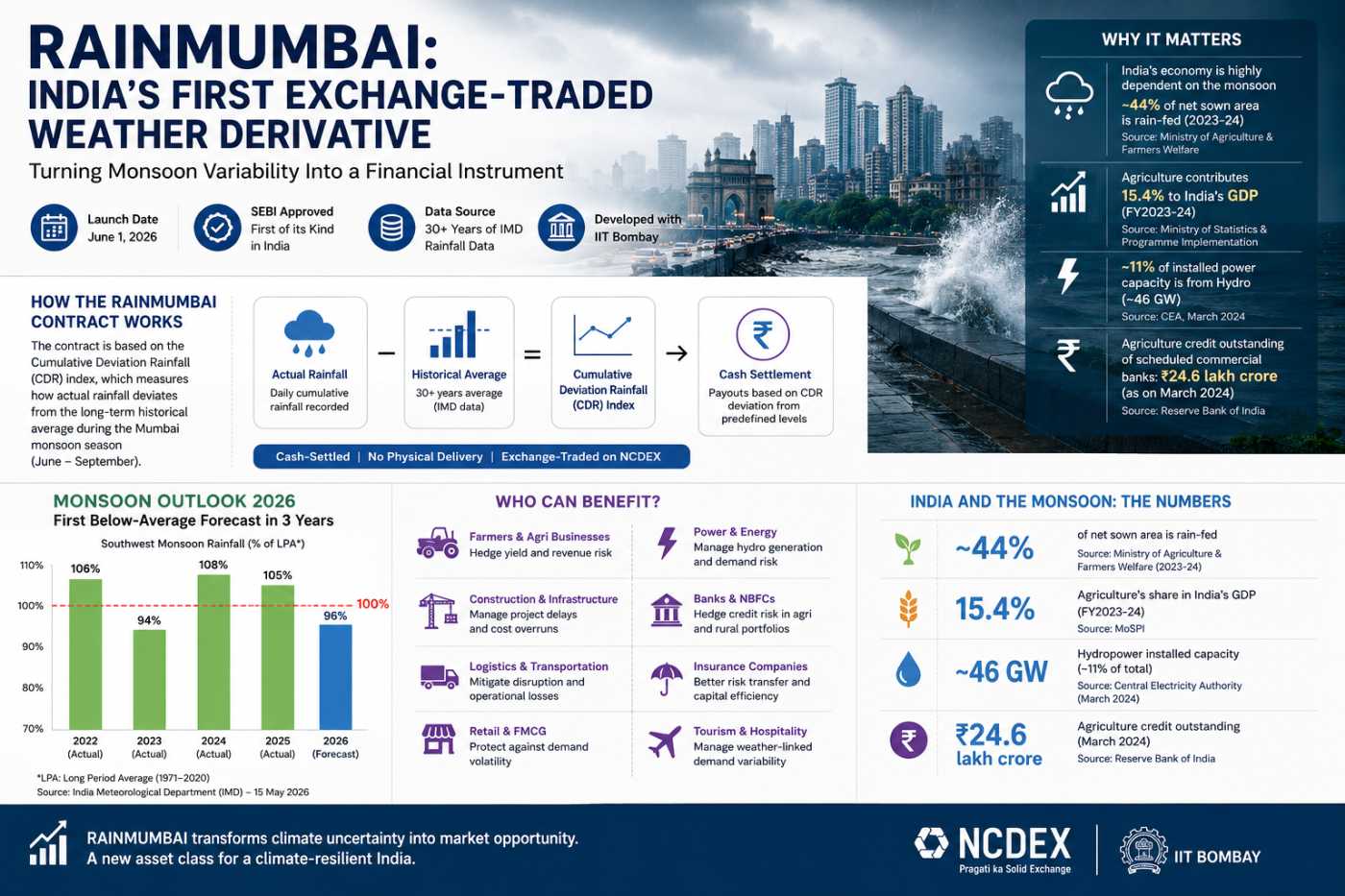
RAINMUMBAI Turns Rain Into a Financial Asset

India’s IT Sector Faces a Historic Breaking Point

How Independent Directors Failed Rs 2,500 Crore in Value