
More about Aarti Industries Limited
Fundamentals for Aarti Industries Limited
Regulatory Filings for Aarti Industries Limited

Why Oman Is Now India's Most Strategic Trade Partner

Infrastructure Bet Fuels Cement Surge

Apollo FY26: When Healthcare Becomes a Flywheel

NITI Blueprint Could Turn Brain Drain Into $135Bn Engine
Fundamentals for Aarti Industries Limited



Business Operations:
Sector: Basic MaterialsIndustry: Specialty Chemicals
Aarti Industries Limited engages in the manufacture and sale of specialty chemicals in India. It offers di chloro benzene, nitro chloro and nitro benzene, nitro toluenes, sulphur, and other organic and inorganic products that are used in various processes, such as chlorination, nitration, hydrogenation, ammonolysis, halex, dinitro chlorination, alkylation, hydrolysis, methoxylation, esterification, diazotization, sulphonation, condensation, n-alkylation, and oxidation. The company also provides end use products, including dyes, basic pharma, pigments, agro chemicals, polymers, fertilizers, UV absorbers, plasticizers, specialty chemicals, flavour fragrance and food beverage products, and refinery and oil field chemicals, as well as intermediates for the manufacture of pharmaceuticals, agri-products, polymers, additives, pigments, and dyes. In addition, it offers other specialty chemical products, such as single super phosphate, export grade calcium chloride granules, fuel additives, and phthalates; and sulphuric acid products. The company also exports its products. Aarti Industries Limited was incorporated in 1984 and is headquartered in Mumbai, India.
Revenue projections:

The projected decline in Aarti Industries Limited's revenues compared to last year is expected to make investors cautious. A drop in revenue often has a direct negative effect on the company's bottom line, signaling potential challenges that could undermine investor confidence and reduce overall profitability.
Financial Ratios:
| currentRatio | 0.831000 |
|---|---|
| forwardPE | 23.258001 |
| debtToEquity | 83.392000 |
| earningsGrowth | 0.434000 |
| revenueGrowth | 0.132000 |
| grossMargins | 0.354450 |
| operatingMargins | 0.098370 |
| trailingEps | 11.540000 |
| forwardEps | 20.197350 |
AARTIIND's Forward PE ratio suggests that the stock is priced appropriately in relation to its earnings. Not being overpriced, it offers room for growth, signaling potential upside for investors looking for a stock with reasonable valuation and growth potential.
Aarti Industries Limited's high debt-to-equity ratio reveals that the company is heavily reliant on debt for financing. This high level of leverage increases the risk of financial strain if profits decline or interest rates rise.
Positive earnings and revenue growth for AARTIIND suggest that the company is expected to grow its business. This trend reflects strong financial performance, with continued profitability and sales increases indicating a bright outlook for future expansion.
AARTIIND's forward EPS surpasses its trailing EPS, indicating that the company is expected to be more profitable in the current financial year. This reflects growing confidence in AARTIIND's earnings potential, suggesting stronger financial performance compared to the previous year.
Price projections:

Throughout its recent performance, AARTIIND's price has been consistently close to the lower range of projected values. This suggests that the company may face challenges in achieving higher valuations in the eyes of investors.
Recommendation changes over time:

AARTIIND has been receiving a buy bias from analysts, signaling strong confidence in the stock's future performance. This positive outlook might drive investors to view AARTIIND as an attractive option for their portfolios, positioning the company as a stable and profitable investment choice.
If you have enjoyed reading, spread the word:
Good prospects:
Companies with the best and the worst fundamentals.
Latest Regulatory Filings for NSE500
Companies with the best and the worst technicals.
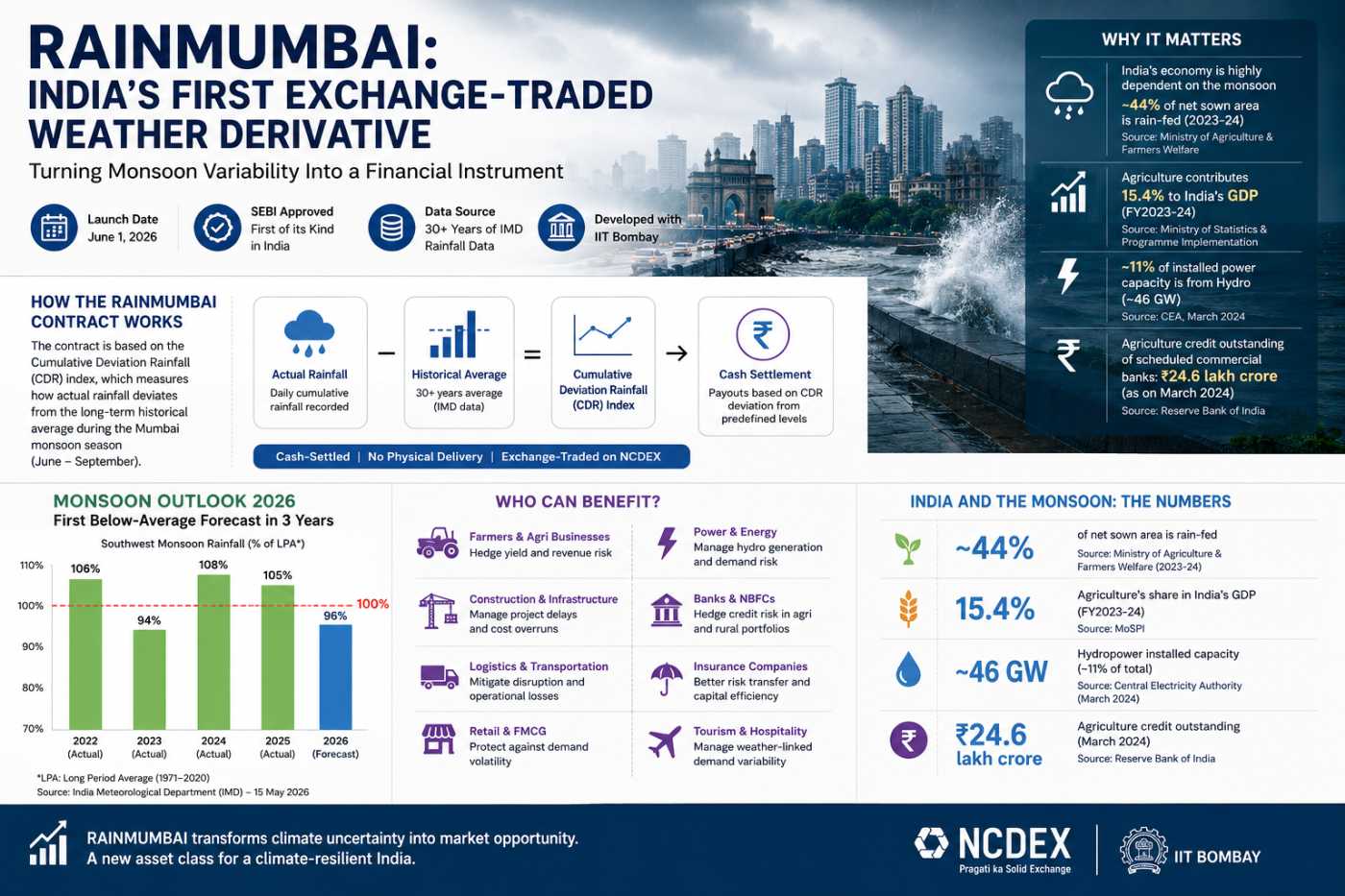
RAINMUMBAI Turns Rain Into a Financial Asset

India’s IT Sector Faces a Historic Breaking Point

How Independent Directors Failed Rs 2,500 Crore in Value